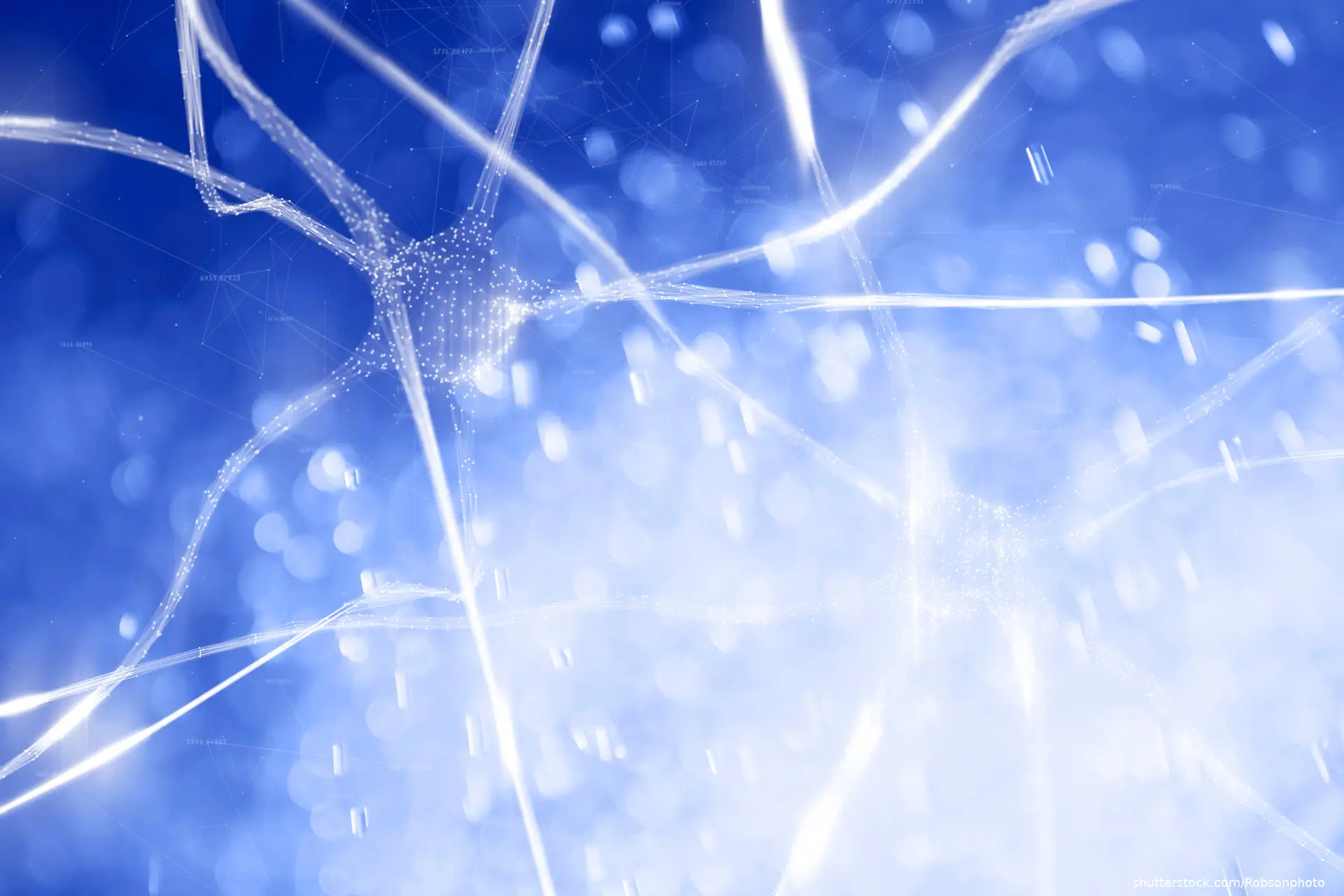
The Nobel Assembly at Karolinska Institutet has awarded the 2026 Nobel Prize in Physiology or Medicine jointly to Karl Deisseroth of the Howard Hughes Medical Institute and Stanford University, Peter Hegemann of Humboldt University of Berlin, and Georg Nagel of the University of Würzburg, according to a press release issued October 5, 2026. The prize recognizes "their discoveries concerning light-gated ion channels and optogenetics." The laureates will share 12 million Swedish kronor equally, an amount Nature reported as US$1.2 million.
Optogenetics is a method for controlling nerve signals with light. According to the Nobel Assembly, it makes it possible to show how nerve cells shape memories, feelings, and behaviors in the living brain. Nature reported that the technique gave neuroscientists a way to test cause and effect.
In the early 2000s, Hegemann and Nagel discovered channelrhodopsin, a protein on the surface of the single-celled alga Chlamydomonas reinhardtii. When illuminated with blue light, the protein opens a channel through which charged ions flow into the cell, creating an electrical impulse. The researchers found that the protein made cells light sensitive regardless of which cells they placed it in.
Deisseroth introduced the gene for channelrhodopsin into rat nerve cells and triggered a nerve signal by illuminating the cells with blue light, publishing the findings in 2005. Two years later, he made the light-controlled switch work in the brains of living mice. Rui Costa, president of the Allen Institute in Seattle, said the laureates' work "fundamentally changed how we conduct neuroscience" and "opened new therapeutic possibilities," Nature reported.
According to Nature, insights from optogenetic tools have helped researchers better understand brain function in health and in diseases including depression, schizophrenia, and Alzheimer's disease. Nature also described early efforts to apply optogenetics to treat retinitis pigmentosa, in which it has been used to partially restore vision. The Nobel Assembly said researchers are using the method in attempts to restore sight in people with visual impairment.
Sources: Nobel Assembly at Karolinska Institutet. Nobel Prize in Physiology or Medicine 2026. Press release. Nobel Assembly at Karolinska Institutet; October 5, 2026. Accessed October 5, 2026.
Naddaf M, Callaway E. Medicine Nobel awarded for brain 'switch' that controls neurons with light: live updates. Nature. Published online October 5, 2026. doi:10.1038/d41586-026-03091-2
Advertisement
Today's Joke
Cartoon Slide Show


Quiz

Medical Trivia 10/30/2026
1 questions · ≈ 1 min
to compete in the ranking.
×
Loading