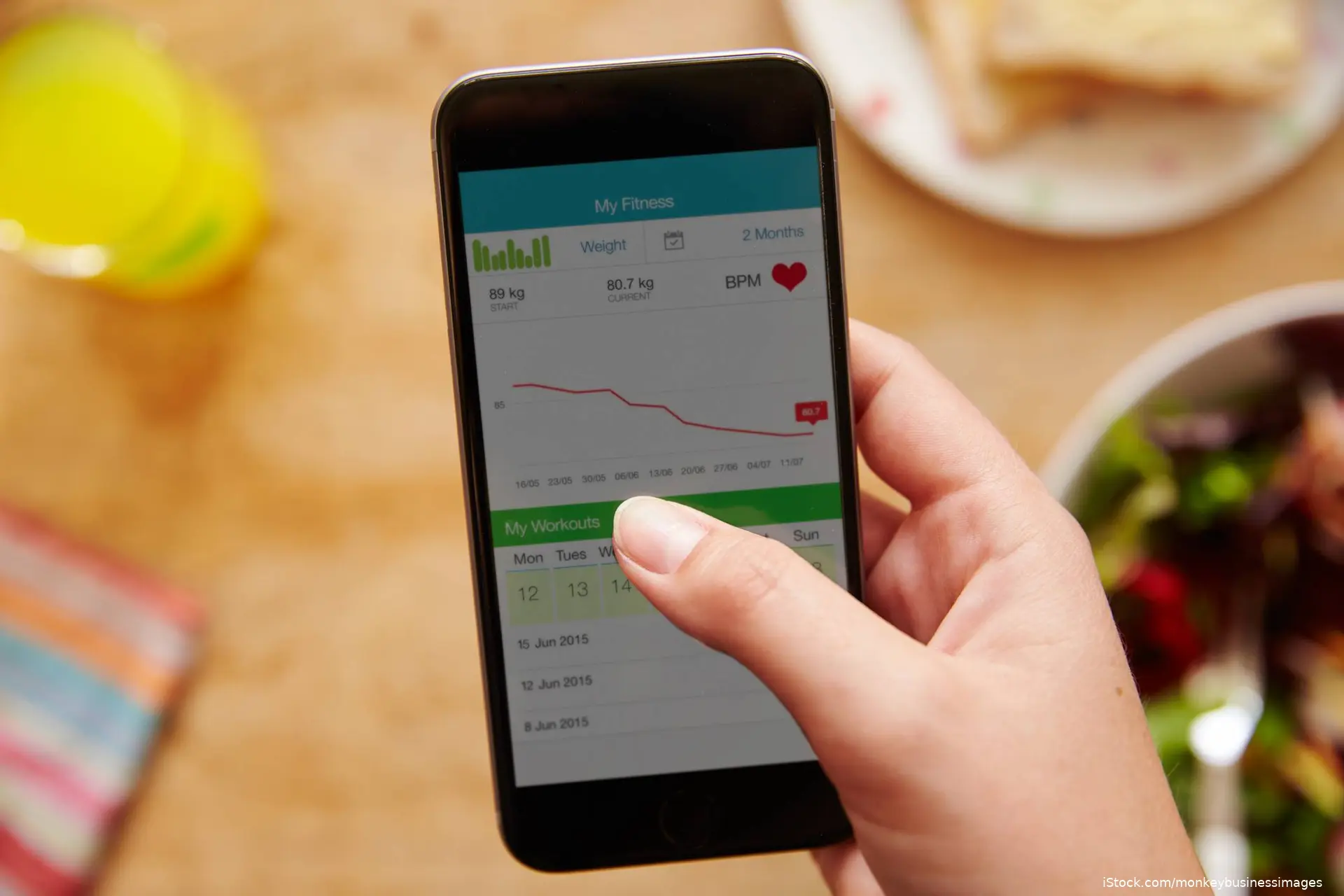
An artificial intelligence (AI)-enhanced, smartphone-based management system improved short-term low-density lipoprotein cholesterol (LDL-C) and blood pressure (BP) control compared with usual care among adults with coronary heart disease (CHD) according to a randomized clinical trial published in BMC Medicine.
The single-center, open-label trial in China randomized 1,100 adults 1:1 to the AI-enhanced Management System for Coronary Heart Disease (AIM-CHD; n=549) or usual care (n=551) for 3 months. AIM-CHD used automated multisource data capture, guideline-directed risk stratification, and smartphone-based closed-loop feedback. The primary outcome was LDL-C at 3 months, assessed in an intention-to-treat analysis.
At follow-up, mean LDL-C was 60.4±23.4 mg/dL with AIM-CHD and 63.7±26.0mg/dL with usual care, an adjusted mean difference of −3.2mg/dL (95% CI, −6.2 to −0.3; P=0.03). LDL-C target attainment below 70mg/dL was 71% versus 64% (risk ratio [RR], 1.10; 95% CI, 1.01–1.20; P=0.03). BP target attainment below 130/80mm Hg was 45% versus 35% (RR, 1.27; 95% CI, 1.09–1.48; P=0.002).
Of 1,100 randomized participants, 943 completed follow-up; mean age was 61 years, and 75.3% were male. The groups did not differ significantly in glycated hemoglobin, body mass index, or medication adherence. Event rates were low and comparable between groups (2.6% vs 2.2%); two deaths occurred, one in each group, and investigators attributed no adverse events to the intervention.
The investigators noted that the single-center, predominantly Han Chinese cohort may limit generalizability and that the open-label design may introduce performance bias. The 3-month follow-up was insufficient to assess durability or hard clinical endpoints. They called for confirmation through multicenter studies with longer follow-up.
Source: Ba Z, Yuan J, Zhao S, et al. Artificial intelligence–enhanced management system for secondary prevention of coronary heart disease: a randomized clinical trial. BMC Med. 2026;24(1):449. doi:10.1186/s12916-026-05135-w
Advertisement
Today's Joke
Cartoon Slide Show
Quiz
Medical Trivia 9/9/2026
1 questions · ≈ 1 min
to compete in the ranking.
×
Loading