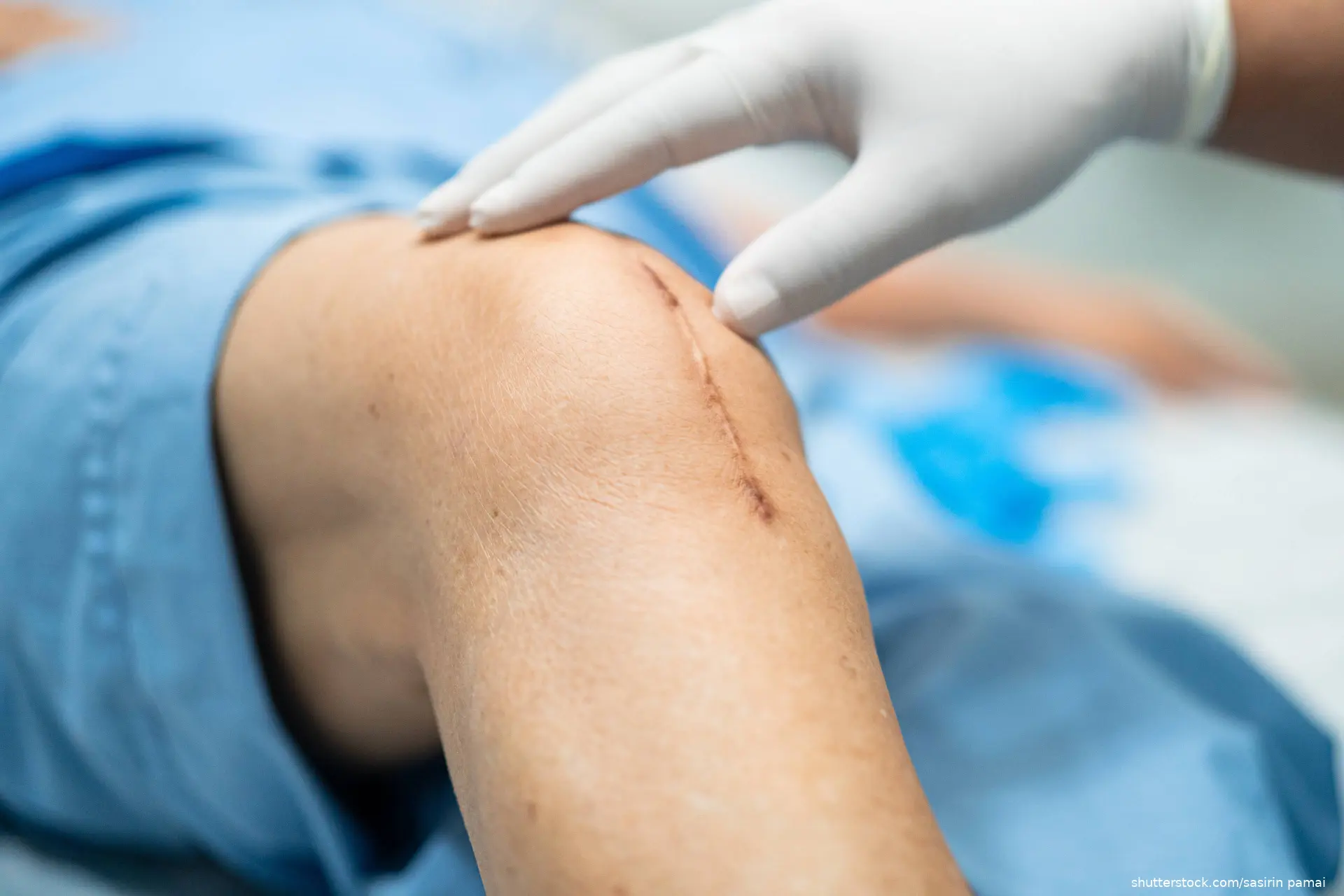
A multicenter, double-blind, randomized trial published in The New England Journal of Medicine found that aspirin alone was noninferior to rivaroxaban followed by aspirin for preventing symptomatic venous thromboembolism (VTE) after total hip or total knee arthroplasty.
The EPCAT III trial randomized 5,429 patients to receive once-daily thromboprophylaxis with either aspirin 81mg or oral rivaroxaban 10mg during the first 5 days after surgery. All patients subsequently received aspirin 81mg once daily for an additional 9 days following knee arthroplasty or for an additional 30 days following hip arthroplasty.
Patients were followed for 90 days. The primary effectiveness outcome was symptomatic VTE, defined as proximal deep-vein thrombosis or pulmonary embolism. VTE occurred in 13 of 2,718 patients assigned to aspirin alone and 12 of 2,647 assigned to rivaroxaban followed by aspirin, corresponding to rates of 0.48% and 0.45%, respectively. The risk difference was 0.02 percentage points, meeting the prespecified noninferiority criterion of 0.7 percentage points (P<.001 for noninferiority).
The primary safety outcome comprised major bleeding or clinically relevant nonmajor bleeding. These events occurred in 45 patients receiving aspirin alone and 54 receiving rivaroxaban followed by aspirin, for rates of 1.66% and 2.04%, respectively. .
The investigators concluded that beginning postoperative thromboprophylaxis with aspirin alone was not inferior to beginning with rivaroxaban and then transitioning to aspirin. They also reported no clinically relevant difference between the strategies in bleeding events.
Source: Shivakumar S, Matino D, Zukor D, et al. Rivaroxaban then aspirin vs aspirin alone after total hip or knee arthroplasty. N Engl J Med. Published online July 12, 2026. doi:10.1056/NEJMoa2603649
Advertisement
Today's Joke
Cartoon Slide Show

Quiz
Medical Trivia 9/9/2026
1 questions · ≈ 1 min
to compete in the ranking.
×
Loading