At-Home Brain-Computer Interface Improves Arm Function After Chronic Stroke
NewsAugust 20, 2026 at 14:22
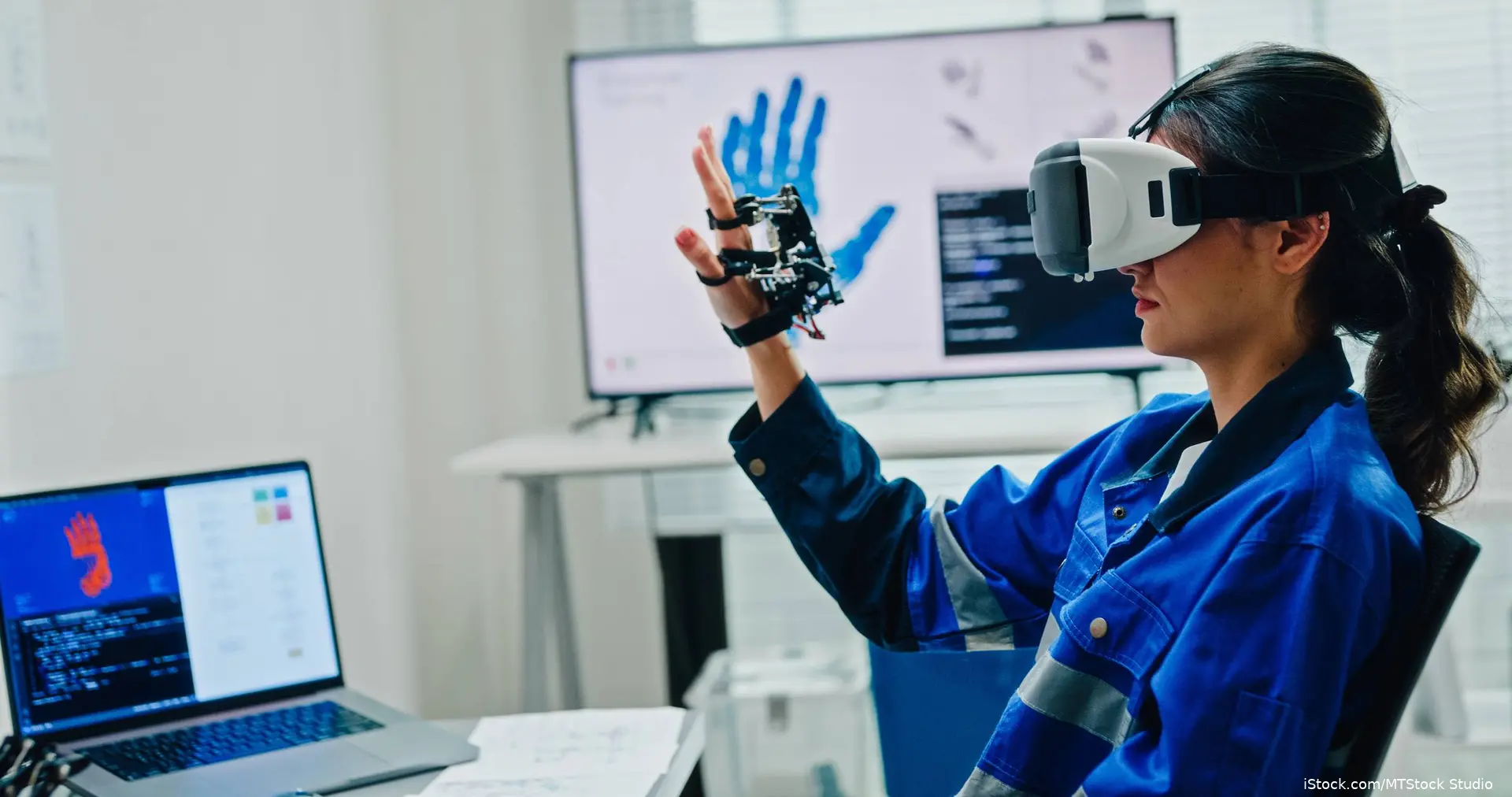
An at-home, noninvasive brain-computer interface produced greater upper-extremity motor gains than a conventional home exercise program in adults with chronic stroke in the randomized BCI-REHAB trial.
The primary analysis included 62 participants with persistent upper-extremity weakness who were at least 6 months post-stroke. The mean time since stroke was 5.4 years. Participants were assigned to IpsiHand therapy or home exercise for 1 hour a day, 5 days a week, over 12 weeks. The trial was stopped early for efficacy.
IpsiHand users improved by 6.0 points on the upper-extremity Fugl-Meyer scale. The between-group difference was 4.5 points (95% CI, 1.9-7.1; P=.0007). Clinically meaningful improvement occurred in 55.5% of IpsiHand users and 9.6% of controls, an absolute difference of 45.8 percentage points. The reported number needed to treat was 2.2.
IpsiHand pairs a noninvasive electroencephalography headset with a wearable handpiece. When the system detects the user’s intention to move the impaired hand, the handpiece assists with opening and closing it. No serious or device-related adverse events were reported.
The study authors noted that outcomes measured over 12 weeks may not capture the effects of longer-term use. According to the principal investigator, the results add evidence that meaningful motor improvement may remain possible years after stroke.
Source: Kandu, Inc. BCI study published in Stroke: Vascular and Interventional Neurology confirms IpsiHand improves motor function after stroke. News release. Kandu, Inc.; August 18, 2026. Accessed August 20, 2026.
Advertisement
Today's Joke
Cartoon Slide Show

Quiz
Medical Trivia 9/9/2026
1 questions · ≈ 1 min
to compete in the ranking.
×
Loading