Daraxonrasib Improves Survival in Previously Treated Metastatic Pancreatic Cancer
NewsJune 23, 2026 at 15:14
Updated at July 16, 2026 at 19:42
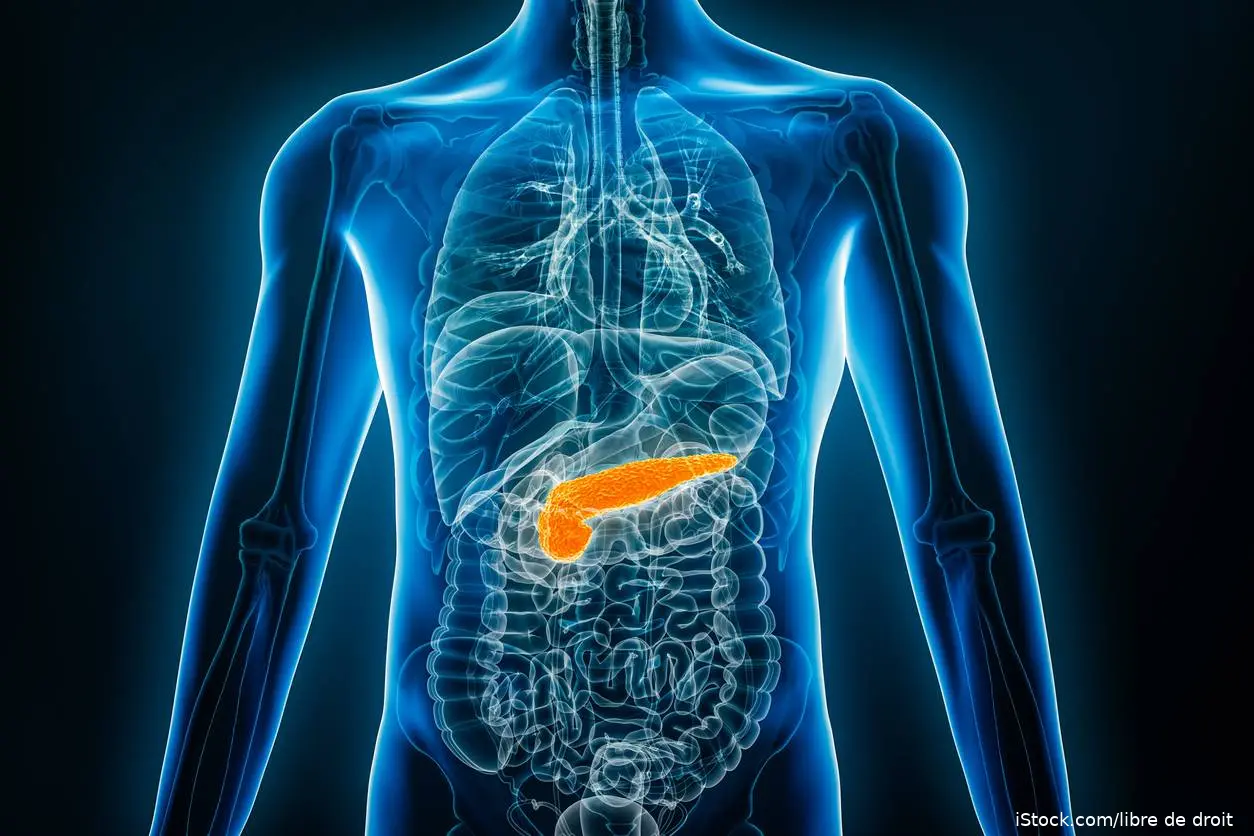
Pancreas
The New England Journal of Medicine (NEJM) reported on a Phase 3, international, open-label, trial called RASolute 302 of daraxonrasib in the treatment of pancreatic cancer. In this trial, the investigators randomly assigned patients with previously treated metastatic pancreatic ductal adenocarcinoma (mPDAC) to oral daraxonrasib once-a-day or investigator-choice chemotherapy.
The authors reported significantly longer overall survival and progression-free survival with daraxonrasib. The median overall survival in the RAS G12 population was 13.2 months with daraxonrasib and 6.6 months with chemotherapy, and the median overall survival in the overall population was 13.2 months and 6.7 months, respectively. In the RAS G12 population, median progression-free survival was 7.3 months with daraxonrasib and 3.5 months with chemotherapy and in the overall population, the corresponding medians were 7.2 and 3.6 months, respectively. Treatment-related adverse events leading to discontinuation occurred in 1.2% of patients assigned to daraxonrasib and 11.2% assigned to chemotherapy.
Aberrant activation of the RAS pathway is the key driver of PDAC, with oncogenic RAS mutations present in more than 90% of cases. Daraxonrasib is an investigational oral RAS(ON) multi-selective inhibitor developed by Revolution Medicines. The authors concluded that, among patients with previously treated mPDAC, daraxonrasib led to significantly longer overall and progression-free survival than chemotherapy.
Revolution Medicines said it intends to include the RASolute 302 data in a future New Drug Application submission to the FDA. If daraxonrasib is approved by the FDA and made commercially available, it could offer an additional treatment option because current therapies offer limited benefit for patients with previously treated RAS-driven metastatic pancreatic cancer.
Source(s): New England Journal of Medicine (May 31, 2026): https://www.nejm.org/doi/10.1056/NEJMoa2605555
Advertisement
Today's Joke
Cartoon Slide Show

Quiz
Medical Trivia 9/9/2026
1 questions · ≈ 1 min
to compete in the ranking.
×
Loading