Digital Outreach Modestly Increases Statin Refills
NewsSeptember 04, 2026 at 12:30
Updated at September 08, 2026 at 20:50

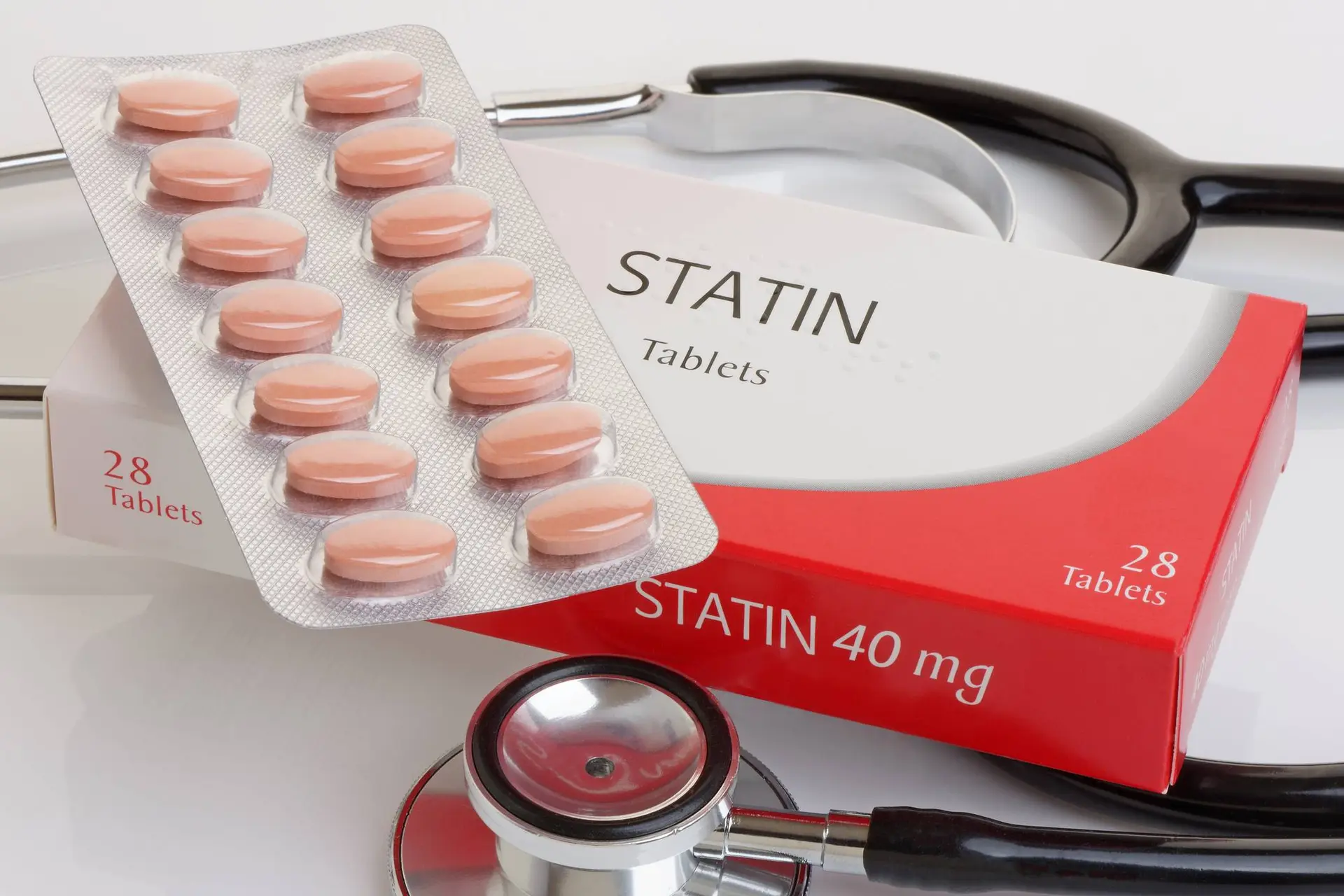
Digital outreach increased short-term statin refills among adults with established atherosclerotic cardiovascular disease (ASCVD) or at high risk for ASCVD, according to a pragmatic randomized clinical trial conducted within Kaiser Permanente Northern California.
The ADHERE-ASCVD trial enrolled 20,604 adults with a statin indication and recent nonadherence. Participants were assigned to secure portal messaging, SMS/text messaging, nonsecure email, or usual communication. Participants who did not refill a statin within 14 days after initial active digital outreach entered a prespecified second stage and were assigned to repeat the same modality, switch modalities, or receive usual communication. Those initially assigned to usual communication remained in that group.
Within 14 days, 14.4% of participants receiving digital outreach refilled a statin, compared with 12.0% receiving usual communication. The adjusted risk difference was 2.3 percentage points. Among initial nonresponders, a second digital outreach increased the 14-day refill rate to 13.0%, compared with 10.4% with usual communication.
Switching communication modalities did not outperform repeating the same channel. Through 28 days, cumulative statin refill was 24.9% with any digital outreach and 21.2% with usual communication. The overall effect was consistent across prespecified demographic and clinical subgroups.
The absolute gains were modest, and the primary endpoint measured prescription refill rather than confirmed medication ingestion. All-cause hospitalization and mortality through 28 days were exploratory outcomes, and the trial did not establish a benefit for cardiovascular outcomes. Still, the scale of the trial and its integration into routine workflows suggest that repeated digital contact could support population-level adherence programs using existing digital infrastructure and operational care pathways with minimal additional resources.
Source: Bhatt AS, et al. Digital outreach to improve statin refills in patients with low statin adherence: the ADHERE-ASCVD randomized clinical trial. JAMA. Published online August 29, 2026.

Advertisement
Today's Joke
Cartoon Slide Show
Quiz
Medical Trivia 9/9/2026
1 questions · ≈ 1 min
to compete in the ranking.
×
Loading