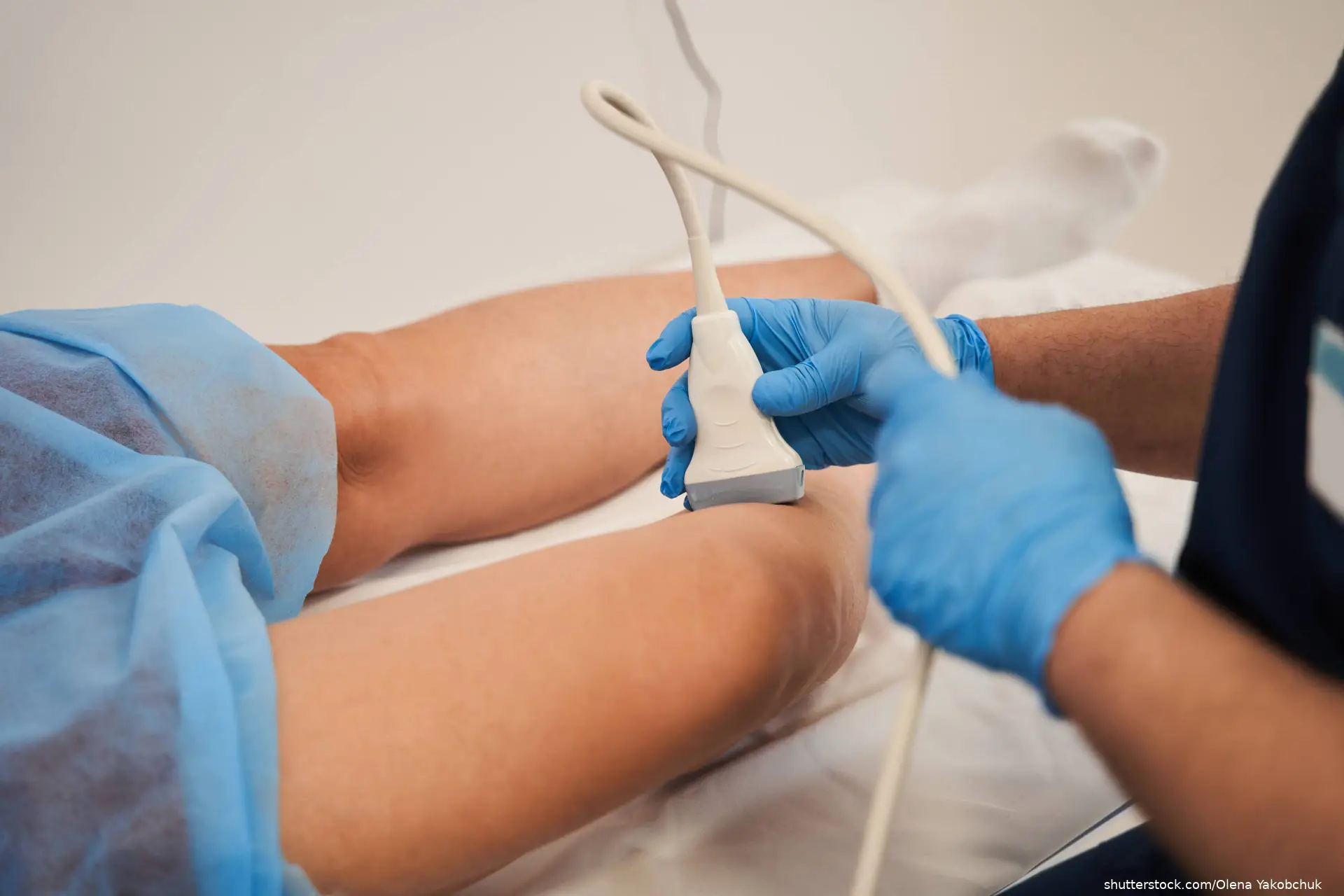
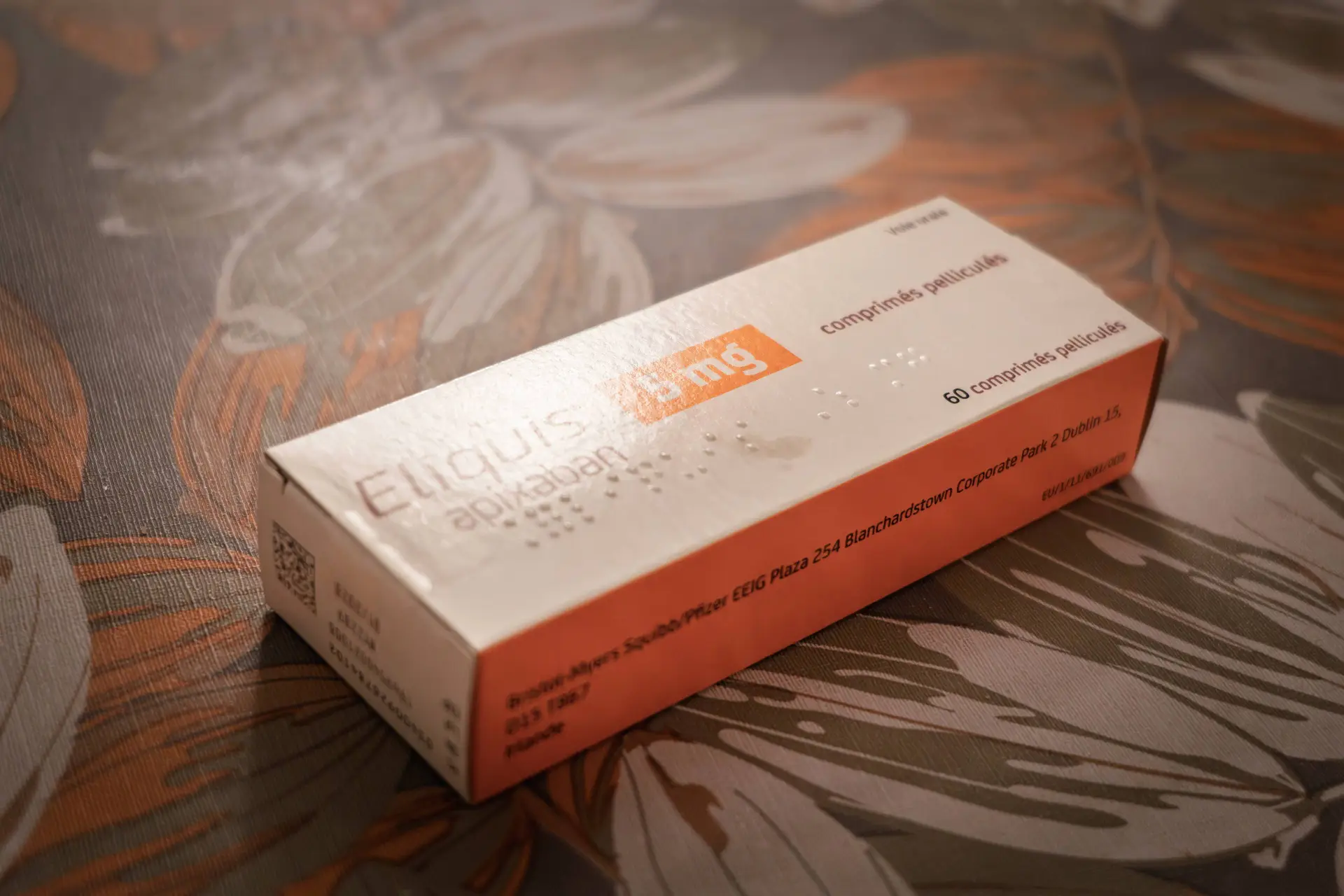
Initiation of direct oral anticoagulants (DOACs) among patients with cancer-associated venous thromboembolism (VTE) in France more than doubled from 2016–2018 to 2021–2022 but remained markedly lower than among patients without active cancer, according to a nationwide cohort study in JAMA Network Open.
The authors noted that 2021 guideline updates established DOACs as first-line treatment for cancer-associated VTE after trials showed them to be noninferior to low-molecular-weight heparin, with a possible increased bleeding risk in some cancer subtypes. Using the French National Health Data System, a claims database covering about 99% of the population, they identified adults without recorded DOAC contraindications who had a first treated VTE during 2016–2022. Of 683,184 patients, 91,954 (13.5%) had active cancer. Patients without active cancer served as a comparator to account for secular prescribing trends.
Among patients with active cancer, DOAC initiation within 30 days after VTE rose from 15.3% in 2016–2018 to 32.6% in 2021–2022. Heparin remained the most common initial treatment but fell from 78.9% to 66.7%. Among patients without active cancer, DOAC use rose from 63.5% to 81.1%. In bayesian time series models, the ratio of DOAC initiation in patients with vs without cancer exceeded the value expected from earlier trends by 20.5% in 2019–2020 and by 41.3% (95% credible interval, 32.9%-50.2%) in 2021–2022.
Compared with thoracic cancer, DOAC initiation was less likely with gastrointestinal or gynecologic cancers and more likely with breast, prostate, skin or hematologic cancers. It was also less likely among patients with active brain metastases, systemic anticancer therapy, prior bleeding or more comorbidities, and when the initial prescriber was a hospital-based physician rather than a general practitioner. The authors said these patterns may reflect concerns about bleeding risk and greater caution among physicians treating more complex patients.
Limitations included the lack of clinical data such as performance status, detailed cancer stage and renal function, and the inability to distinguish appropriate individualized treatment from incomplete uptake of evidence. Patients hospitalized more than 14 days were excluded, which may have removed the most severe cases. Because inclusion ended in 2022, the authors cautioned that the estimates should not be interpreted as current practice. They said the findings support targeted implementation strategies and decision-support tools for anticoagulant selection in these patients.
Source: Varnier R, Bettega F, Moskal A, et al. Trends in direct oral anticoagulant use for cancer-associated venous thromboembolism. JAMA Netw Open. 2026;9(10):e2640377. doi:10.1001/jamanetworkopen.2026.40377

Advertisement
Today's Joke
Cartoon Slide Show


Quiz

Medical Trivia 10/28/2026
1 questions · ≈ 1 min
to compete in the ranking.
×
Loading