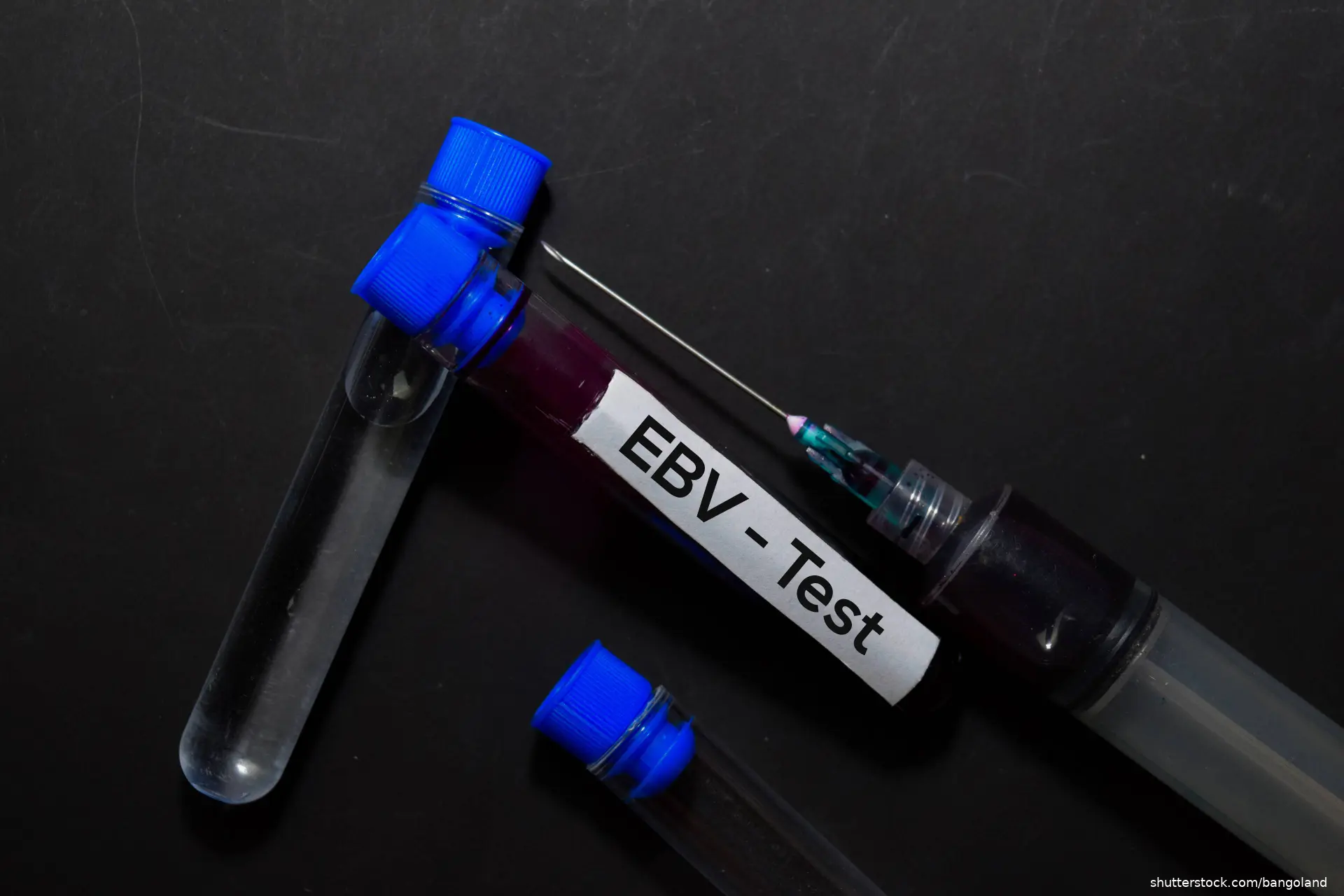
An observational study published in Nature Medicine identified Epstein-Barr virus (EBV)-associated immune changes in peripheral blood up to 3 months before clinically confirmed relapse in patients with relapsing-remitting multiple sclerosis (MS). The authors reported that a pre-relapse signature was concentrated in monocytes and B cells, but said the findings do not establish that viral reactivation causes relapse.
Researchers analyzed 240 peripheral blood mononuclear cell samples from 135 participants: 114 with MS and 21 healthy controls. They used single-cell and bulk RNA sequencing, flow cytometry, targeted viral reverse transcription quantitative PCR, and whole-genome sequencing. Two neurologists independently confirmed relapses, which required a contrast-enhancing MRI lesion; pre-relapse samples were identified retrospectively from longitudinal biobank specimens.
In paired flow cytometry samples, ABC-like B-cell abundance increased before relapse in 21 of 23 patients, with a median 1.6-fold increase. gp350-positive B cells also increased, from a model-predicted 0.186% during remission to 0.263% before relapse (odds ratio, 1.41; 95% CI, 1.11-1.79; P = .0043). Frequencies peaked during the 0- to 90-day pre-relapse window.
Targeted viral testing among 25 patients with paired specimens found higher LMP-1 transcript levels before relapse (odds ratio per approximate doubling in transcript abundance, 1.50; 95% CI, 1.26-1.93; adjusted P = .0022). Bulk RNA sequencing independently showed greater enrichment of an LMP-1 host-response signature in samples obtained within 90 days of relapse. Pre-relapse transcriptional programs also overlapped with MS genome-wide association study risk loci and EBNA-2-bound regulatory elements.
The investigators interpreted the combined data as supporting episodic EBV-associated signaling as a candidate component of relapse biology. Key limitations included the observational design, low viral RNA abundance, uncertainty surrounding gp350 detection, and analysis limited to peripheral blood. Prospective sampling, more sensitive viral assays, and functional studies are needed to determine causality and clinical utility, the authors wrote.
Source: King DA, Saxena S, Caefer D, et al. EBV reactivation priming of the peripheral immune system in multiple sclerosis relapse. Nat Med. 2026. doi:10.1038/s41591-026-04665-3



Surdeep Kulkarni RPh MSEditor
Surdeep is a pharmacist with extensive experience in medication therapy management, immunization services, patient counseling, medication safety, and evidence-based evaluation of drug information.
Advertisement
Today's Joke
Cartoon Slide Show

Quiz
Medical Trivia 9/9/2026
1 questions · ≈ 1 min · 12 players
to compete in the ranking.
×
Loading