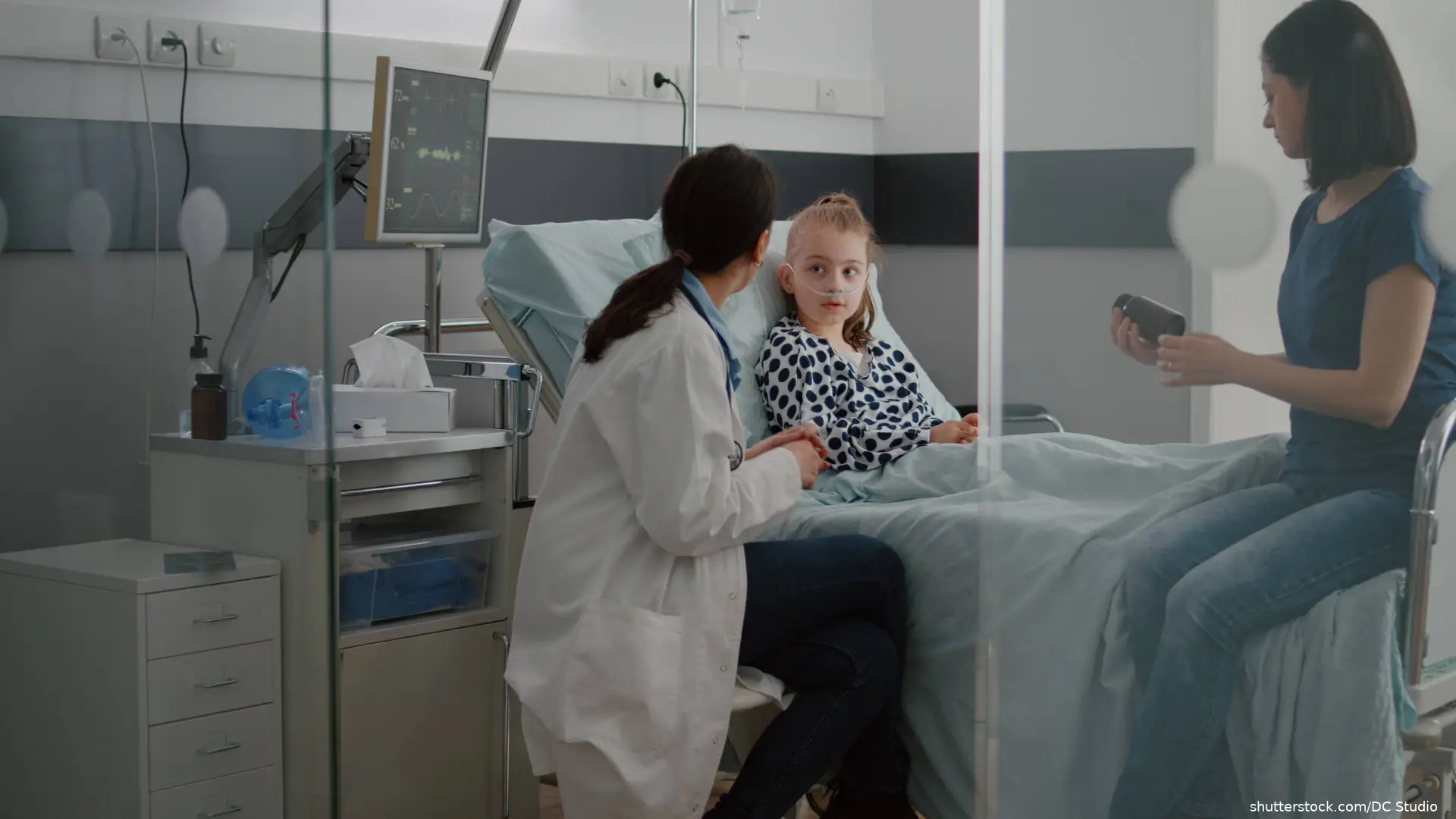
A widely implemented commercial pediatric sepsis alert identified about one-third of children with sepsis in the emergency department (ED), according to a retrospective multicenter cohort study published in JAMA Pediatrics.
The investigators evaluated the Pediatric Sepsis Early Detection Model (PESM; Epic Systems) and its associated clinical alert, which they reported has been widely implemented in US EDs but had not undergone independent evaluation. The study included children younger than 18 years seen at 8 EDs within a New York health system from January 2024 through June 2025; behavioral health encounters and ED deaths within 1 hour of arrival were excluded. Sepsis was defined as a Phoenix Sepsis Score of 2 or higher within 24 hours of ED arrival.
Among 166,943 pediatric ED encounters, 189 cases of sepsis occurred in the first 24 hours. The alert's sensitivity for identifying sepsis was 36% (95% CI, 29%-43%), with a positive predictive value of 3% and a negative predictive value greater than 99%. The alert triggered before sepsis onset with a sensitivity of 30% (95% CI, 24%-37%).
The investigators considered a subgroup sensitivity 10% or more below that of the overall cohort to be clinically meaningful. Sensitivity fell below that threshold among Black children (22%; 95% CI, 9%-40%), children younger than 5 years (20%; 95% CI, 12%-30%), and patients seen in EDs outside tertiary children's hospitals (25%; 95% CI, 14%-40%).
The authors concluded that the alert "does not support timely or equitable pediatric sepsis screening," noting that the evaluated alert threshold did not detect most sepsis cases present in the first 24 hours after ED arrival. The findings come from a retrospective analysis within a single health system.
Source: Mitchell CM, Zhang Z, Ranard BL, et al. Evaluation of a commercial pediatric sepsis early detection alert in the emergency department. JAMA Pediatr. Published online October 5, 2026. doi:10.1001/jamapediatrics.2026.4575
Advertisement
Today's Joke
Cartoon Slide Show


Quiz

Medical Trivia 10/30/2026
1 questions · ≈ 1 min
to compete in the ranking.
×
Loading