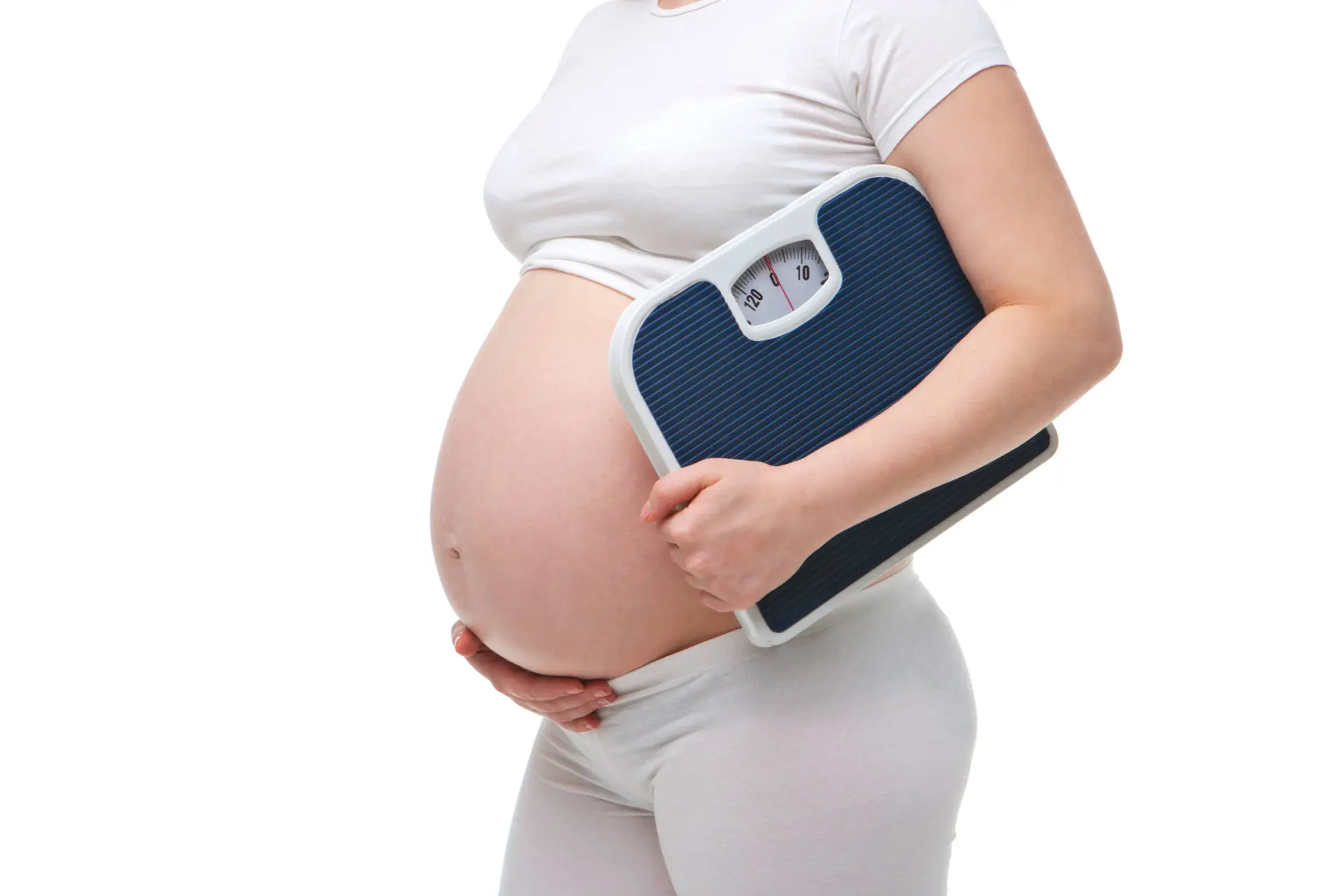
Gestational weight gain (GWG) outside Institute of Medicine (IOM)–recommended ranges was associated with increased risk of severe maternal morbidity (SMM), with patterns that varied by prepregnancy body mass index (BMI), according to a population-based cohort study published in JAMA Network Open.
The investigators noted that the association between GWG and SMM remains poorly understood. SMM was not among the outcomes used to derive the IOM ranges, which apply a single recommendation to all obesity classes.
The retrospective study used linked birth registry and hospitalization data for 1,035,927 singleton pregnancies with hospital deliveries in Ontario, Canada, from 2012 to 2022. SMM, a composite of 13 indicators occurring during delivery hospitalization, affected 14.59 per 1000 births. Compared with adequate gain, excessive GWG was associated with higher SMM risk in every BMI category. Adjusted rate ratios ranged from 1.16 among individuals with overweight to 1.33 among those with underweight (normal weight: 1.24; 95% CI, 1.17-1.31). Inadequate GWG was associated with higher risk mainly among individuals with normal weight and overweight.
Estimated SMM rates were lowest at 0.4kg/wk for underweight through overweight categories and declined across obesity classes to 0.1kg/wk for obesity class III. The authors noted that risk changed little near these minimums, so the values are best interpreted as approximate rather than as clinical targets. Excluding hypertensive disorders from the SMM definition attenuated associations with excessive GWG. The authors noted that fluid retention from these disorders may inflate weight at delivery, raising the possibility of reverse causation. Risk was further elevated when GWG outside recommended ranges co-occurred with preexisting medical conditions.
Limitations included capture of SMM only during delivery hospitalization, an assumption of linear weight gain in the second and third trimesters, and limited precision in obesity classes II and III that left inadequate-GWG estimates in those groups inconclusive. The authors concluded that the findings may complement the evidence used to inform GWG guidance.
Source: Khademioore S, Darling EK, D’Souza R, Muraca GM, Guo Y, Anderson LN. Weight gain during pregnancy and severe maternal morbidity. JAMA Netw Open. 2026;9(10):e2640027. doi:10.1001/jamanetworkopen.2026.40027
Advertisement
Today's Joke
Cartoon Slide Show


Quiz

Medical Trivia 10/30/2026
1 questions · ≈ 1 min
to compete in the ranking.
×
Loading