Durvalumab + BCG approved for some NMIBC patients
NewsMay 28, 2026 at 10:33
Updated at September 08, 2026 at 21:12
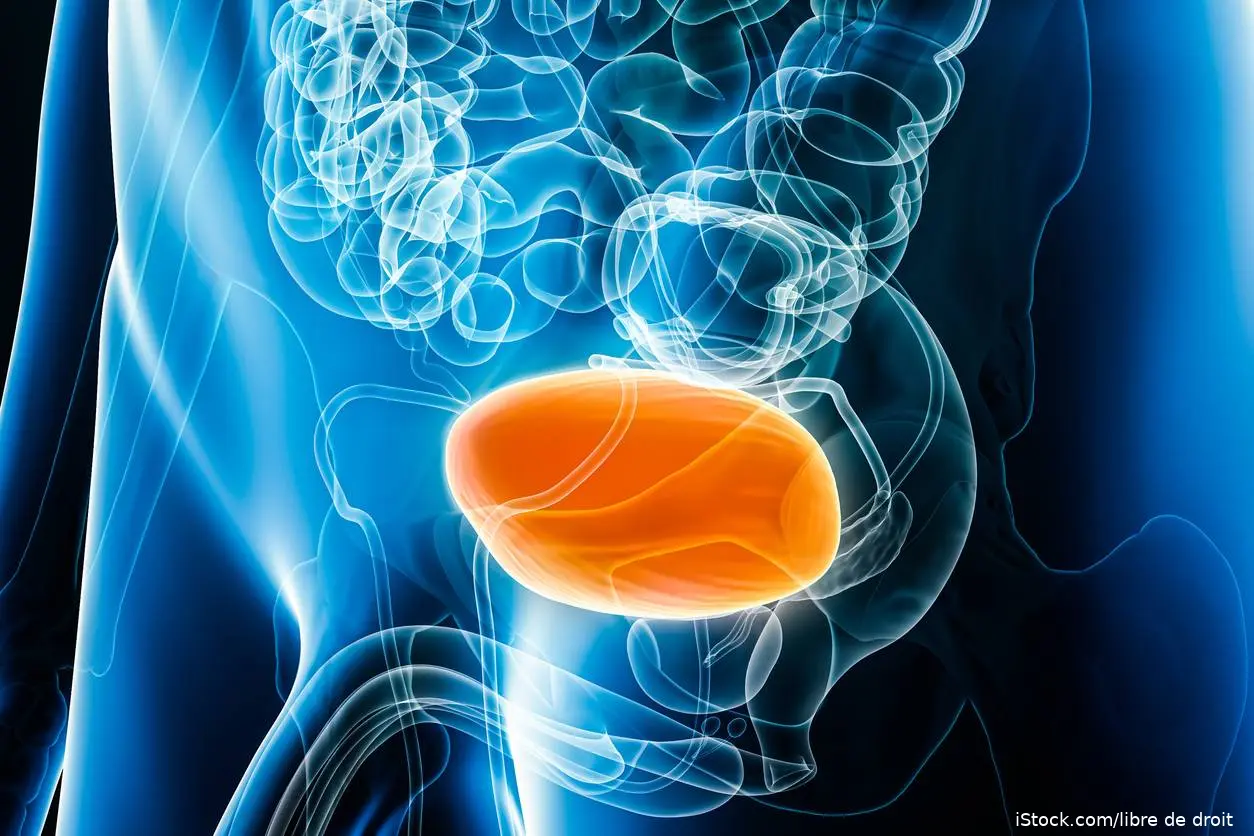
The FDA
approved durvalumab (Imfinzi, AstraZeneca) with Bacillus Calmette-Guerin for
adults with BCG-naive, high-risk non-muscle-invasive bladder cancer (NMIBC).
The approval is based on POTOMAC, a randomized, open-label, multicenter Phase 3
trial that enrolled 1,018 patients with high-risk NMIBC after transurethral
resection of bladder tumor. The FDA defined high-risk disease in the trial as T1
tumor, grade 3 or high-grade tumor, carcinoma in situ, or multiple, recurrent,
and large tumors.
Patients were
randomized 1:1:1 to durvalumab every 4 weeks for 13 cycles plus BCG induction
and maintenance, BCG induction and maintenance alone, or another
investigational regimen. The major efficacy end point was investigator-assessed
disease-free survival, defined from randomization to recurrence of high-risk
NMIBC, persistent carcinoma in situ, muscle-invasive bladder cancer, metastatic
disease, or death.
Results of this trial showed that durvalumab plus BCG induction and maintenance significantly improved
disease-free survival compared with BCG induction and maintenance alone, with a
hazard ratio of 0.68 (95% CI, 0.50-0.93; two-sided P=0.0154). Median
disease-free survival was not reached in either arm. The recommended durvalumab
dose is 1,500mg every 4 weeks for 13 cycles for patients weighing at least 30kg, in combination with BCG induction and maintenance. Treatment
should continue until high-risk recurrence, disease progression, unacceptable
toxicity, or completion of 13 cycles. The label includes warnings for
immune-mediated adverse reactions, infusion reactions, transplant
complications, and embryo-fetal toxicity.
Source: US Food and Drug Administration. FDA approves durvalumab in combination with Bacillus Calmette-Guerin for high-risk non-muscle invasive bladder cancer. May 28, 2026. Accessed August 24, 2026.
Advertisement
Today's Joke
Cartoon Slide Show

Quiz
Medical Trivia 9/9/2026
1 questions · ≈ 1 min
to compete in the ranking.
×
Loading