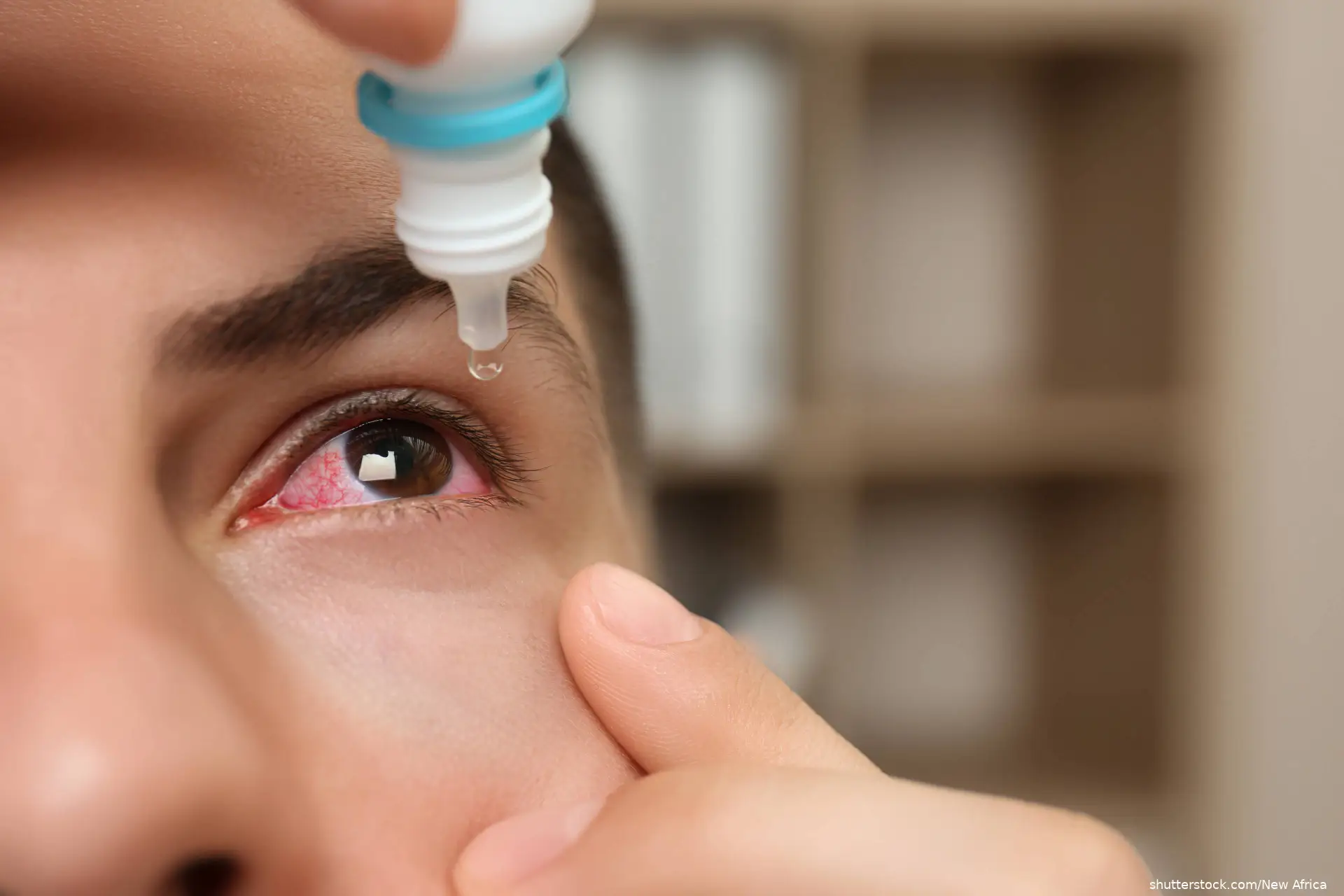
The FDA has approved apraclonidine ophthalmic solution 0.125% (Brytly, Alcon) as a nonprescription treatment for the relief of eye redness due to minor irritations. The agency described Brytly as the first nonprescription eye drop containing apraclonidine.
According to the FDA, eye redness is a common condition most often caused by swollen or dilated blood vessels on the surface of the eye, which can result from minor irritations such as dryness or dust. The agency said the approval aligns with its Public Health Pillars, which prioritize increasing access to affordable medicines.
“Expanding access to safe and effective nonprescription treatments is a priority for FDA,” said Mike Davis, MD, PhD, director of the FDA Center for Drug Evaluation and Research. He added that the approval gives consumers a new nonprescription option for managing eye redness without seeing a healthcare provider. Brytly is approved only for adults and children aged 12 years and older and should not be used more than twice daily, according to the agency.
The FDA said consumers should read the full Drug Facts label before using Brytly. According to the agency, contact lenses should be removed before use and reinserted no sooner than 10 minutes after application. Users applying additional eye drops should wait 5 minutes between products. The agency said consumers should stop using Brytly and ask a doctor if they experience eye pain, changes in vision, or continued redness or irritation, or if the condition persists for more than 3 days or worsens.
The FDA granted the nonprescription approval to Alcon. The agency noted that eye drops containing higher concentrations of apraclonidine are available by prescription to reduce intraocular pressure in patients with glaucoma or in those undergoing certain types of laser eye surgery.
Source: US Food and Drug Administration. FDA approves new nonprescription eye drop for relief of eye redness. Statement. US Food and Drug Administration; October 16, 2026. Accessed October 18, 2026.
Advertisement
Today's Joke
Cartoon Slide Show


Quiz

Medical Trivia 10/30/2026
1 questions · ≈ 1 min
to compete in the ranking.
×
Loading