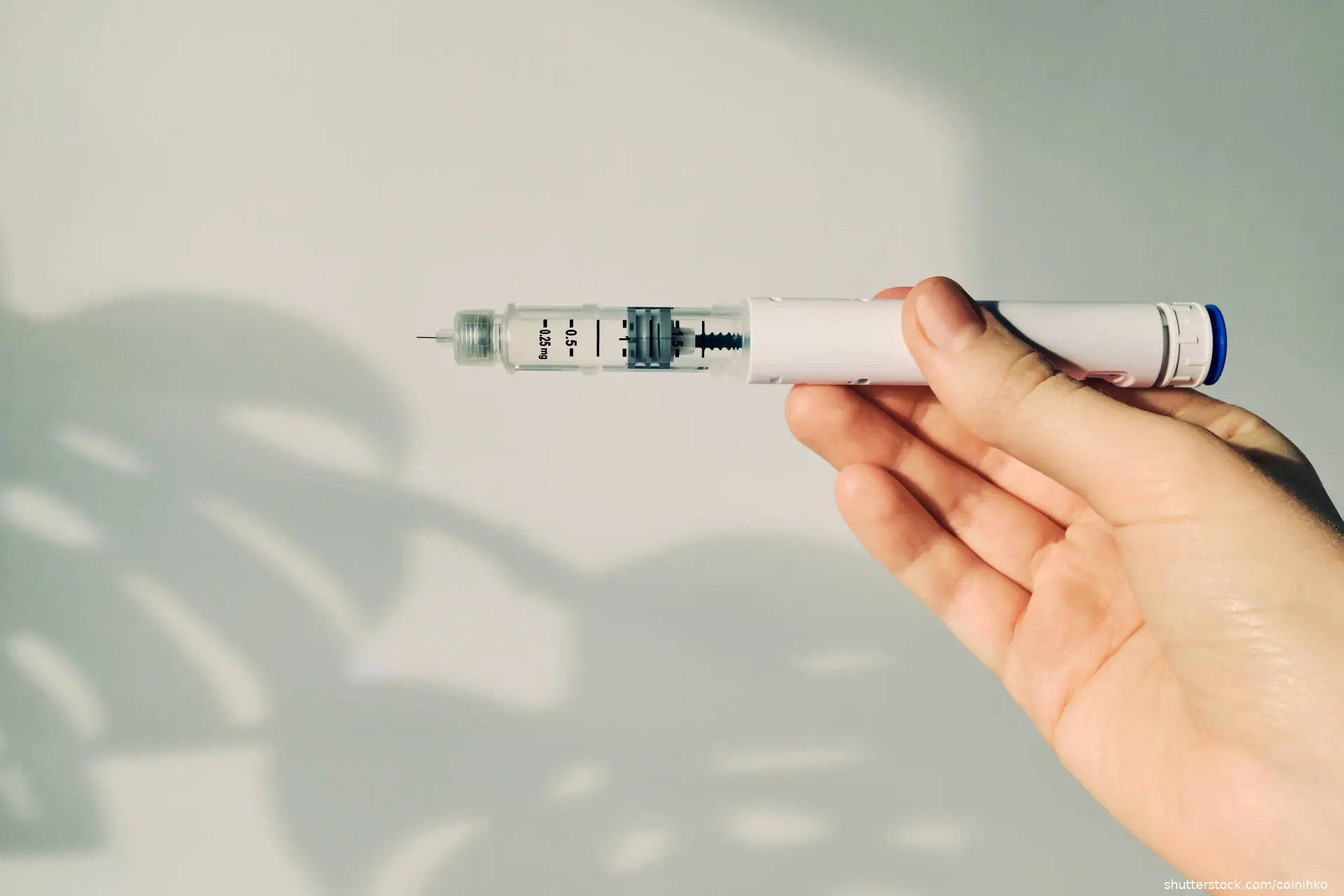
Dozens of patients who say they developed eye damage after using GLP-1 receptor agonists are suing Novo Nordisk and Eli Lilly, according to a news report published October 9, 2026, in The BMJ. The suits center on semaglutide (Ozempic, Wegovy, Rybelsus, Novo Nordisk) and tirzepatide (Mounjaro, Zepbound, Eli Lilly)—drugs now among the most widely used therapies for type 2 diabetes and weight management.
The condition at issue is non-arteritic anterior ischemic optic neuropathy (NAION), described in the report as a “stroke” of the optic nerve. An obesity medicine physician quoted by The BMJ described NAION as causing sudden, usually permanent vision loss in one eye. NAION typically affects about 2 to 10 people per 100,000 annually, with risk rising with age and vascular disease history, and currently has no treatment, according to the report.
Two medicines regulators have separately reviewed a possible link between semaglutide and NAION. The European Medicines Agency’s Pharmacovigilance Risk Assessment Committee (PRAC) concluded on June 6, 2025, that NAION is a very rare side effect of the semaglutide medicines Ozempic, Rybelsus, and Wegovy, estimating that up to 1 in 10,000 people taking the drug may be affected; large epidemiological studies in adults with type 2 diabetes found roughly double the risk of NAION in semaglutide users compared with nonusers, and PRAC recommended updating product labeling accordingly.
The UK’s Medicines and Healthcare products Regulatory Agency (MHRA) issued a related drug safety update on February 5, 2026, similarly citing up to 1 in 10,000 people affected and a roughly two-fold relative-risk increase in adults with type 2 diabetes in a European review—corresponding to about one additional case per 10,000 patients treated per year. The MHRA advised prescribers to ask about semaglutide use in patients presenting with vision loss, to urgently refer suspected cases to an ophthalmologist, and to stop semaglutide if NAION is confirmed; it noted the UK’s Yellow Card scheme had received three suspected NAION reports associated with semaglutide between the drug’s 2018 UK authorization and August 1, 2025, against an estimated 10.2 million packs dispensed over the preceding five years.
The litigation reported by The BMJ was ongoing as of publication. Neither the BMJ report nor the regulatory reviews establish that GLP-1 therapy causes NAION; both EMA and MHRA describe the association as a rare safety signal warranting labeling changes and clinical vigilance, not a confirmed causal link, and neither regulatory action addressed tirzepatide specifically.
Sources: Cozzolino A. GLP-1s: Novo Nordisk and Eli Lilly face lawsuits over vision loss and eye damage. BMJ. 2026;395:e101099. doi:10.1136/bmj-2026-101099
European Medicines Agency. PRAC concludes eye condition NAION is a very rare side effect of semaglutide medicines Ozempic, Rybelsus and Wegovy. News release. European Medicines Agency; June 6, 2025. Accessed October 12, 2026.
Medicines and Healthcare products Regulatory Agency. Semaglutide (Wegovy, Ozempic and Rybelsus): risk of non-arteritic anterior ischemic optic neuropathy (NAION). Drug Safety Update. MHRA; February 5, 2026. Accessed October 12, 2026.

Advertisement
Today's Joke
Cartoon Slide Show


Quiz

Medical Trivia 10/30/2026
1 questions · ≈ 1 min
to compete in the ranking.
×
Loading