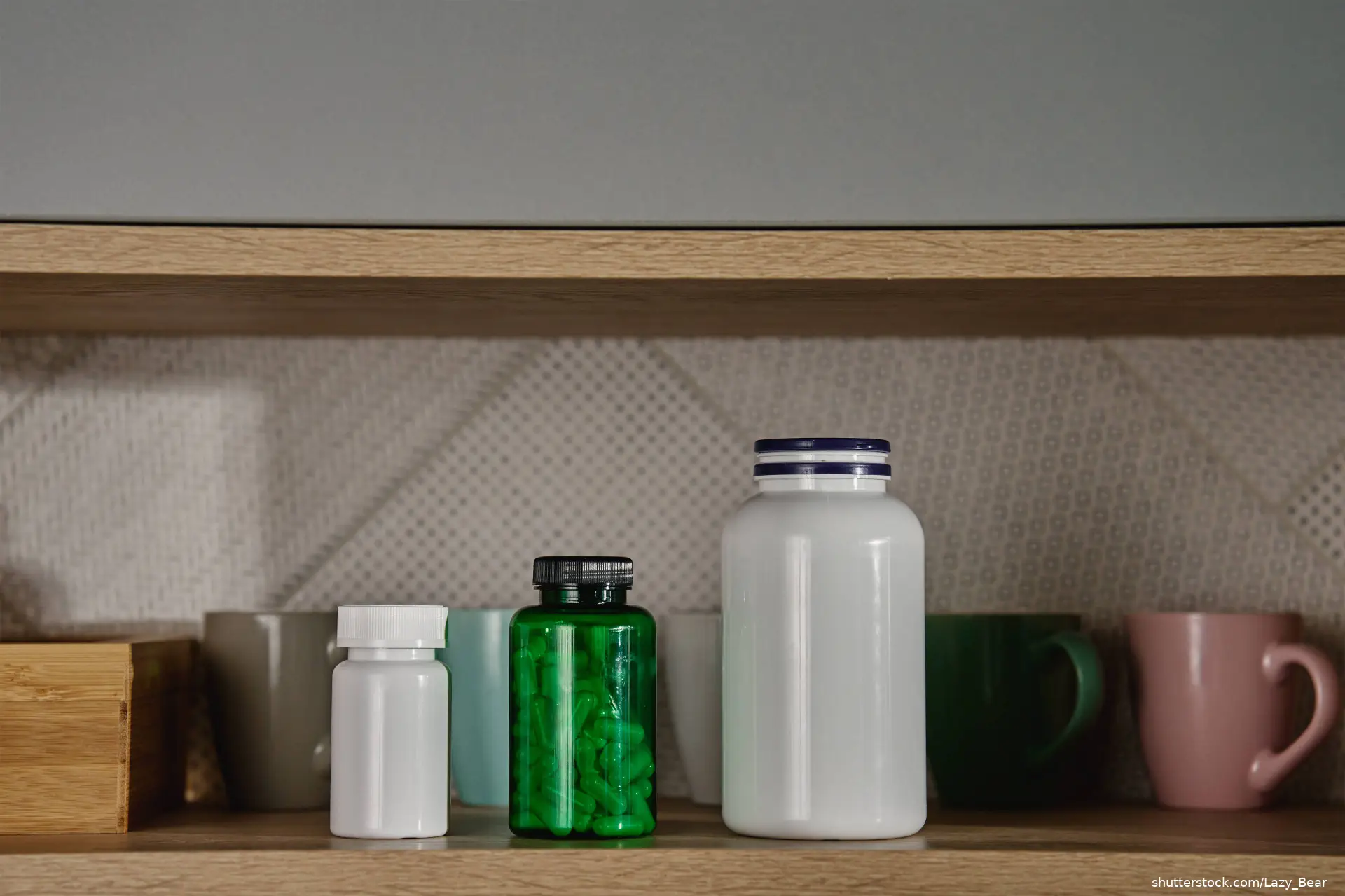
Most patients discharged from the emergency department (ED) with an opioid prescription for acute pain still had unused opioids 2 weeks later, and many kept leftover tablets at home for 3 months, often in unlocked locations, according to a Canadian cohort study published in JAMA Network Open.
The investigators noted that household availability of prescription opioids is associated with increased odds of fatal and nonfatal opioid overdose, and that few studies have examined what motivates patients to return unused opioids.
The preplanned substudy of the multicenter prospective OPUM cohort enrolled 2,590 adults discharged from 7 EDs in Québec and Ontario with an opioid prescription for acute pain; 2,047 completed the 2-week follow-up and 1,835 the 3-month follow-up. At 2 weeks, 84.0% reported unused opioids at home. Only 6.7% stored their opioids in a locked area, and 25.8% stored them out of reach of children or teenagers.
At 3 months, 61.9% of participants who had filled their prescription and were no longer using opioids still had unused tablets, most often kept in case of future pain (57.7%) or because they forgot or lacked time to return them (28.3%). Among those without leftover opioids, 29.7% had returned them to a pharmacy or recovery program and 9.8% had discarded them in the garbage or toilet. Overall, 33.5% of participants said they would return opioids to a pharmacy if prompted, 13.0% would do so for a cash refund, and 26.1% would keep them regardless of incentive.
The authors noted that many eligible patients were missed, unreachable, declined to participate, or were lost to follow-up; that most participants were from Québec; and that self-reported outcomes likely overestimated safe storage and disposal. They said the findings support tailoring opioid prescriptions to individual patient needs, strengthening take-back networks, and enhancing patient education on safe use, storage, and disposal of opioids.
Source: Daoust R, Williamson D, Huard V, et al. Storage and disposal of unused prescription opioids for acute pain after emergency department discharge. JAMA Netw Open. 2026;9(10):e2639607. doi:10.1001/jamanetworkopen.2026.39607
Advertisement
Today's Joke
Cartoon Slide Show


Quiz

Medical Trivia 10/30/2026
1 questions · ≈ 1 min
to compete in the ranking.
×
Loading