Liberal Transfusions Linked to Better Outcomes After Traumatic Brain Injury
NewsSeptember 09, 2026 at 14:30
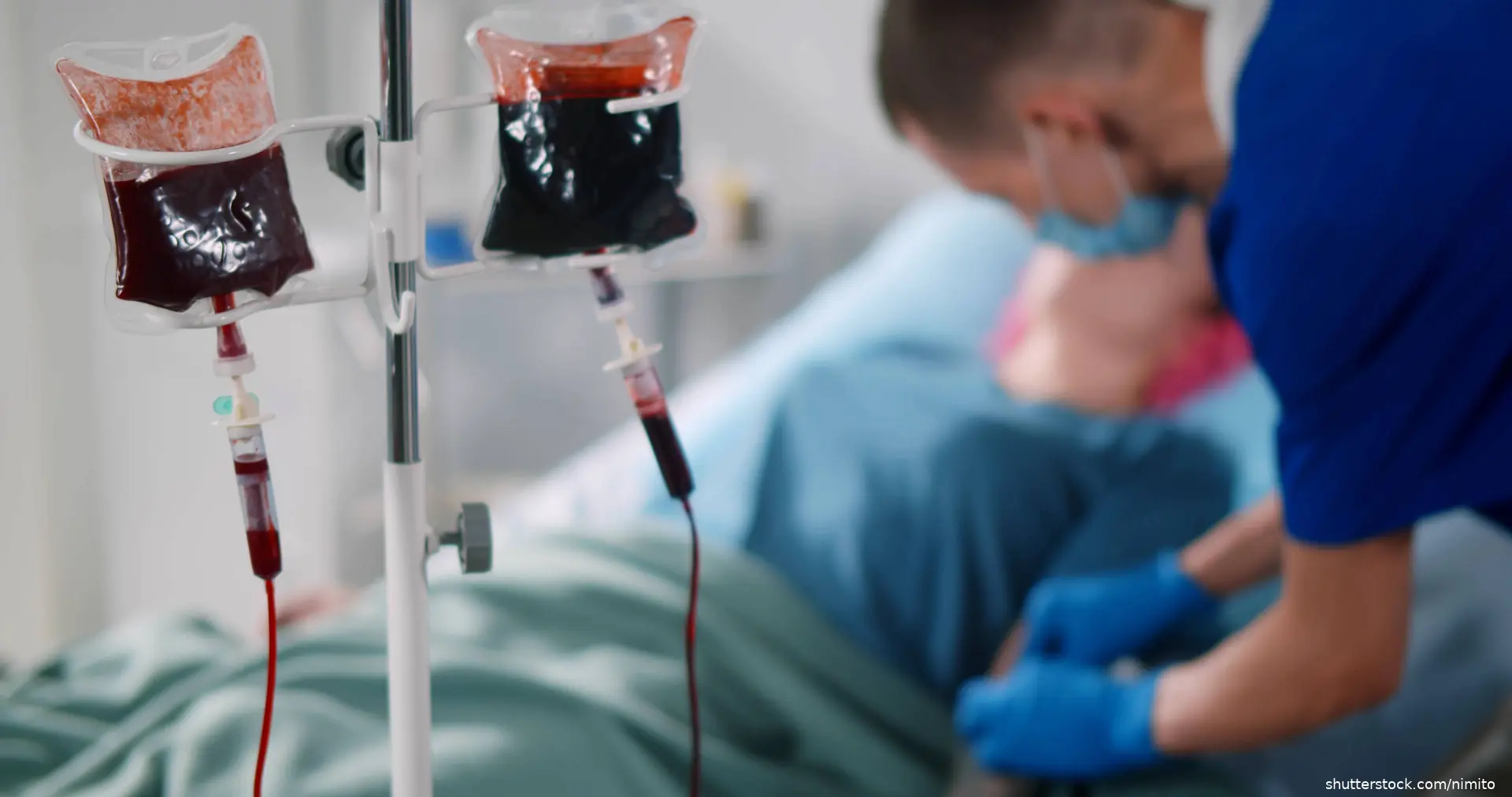
A liberal red blood cell transfusion strategy was associated with a lower probability of unfavorable neurologic outcome at 180 days than a restrictive strategy among patients with traumatic brain injury, according to a prespecified secondary analysis of the TRAIN randomized clinical trial.
The analysis included 475 patients with traumatic brain injury and hemoglobin concentrations below 9 g/dL. Participants had been assigned to liberal or restrictive transfusion thresholds within the broader trial of adults with acute brain injury. The primary outcome for this analysis was an unfavorable neurologic outcome at 180 days.
Unfavorable neurologic outcome occurred in 58.5% of patients managed with the liberal strategy and 67.4% of those managed with the restrictive strategy (relative risk, 0.86; 95% CI, 0.75-1.00; P = 0.047; fragility index, 1). Investigators also reported that the liberal strategy was not associated with an increased risk of adverse events.
The authors cautioned that the estimate remains uncertain because the findings come from a secondary analysis rather than a trial designed solely around the traumatic brain injury subgroup. Even so, the results add clinically relevant evidence to an area where clinicians must balance oxygen delivery against transfusion-related risks.
The findings suggest that a higher transfusion threshold may reduce unfavorable neurologic outcomes in patients with traumatic brain injury. The authors said the results require cautious interpretation and further validation before they can inform broadly applicable transfusion practices.
Source: Sbaraini Zernini I, Faso C, Bittencourt Rynkowski C, et al. Restrictive vs liberal transfusion strategy in traumatic brain injury: a secondary analysis of the TRAIN trial. JAMA Netw Open. 2026;9(9):e2632555. doi:10.1001/jamanetworkopen.2026.32555
Advertisement
Today's Joke
Cartoon Slide Show
Quiz
Medical Trivia 9/9/2026
1 questions · ≈ 1 min
to compete in the ranking.
×
Loading