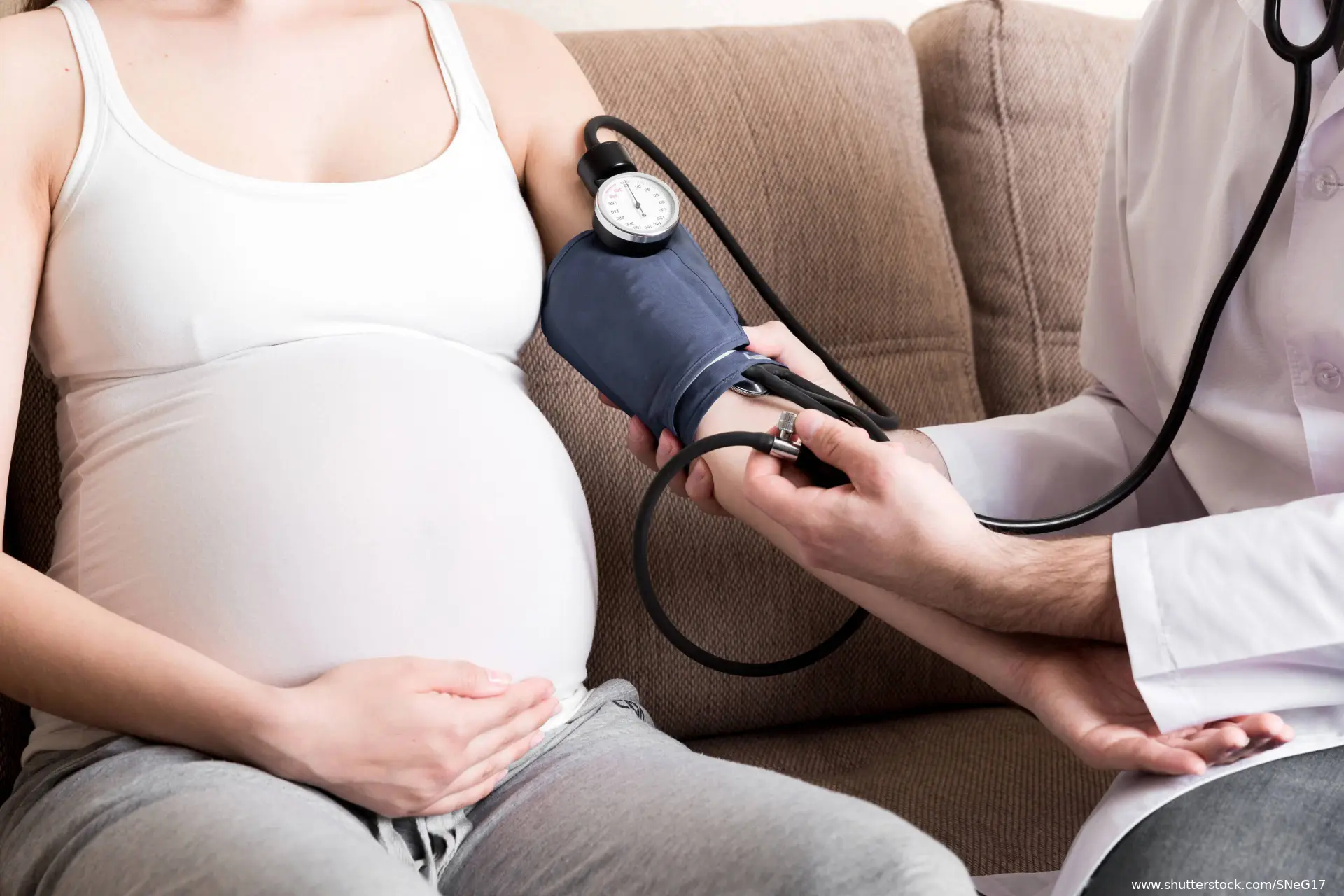
Pregnancies after living kidney donation were associated with a higher risk of hospitalization with gestational hypertension, preeclampsia, or eclampsia than matched pregnancies in nondonors, according to a Canadian cohort study published in JAMA and presented at the American Society of Nephrology’s Kidney Week 2026.
According to the authors, about 65% of living kidney donors are female and about 75% are of childbearing age at donation, yet evidence on pregnancy outcomes after donation remains unclear and counseling practices vary.
The matched cohort study used administrative health databases from Ontario, British Columbia, and Alberta and included female donors aged 18 to 42 years who donated between July 1992 and August 2021 and later had singleton pregnancies of at least 20 weeks’ gestation. The 385 pregnancies in 252 donors were each matched to 4 nondonor pregnancies, for a total of 1,540 pregnancies in 1,535 nondonors, on delivery date, maternal age, time since cohort entry, prior pregnancies, and income. The primary composite outcome occurred in 11.9% of donor pregnancies and 8.3% of nondonor pregnancies (risk ratio, 1.51; 95% CI, 1.10-2.08).
Among secondary outcomes, small for gestational age birth occurred in 13.8% of donor pregnancies and 7.9% of nondonor pregnancies; the authors noted this could reflect chance given the number of secondary outcomes examined. More than 88% of donor pregnancies did not have the primary outcome. Because about one-third of donor pregnancies were included in an earlier report, results were presented descriptively without formal significance testing. Limitations included reliance on administrative diagnostic codes, no data on blood pressure, body mass index, or medication use during pregnancy, slightly more prenatal monitoring among donors, possible residual genetic confounding, and unavailable race and ethnicity data.
The authors concluded that the findings support counseling donor candidates who may become pregnant about this risk and informing prenatal care for donors who become pregnant.
Source: Wang C, Naylor KL, McArthur E, et al. Pregnancy outcomes after living kidney donation. JAMA. Published online October 22, 2026. doi:10.1001/jama.2026.21737


Advertisement
Today's Joke
Cartoon Slide Show


Quiz

Medical Trivia 10/28/2026
1 questions · ≈ 1 min
to compete in the ranking.
×
Loading