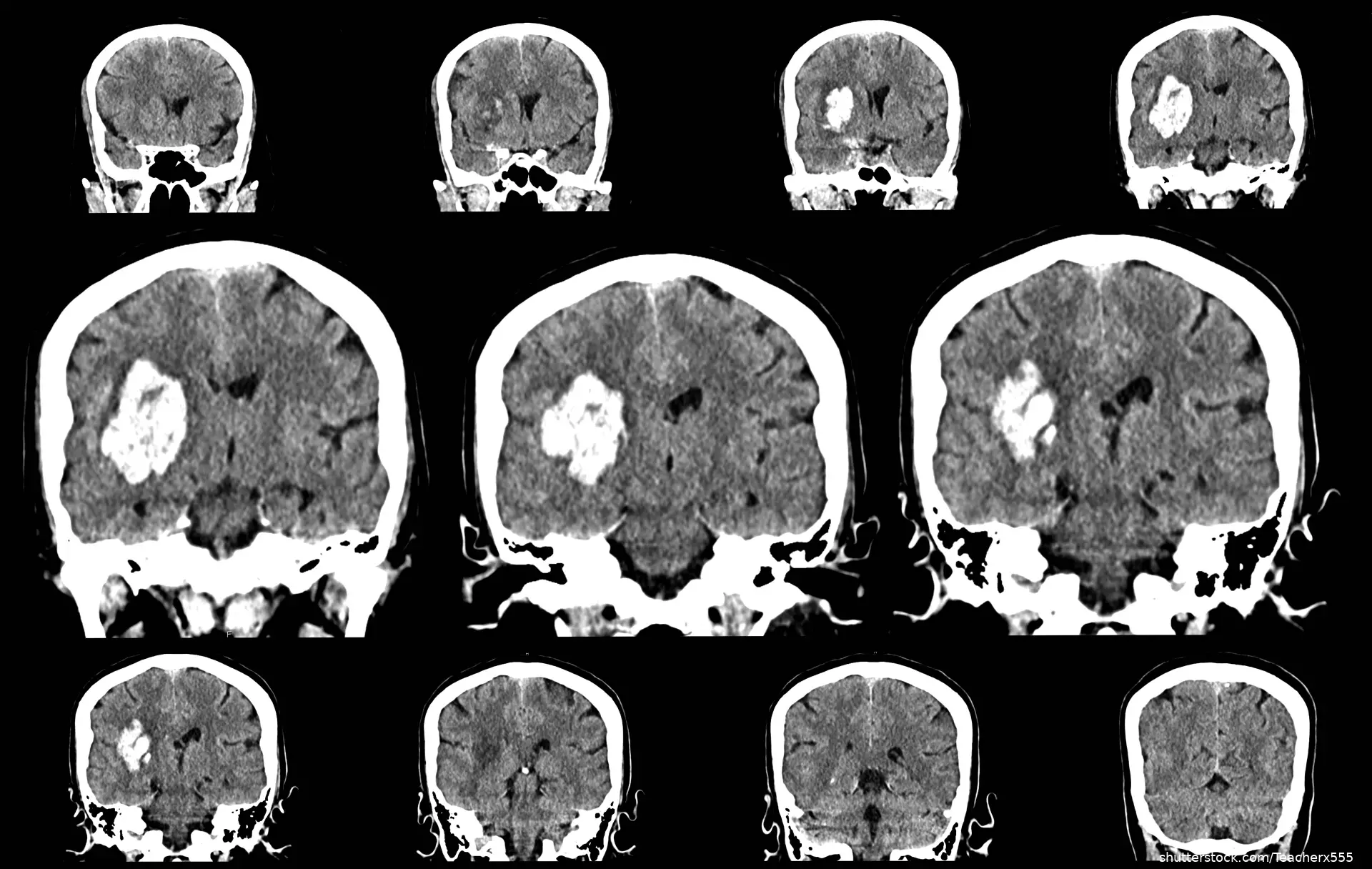
Intravenous loberamisal increased the proportion of patients achieving full functional outcomes at 90 days compared with placebo after acute ischemic stroke, according to the phase 3 LAIS randomized clinical trial published in JAMA.
The multicenter, double-blind, placebo-controlled trial randomized 998 adults at 32 hospitals in China. Participants were aged 18 to 80 years, presented within 48 hours of symptom onset, had National Institutes of Health Stroke Scale (NIHSS) scores of 7 to 20, and had no prestroke disability beyond a modified Rankin Scale (mRS) score of 1. Patients undergoing endovascular thrombectomy were excluded.
Participants received intravenous loberamisal 40mg or matching placebo once daily for 10 days, plus standard stroke care. The primary analysis included 997 treated participants: 502 assigned to loberamisal and 495 to placebo. The primary outcome was an mRS score of 0 or 1 at 90 days.
The primary outcome occurred in 350 participants (69.7%) receiving loberamisal and 279 (56.3%) receiving placebo (relative risk, 1.24; 95% CI, 1.12-1.36; risk difference, 13.28%; 95% CI, 7.24-19.32). Adverse events occurred in 87.8% and 88.7%, serious adverse events in 8.6% and 10.7%, and deaths in 1.2% and 2% of the loberamisal and placebo groups, respectively.
The investigators noted that enrollment was limited to China, patients with very mild or very severe stroke were underrepresented, and thrombectomy recipients were excluded. They also reported that nonsignificant differences in several secondary outcomes weakened the primary finding and that absent biomarker and imaging assessments limited mechanistic interpretation. Further studies are needed to validate the findings in broader populations.
Source: Li S, Feng B, He D, et al. Loberamisal for acute ischemic stroke: the LAIS randomized clinical trial. JAMA. Published online September 10, 2026. doi:10.1001/jama.2026.16557
Advertisement
Today's Joke
Cartoon Slide Show


Quiz

Medical Trivia 9/9/2026
1 questions · ≈ 1 min
to compete in the ranking.
×
Loading