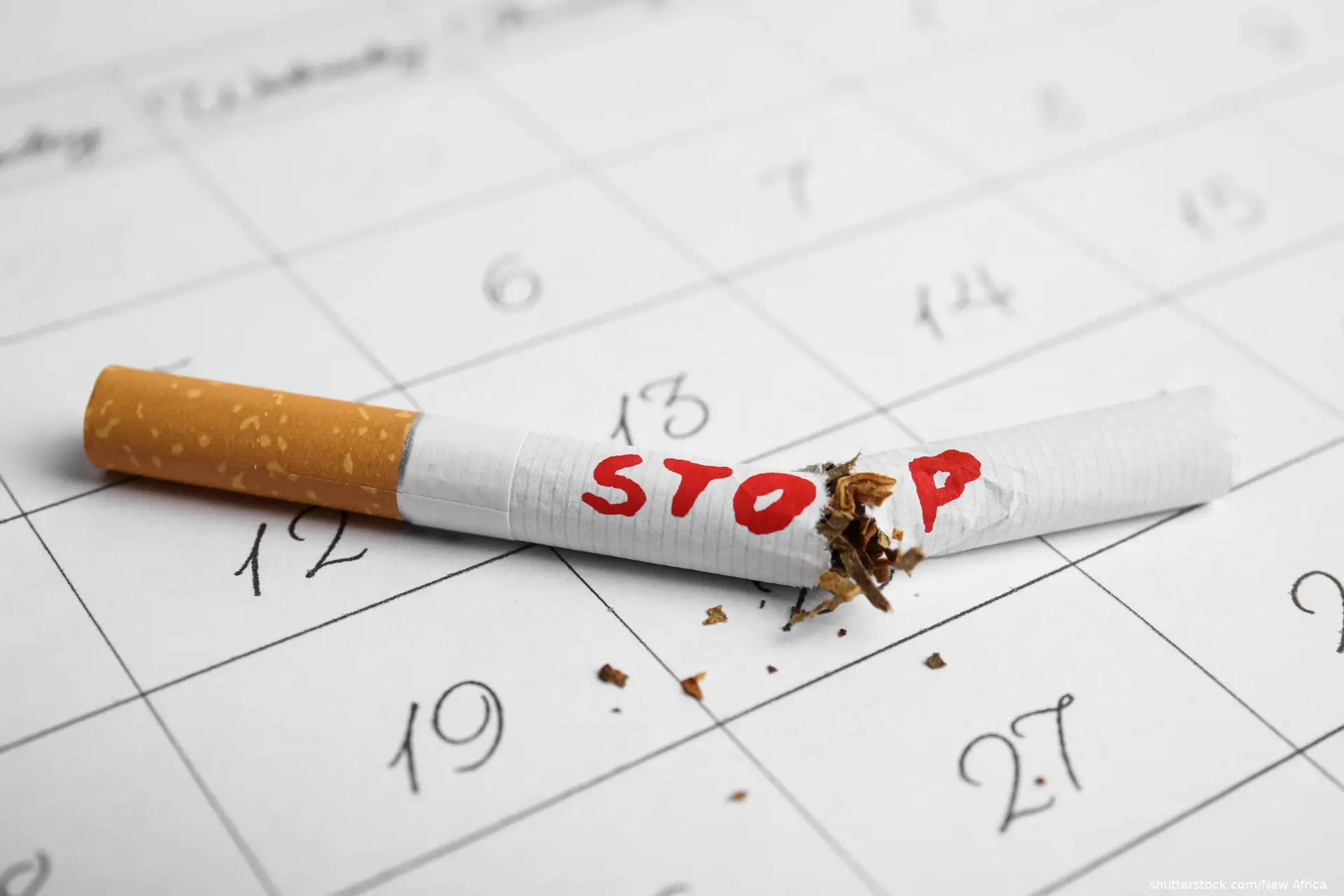
Among patients with type 2 diabetes, quitting smoking for 8 or more years was associated with a lower risk of diabetic microvascular complications than continuous smoking, according to a retrospective cohort study published in JAMA Network Open.
The investigators used the Korean National Health Insurance Service database to identify patients first diagnosed with type 2 diabetes between 2003 and 2013. Each patient's smoking status had been assessed at 4 or more health checkups. Patients counted as quitters only if they reported cessation at every checkup after their first report of smoking, with no relapse. The analysis included 209,698 adults (mean age, 57.2 years; 61.0% female).
Compared with continuous smokers, those who had quit for 8 or more years had a lower risk of all microvascular complications (adjusted hazard ratio [aHR], 0.81; 95% CI, 0.70-0.95). Their risk was also lower for diabetic nephropathy (aHR, 0.79), diabetic retinopathy (aHR, 0.59), and diabetic neuropathy (aHR, 0.80). Cessation for 6 to 7 years was associated with a lower risk of diabetic neuropathy (aHR, 0.76; 95% CI, 0.64-0.89). Cessation for less than 2 years was associated with a higher risk of diabetic nephropathy (aHR, 1.12).
In analyses by sex, the associations were significant only among men. The authors noted that the analyses in women were limited by small sample size. They also cautioned that the retinopathy and neuropathy finding was based on a small number of events and should be interpreted with caution.
The investigators cited several limitations: possible residual confounding, no data on hemoglobin A1c, and possible sick quitter and healthy quitter bias. They added that the findings may not apply to female patients and that further studies with adequate power in women are warranted.
Source: Shin S, Kim MH, Ryoo JH. Smoking cessation duration and diabetic microvascular complications. JAMA Netw Open. 2026;9(10):e2637278. doi:10.1001/jamanetworkopen.2026.37278
Advertisement
Today's Joke
Cartoon Slide Show


Quiz

Medical Trivia 10/30/2026
1 questions · ≈ 1 min
to compete in the ranking.
×
Loading