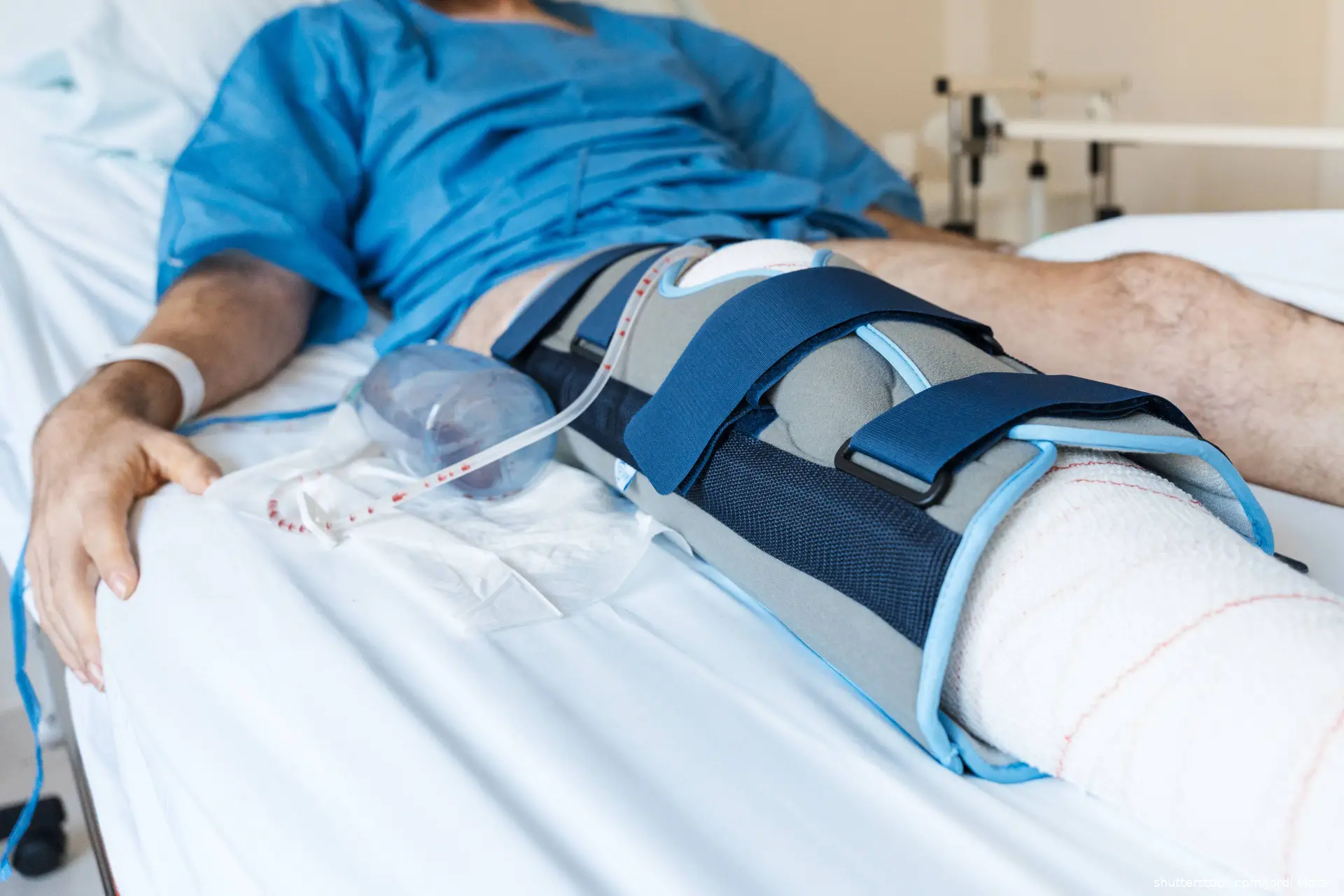
A single preoperative dose of intranasal oxytocin was associated with a lower 3-day cumulative incidence of screening-positive probable acute stress disorder (ASD) after traumatic fracture surgery compared with saline placebo, according to a randomized clinical trial published in JAMA Internal Medicine.
The investigators described ASD as a common and debilitating psychological sequela of traumatic fracture surgery that adversely affects recovery and predicts chronic posttraumatic stress disorder. They noted that effective pharmacological prevention strategies are lacking.
The single-center, double-blind, placebo-controlled trial (ChiCTR2400082612) was conducted at the General Hospital of Western Theater Command in China. From April 2024 to April 2025, 328 adults scheduled for traumatic fracture surgery (median age, 50 years; 64.0% male) were randomized 1:1 to intranasal oxytocin 40IU or an equivalent volume of intranasal saline 10 minutes before induction of anesthesia. The primary outcome was a first screening-positive probable ASD within 3 days after surgery, defined as a Stanford Acute Stress Reaction Questionnaire score of 40 or higher. Probable ASD occurred in 15.9% of the oxytocin group and 30.5% of the saline group, an absolute difference of 14.6 percentage points (risk ratio, 0.52; 95% CI, 0.34-0.79).
In a prespecified Cox model, oxytocin was also associated with a lower hazard of a positive screening result during follow-up. Exploratory analyses suggested improved psychological outcomes and directionally consistent changes in stress biomarker trajectories. No serious adverse events were observed.
The authors concluded that intranasal oxytocin may represent a feasible perioperative preventive strategy, but said the exploratory mechanistic insights and long-term safety profile warrant further investigation. The trial was conducted at a single center, and its primary outcome was screening-positive probable ASD during the first 3 postoperative days.
Source: Huang Q, Wen Y, Li Q, et al. Preoperative intranasal oxytocin and probable acute stress disorder after traumatic fracture surgery: a randomized clinical trial. JAMA Intern Med. Published online October 26, 2026. doi:10.1001/jamainternmed.2026.5326
Advertisement
Today's Joke
Cartoon Slide Show


Quiz

Medical Trivia 10/30/2026
1 questions · ≈ 1 min
to compete in the ranking.
×
Loading