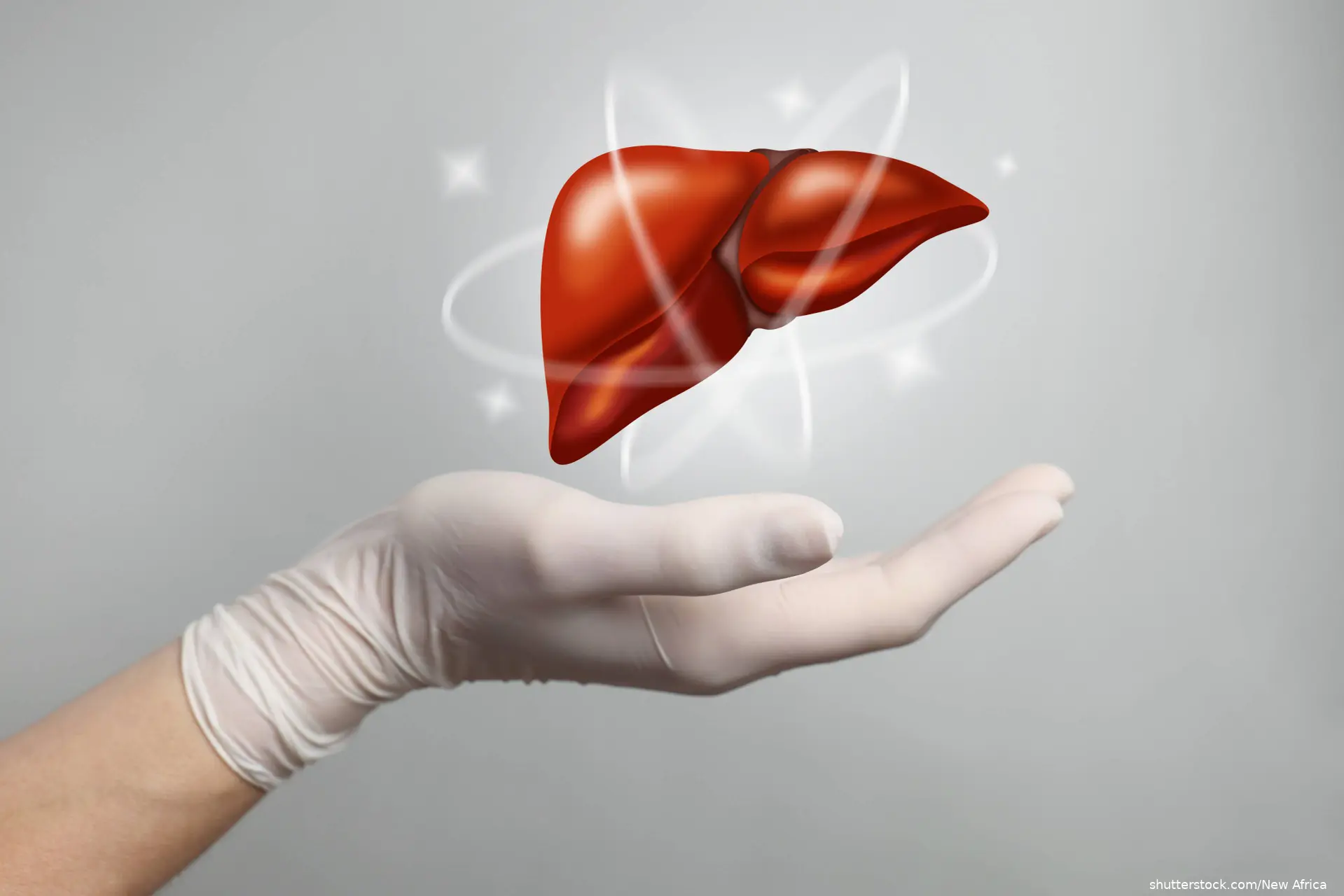
Lifelong genetic inhibition of proprotein convertase subtilisin/kexin type 9 (PCSK9) was not associated with a higher incidence of chronic liver disease (CLD), despite lower lipid levels, in a UK Biobank genetic association study published in JAMA Network Open.
Investigators analyzed 405,111 participants, including 344 heterozygous carriers of 28 rare PCSK9 loss-of-function variants and 404,767 noncarriers. Participants had a mean age of 55.75 years, and 56.79% were female. CLD was defined as a composite of alcoholic or metabolic dysfunction-associated steatotic liver disease, nonalcoholic steatohepatitis, cirrhosis, or hepatocellular carcinoma. Cox proportional hazards models incorporated demographic, metabolic, alcohol-related, and genetic covariates.
Carriers had significantly lower plasma lipid levels than noncarriers, while median liver enzyme levels were comparable. After covariate adjustment, investigators found no difference in CLD risk between groups (odds ratio, 1.07; 95% CI, 0.40–2.50; adjusted P = .80). PCSK9 loss-of-function status also was not associated with lifetime incident CLD (hazard ratio [HR], 1.08; 95% CI, 0.40–2.50; adjusted P = .80).
Results remained consistent through 15 years of follow-up, with no higher CLD incidence among carriers than noncarriers (HR, 1.20; 95% CI, 0.50–2.68; adjusted P = .71). In a secondary analysis, the R46L PCSK9 variant was not significantly associated with 15-year cumulative or lifetime CLD incidence.
The investigators reported that rare PCSK9 loss-of-function variants were associated with an approximately 30% reduction in low-density lipoprotein cholesterol without increased liver enzyme levels or CLD incidence. They noted that the small number of incident liver-related events among carriers was an important limitation. The findings may offer insight into the potential long-term hepatic effects of PCSK9-targeted approaches, but the authors said confirmation is needed.
Source: Di Costanzo A, Pirona I, D’Erasmo L, et al. Lifelong genetic inhibition of PCSK9 and hepatic safety. JAMA Netw Open. 2026;9(9):e2632994. doi:10.1001/jamanetworkopen.2026.32994
Advertisement
Today's Joke
Cartoon Slide Show

Quiz
Medical Trivia 9/9/2026
1 questions · ≈ 1 min
to compete in the ranking.
×
Loading