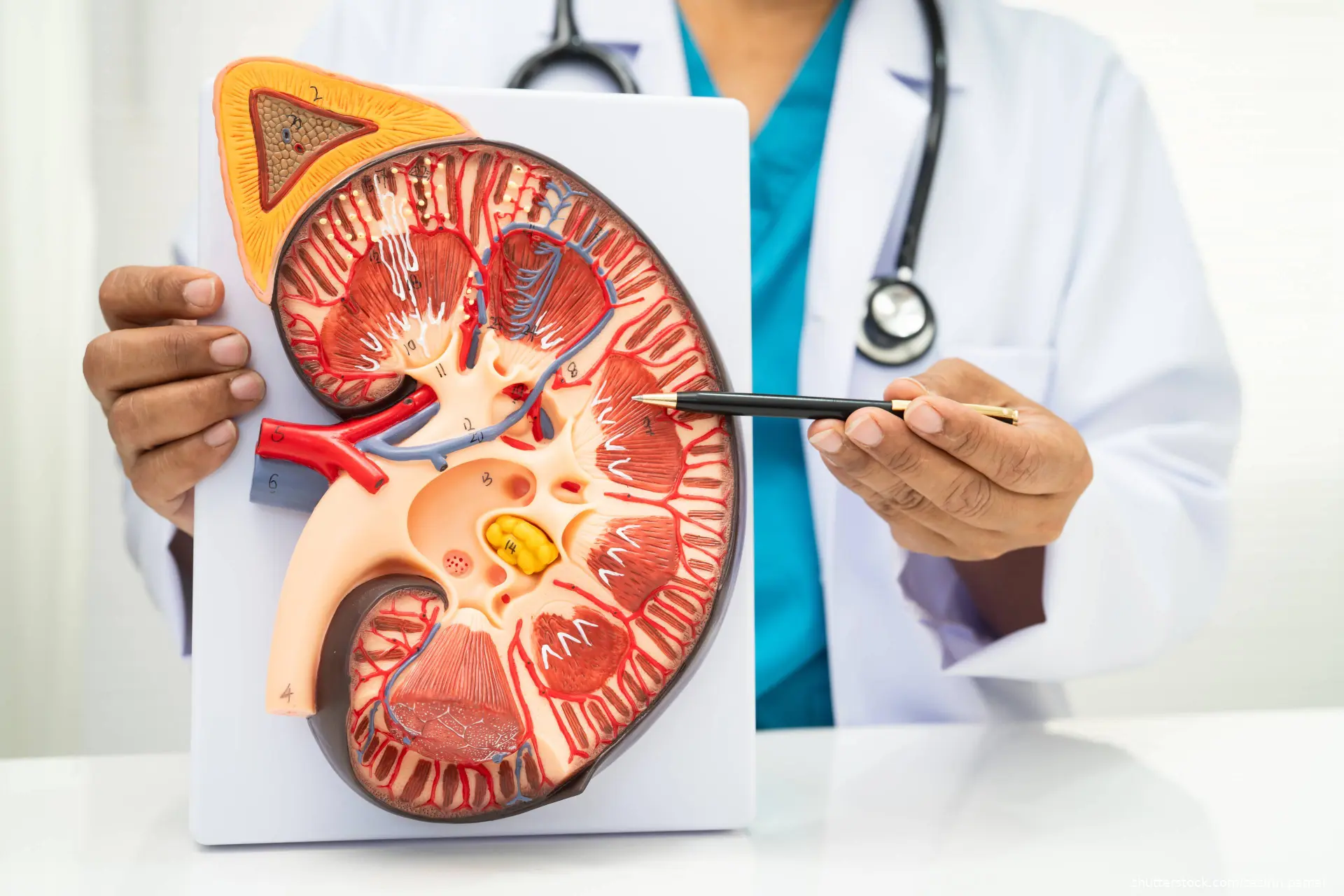
A history of peritoneal dialysis–related peritonitis was associated with higher risks of graft failure and death after kidney transplantation in a retrospective cohort study published in JAMA Network Open.
The analysis included 4,957 adults in the Australia and New Zealand Dialysis and Transplant Registry who began kidney replacement therapy with peritoneal dialysis and underwent transplantation from 2006 through 2024. Investigators evaluated biopsy-proven acute rejection, death-censored graft failure, and all-cause mortality according to peritonitis history, timing, episode count, and severity.
During a median follow-up of 6.0 years, 1,483 patients had experienced peritonitis before transplantation. A history of peritonitis was associated with graft failure after multivariable adjustment (adjusted hazard ratio [aHR], 1.55; 95% CI, 1.26-1.90). Peritonitis within 6 months before transplantation carried the highest graft-failure risk (aHR, 2.28; 95% CI, 1.73-3.00), while peritonitis that led to transfer to hemodialysis was associated with an aHR of 1.99 (95% CI, 1.49-2.67).
Overall, 730 patients died during follow-up. A history of peritonitis was associated with higher all-cause mortality (aHR, 1.25; 95% CI, 1.06-1.48). Recent peritonitis was also associated with higher risks of acute rejection and graft failure. The groups differed in obesity, comorbidity burden, smoking history, and dialysis duration, and residual confounding cannot be excluded.
The investigators said the findings support comprehensive pretransplant assessment and longitudinal risk stratification for patients transitioning from peritoneal dialysis to kidney transplantation. The study establishes associations and does not show that peritonitis itself caused the adverse outcomes.
Source: Jiang N, Tunbridge M, Ryan EG, et al. Peritoneal dialysis–related peritonitis and kidney transplant outcomes. JAMA Netw Open. 2026;9(8):e2630144. doi:10.1001/jamanetworkopen.2026.30144
Advertisement
Today's Joke
Cartoon Slide Show

Quiz
Medical Trivia 9/9/2026
1 questions · ≈ 1 min
to compete in the ranking.
×
Loading