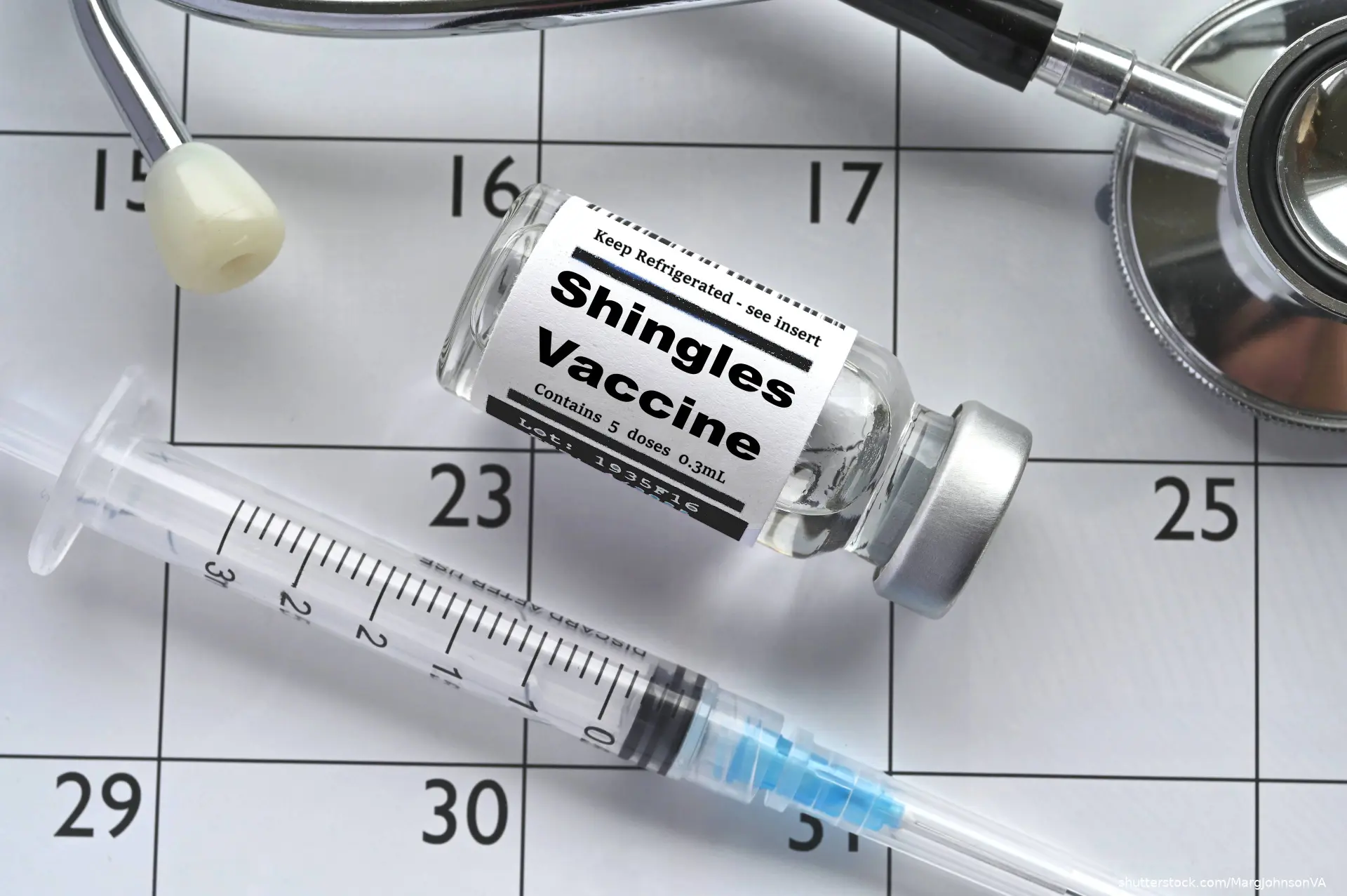
A natural-experiment study found that receipt of the recombinant herpes zoster vaccine was associated with a lower cardiovascular disease burden over 7 years than receipt of the live attenuated vaccine among adults aged 60 years or older. The findings were published August 26 in Nature Medicine.
Investigators used electronic health record data from the TriNetX US Collaborative Network, comparing people vaccinated during April through September 2017, when 98.6% received the live vaccine, with those vaccinated during the same months in 2018, when 93.5% received the recombinant vaccine. Propensity-score matching produced 2 cohorts of 36,460 patients balanced on measured characteristics.
The primary composite outcome included ischemic heart disease, ischemic stroke, and heart failure. Recombinant vaccination was associated with a 9% reduction in cardiovascular burden over 7 years compared with live vaccination (restricted mean time lost ratio, 0.91; 95% CI, 0.88-0.95). The association was observed in both females and males and attenuated during later follow-up.
For individual outcomes, recombinant vaccination was associated with 10% lower ischemic heart disease burden and 12% lower heart failure burden in both sexes. A 12% reduction in ischemic stroke burden was observed among males. Atrial fibrillation burden was 7% lower, while no associations were identified for myocarditis, peripheral arterial disease, hemorrhagic stroke, or transient ischemic attack.
The investigators said the natural-experiment design mitigated healthy-vaccinee bias by comparing 2 groups that had chosen shingles vaccination, but emphasized that the findings do not establish causality. Diagnoses were not independently validated, socioeconomic and lifestyle data were limited, and unmeasured differences between cohorts could remain. The authors called for clinical trials and mechanistic studies.
Source: Corsi-Zuelli F, Li F, Upthegrove R, et al. Recombinant shingles vaccination and the risk of cardiovascular events. Nat Med. Published online August 26, 2026. doi:10.1038/s41591-026-04606-0
Advertisement
Today's Joke
Cartoon Slide Show
Quiz
Medical Trivia 9/9/2026
1 questions · ≈ 1 min
to compete in the ranking.
×
Loading