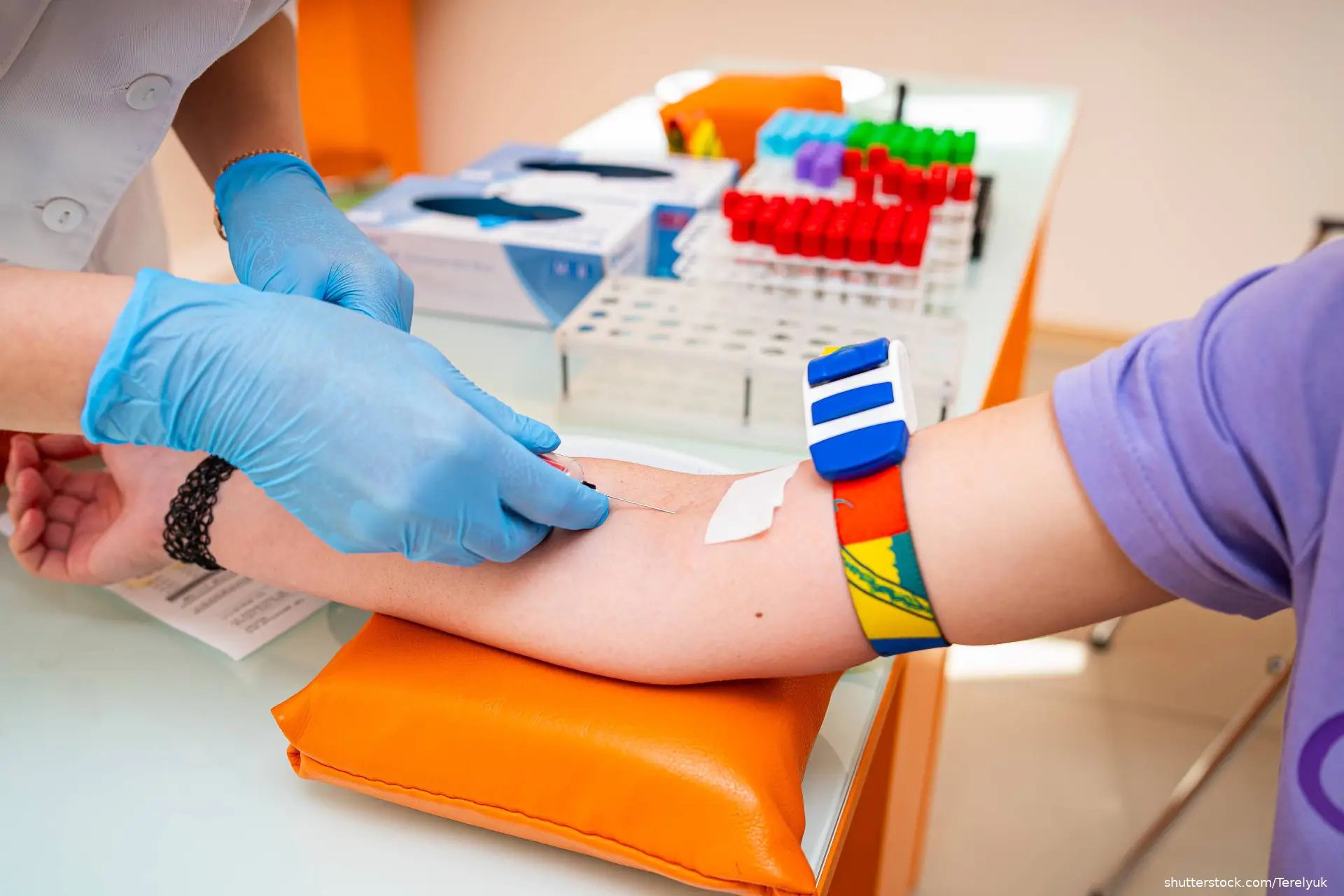
Nontargeted hepatitis C virus (HCV) screening in emergency departments (EDs) was cost-effective compared with targeted screening or no ED screening, according to a simulation-modeling economic evaluation published in JAMA Internal Medicine.
Investigators used the Hepatitis C Cost-Effectiveness (HEP-CE) model to simulate a cohort of 500 million individuals presenting to US EDs (mean age, 46.3 years) using data from 147,498 participants in the DETECT Hep C trial, drawn from EDs at Denver Health Medical Center, Johns Hopkins Hospital, and the University of Mississippi Medical Center. They compared no ED HCV screening, targeted screening, and nontargeted screening over a lifetime horizon from a health sector perspective. Costs were in 2024 US dollars, future costs and benefits were discounted 3% annually, and an incremental cost-effectiveness ratio (ICER) below $100,000 per quality-adjusted life-year (QALY) gained was considered cost-effective.
Nontargeted screening yielded the best clinical and cost-effectiveness outcomes, curing 65.89% of infections, with an ICER of $12,820 per QALY gained. No ED screening and targeted screening cured 65.60% and 65.88% of infections, respectively, and yielded fewer QALYs. Discounted costs were similar across the 3 strategies ($214,465 for nontargeted screening, $214,467 for no screening, and $214,462 for targeted screening).
The authors noted that absolute benefits appeared narrow because more than 90% of those screened did not have HCV, but that benefits were clear among people living with HCV infection.
They concluded that implementing routine nontargeted HCV screening in EDs provides good economic value and could be an important pillar of HCV elimination.
Source: Czoty LMW, Munroe S, Stewart E, et al; DETECT Hep C Trial Investigators. Cost-effectiveness of HCV screening in emergency departments using DETECT Hep C trial results. JAMA Intern Med. Published online October 19, 2026. doi:10.1001/jamainternmed.2026.5163
Advertisement
Today's Joke
Cartoon Slide Show
Quiz

Medical Trivia 10/30/2026
1 questions · ≈ 1 min
to compete in the ranking.
×
Loading