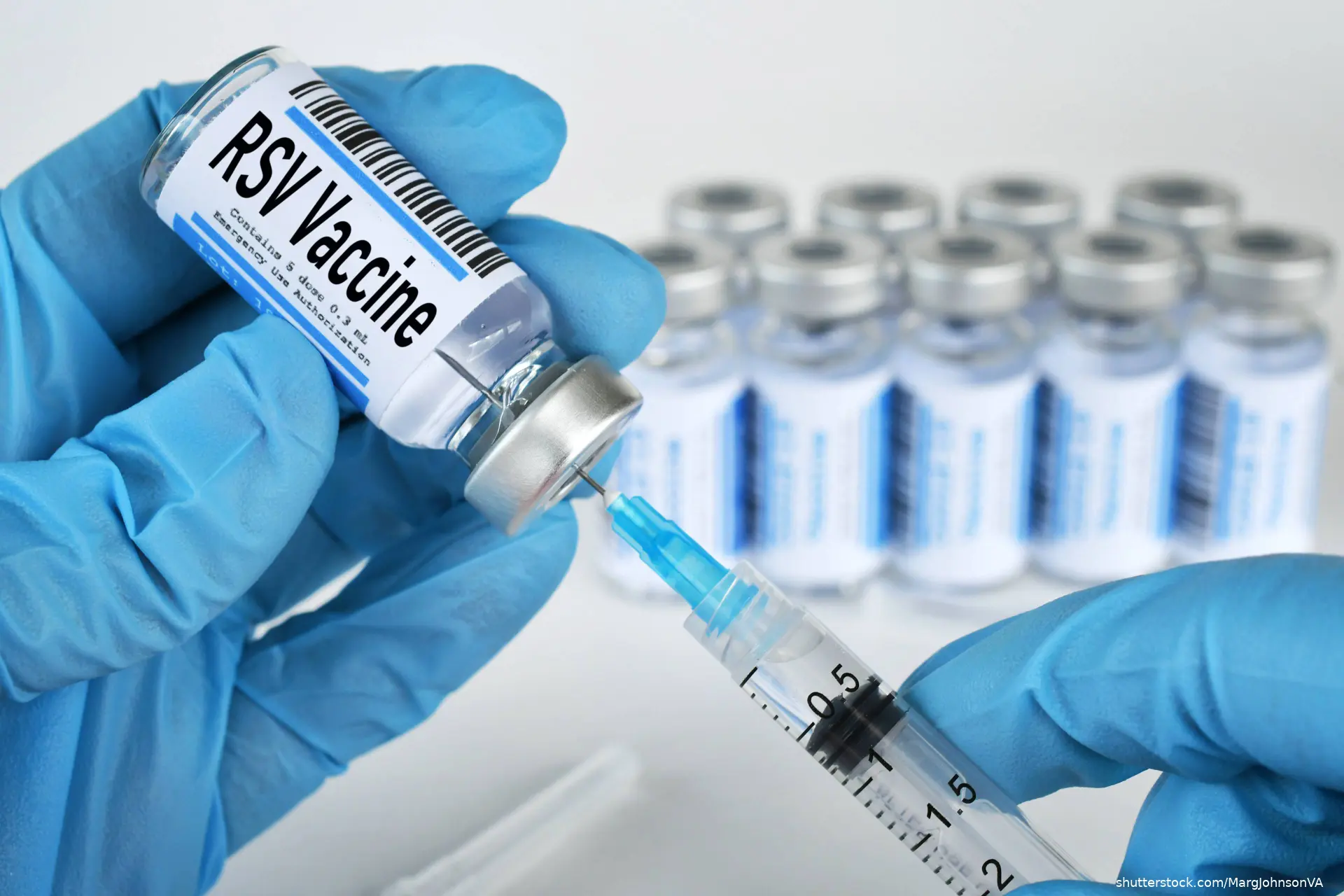
Respiratory syncytial virus (RSV) vaccination was associated with fewer RSV-associated hospitalizations and deaths among US nursing home residents aged 65 years or older, according to a retrospective cohort study published in JAMA Internal Medicine. The analysis evaluated vaccine effectiveness during the first season RSV vaccines were available.
Investigators analyzed Medicare fee-for-service claims from September 10, 2023, through March 30, 2024. Eligible beneficiaries had resided in a US nursing home for at least 1 day during the study period and had continuous enrollment in Medicare Parts A and B for the preceding year and in Part D beginning June 21, 2023.
The study included 597,430 beneficiaries, of whom 66% were female. The median age was 82 years. Vaccine effectiveness against RSV-associated hospitalization was 73% (95% CI, 65%-79%), while effectiveness against RSV-associated death was 56% (95% CI, 39%-69%).
Effectiveness against severe RSV-associated outcomes was 59% (95% CI, 44%-70%). Severe outcomes included intensive care unit or critical care unit admission, medical ventilator use, or RSV-associated death. Vaccination was also associated with 66% effectiveness against RSV-associated thromboembolic events (95% CI, 44%-79%). Diagnoses and outcomes were identified from claims using relevant International Classification of Diseases and Related Health Problems, Tenth Revision codes.
For RSV-associated hospitalization, estimated effectiveness was 60% among beneficiaries aged 65 to 74 years and 75% among those aged 75 years or older. The investigators concluded that vaccination was associated with improved RSV-associated outcomes in this nursing home population during the vaccines’ first season of availability.
Source: Wiegand RE, Sung H, Zhang Y, et al. Respiratory syncytial virus vaccine effectiveness in Medicare beneficiaries residing in nursing homes. JAMA Intern Med. Published online August 31, 2026. doi:10.1001/jamainternmed.2026.3841
Advertisement
Today's Joke
Cartoon Slide Show
Quiz
Medical Trivia 9/9/2026
1 questions · ≈ 1 min
to compete in the ranking.
×
Loading