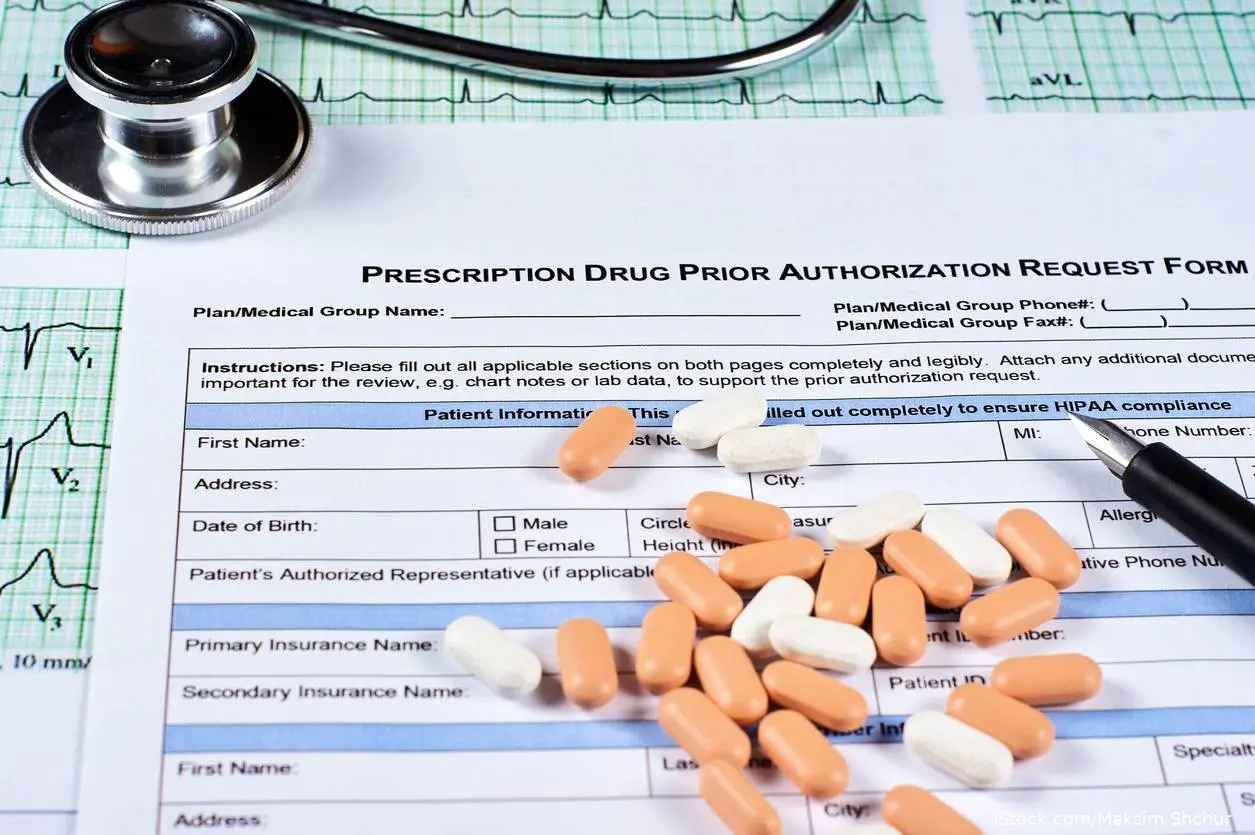
Insurance formulary restrictions were common and frequently delayed or prevented access to single-source branded drugs in a large US pharmacy-claims analysis published in JAMA.
The retrospective, all-payer cohort study used IQVIA Formulary Impact Analyzer data from January 2018 through September 2024. Investigators studied approximately 1.17 million people making more than 2 million first attempts to fill single-source branded drug prescriptions across commercial insurance, marketplace plans, Medicaid, Medicare Advantage prescription drug plans, and stand-alone Medicare Part D plans.
Overall, 68.0% of initial fill attempts were paid. The remaining attempts were rejected because of formulary exclusion (14.8%) or utilization management requirements such as prior authorization or step therapy (17.2%). Formulary-based rejections increased from 24.3% in 2018 to 40.7% in 2024.
Among prescriptions initially rejected, 38.6% were eventually filled for the original drug within 90 days, and 13.0% were filled for another medication in the same therapeutic class. Nearly half, 48.4%, had no fill for the original medicine or a therapeutic substitute within 90 days. For those who did obtain the original or substitute drug, the mean delay was 12.2 days.
The authors concluded that formulary rejections are frequent, increasing over time, and often associated with delayed or absent treatment, underscoring the trade-off between cost control and medication access.
Sources: Levy JF, Alexander GC, Vabson B, Ippolito BN. Formulary-related insurance denials of single-source branded drugs in the United States. JAMA. Published online July 9, 2026. doi:10.1001/jama.2026.8702
Advertisement
Today's Joke
Cartoon Slide Show
Quiz
Medical Trivia 9/9/2026
1 questions · ≈ 1 min
to compete in the ranking.
×
Loading