TACE Plus Thermal Ablation Extends Survival in HCC
NewsJuly 31, 2026 at 11:42
Updated at August 05, 2026 at 15:01
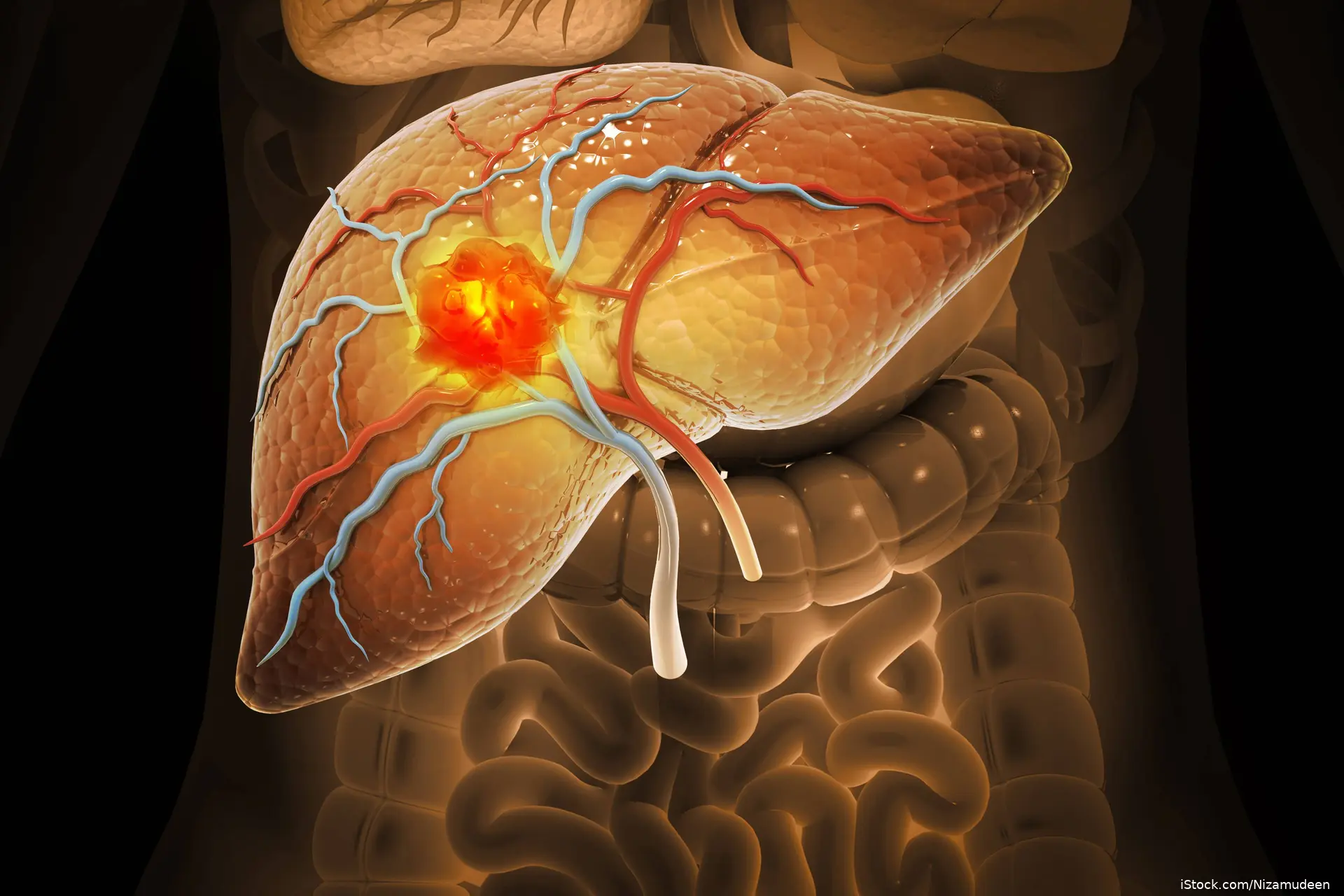
Sequential transarterial chemoembolization (TACE) and thermal ablation improved outcomes for patients with liver-confined unresectable hepatocellular carcinoma (HCC) in the phase 3 TORCH randomized clinical trial, according to results published in JAMA Oncology
The open-label trial enrolled 241 patients with Barcelona Clinic Liver Cancer stage B disease at two tertiary medical centers in China. Participants were assigned to TACE followed by selective radiofrequency ablation or to TACE alone. The primary endpoint was progression-free survival by RECIST guidelines for solid tumors version 1.1.
Median progression-free survival was 17.7 months in the TACE-ablation group and 7.3 months in the TACE-alone group (hazard ratio, 0.47; 95% CI, 0.34-0.65; P<.001). Overall survival also favored the combination strategy, with median survival of 88.6 months versus 35.1 months (hazard ratio, 0.50; 95% CI, 0.34-0.73; P<.001).
Grade 3 or 4 treatment-related adverse events occurred in 23.2% of patients in the combination group and 18.3% in the TACE-alone group. The investigators concluded that sequential TACE-ablation could be a feasible treatment option for this population.
Sources: Lyu N, Yi JZ, Wu XT, et al. Transarterial chemoembolization plus thermal ablation in unresectable hepatocellular carcinoma: the phase 3 TORCH randomized clinical trial. JAMA Oncol. Published online July 30, 2026. doi:10.1001/jamaoncol.2026.2366
Advertisement
Today's Joke
Cartoon Slide Show


Quiz

Medical Trivia 9/9/2026
1 questions · ≈ 1 min
to compete in the ranking.
×
Loading