Twenty-Year Lancet Trial Revisits Patellar Resurfacing in Total Knee Replacement
NewsJune 25, 2026 at 10:56
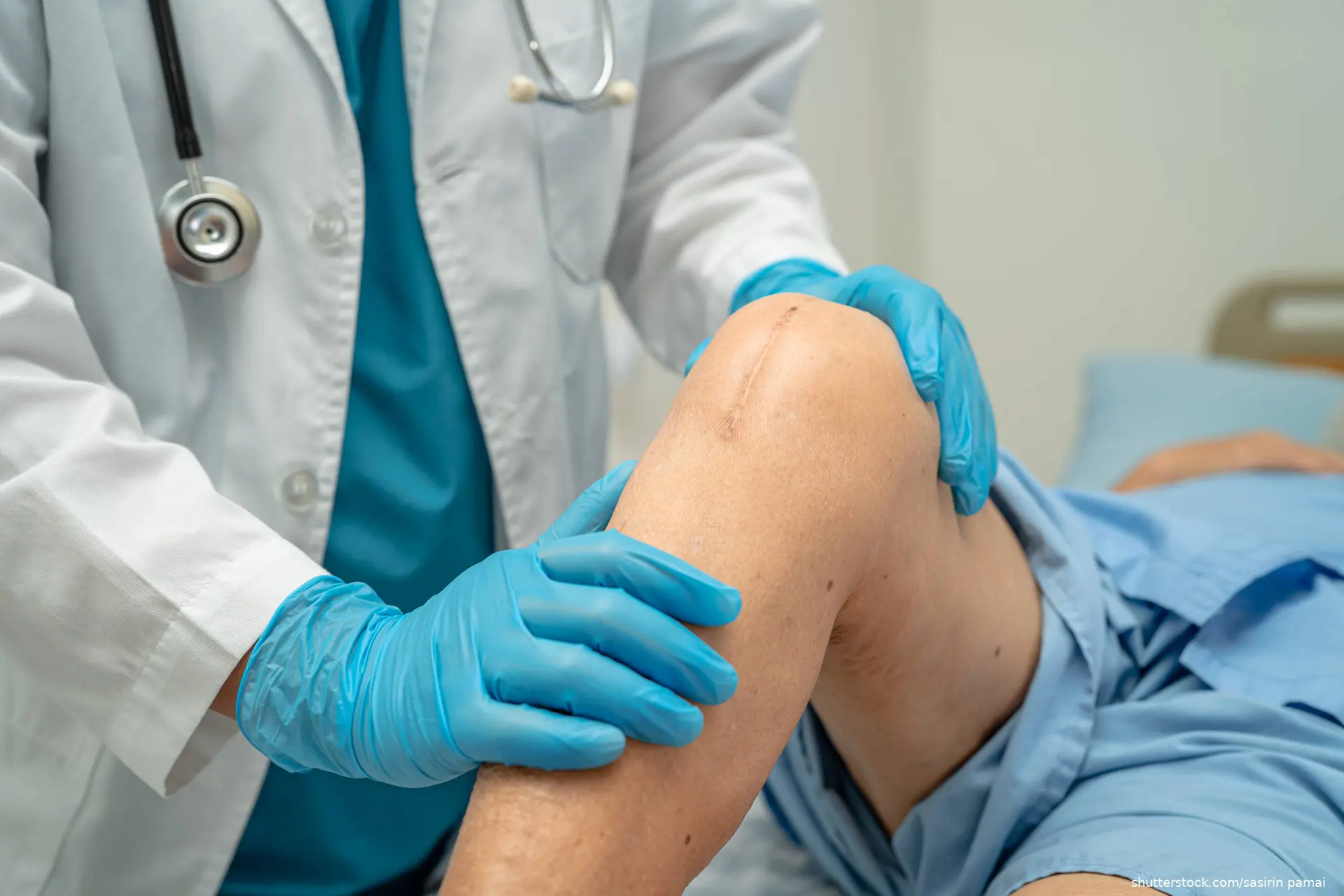
A large UK randomized controlled trial published in The Lancet found that patellar resurfacing during total knee replacement (TKR) did not significantly improve the primary clinical outcome compared with no resurfacing but resulted in significantly more quality-adjusted life-years (QALYs) in the primary economic analysis over 20 years.
The study evaluated 20-year clinical and economic outcomes from the Knee Arthroplasty Trial, a pragmatic, multicenter, open-label randomized controlled trial initiated in 1999. The trial addressed ongoing uncertainty over whether the patella should be resurfaced during primary TKR. Previous randomized trials had been underpowered and had follow-up periods of 10 years or less.
Between April 8, 1999, and January 13, 2003, investigators randomly assigned 1715 adults undergoing primary TKR to receive patellar resurfacing or no resurfacing. A total of 861 participants were assigned to resurfacing and 854 to no resurfacing. The primary clinical outcome was the Oxford Knee Score (OKS), with secondary measures including quality of life, costs, cost-effectiveness, and subsequent knee surgery.
At the 20-year follow-up, 132 participants in the resurfacing group and 110 in the non-resurfacing group provided outcome data. The marginal analysis incorporated earlier data from participants who died or did not have 20-year data. The marginal difference in OKS over the full follow-up period was 0.76 points (95% CI, –0.08 to 1.59; P=0.076), favoring resurfacing but not reaching statistical significance. Other clinical outcomes also generally favored resurfacing, although the differences were not significant.
In the primary analysis, the resurfacing group accrued significantly more QALYs than the non-resurfacing group (7.295 vs 6.884; difference, 0.380; 95% CI, 0.061-0.700; P=0.020). However, the difference was smaller and not statistically significant in a sensitivity analysis that assumed no difference in mortality between groups (7.209 vs 6.964; difference, 0.183; 95% CI, –0.034 to 0.400; P=0.10). Overall health care costs were similar between groups. The authors reported that patellar resurfacing had a 99% probability of being cost-effective at thresholds above £10,000 per QALY gained and concluded that the overall evidence was weighted toward resurfacing as the likely first-choice approach.
Source: Murray DW, Hudson J, Dakin H, et al. Patellar resurfacing in total knee replacement: 20-year clinical and economic results of a large multicentre, randomised controlled trial in the UK. Lancet. Published online June 17, 2026. doi:10.1016/S0140-6736(26)00652-5
Advertisement
Today's Joke
Cartoon Slide Show

Quiz
Medical Trivia 9/9/2026
1 questions · ≈ 1 min
to compete in the ranking.
×
Loading