Updated COVID-19 Vaccines Associated With Reduced Hospitalization
NewsSeptember 03, 2026 at 10:00
Updated at September 04, 2026 at 09:48

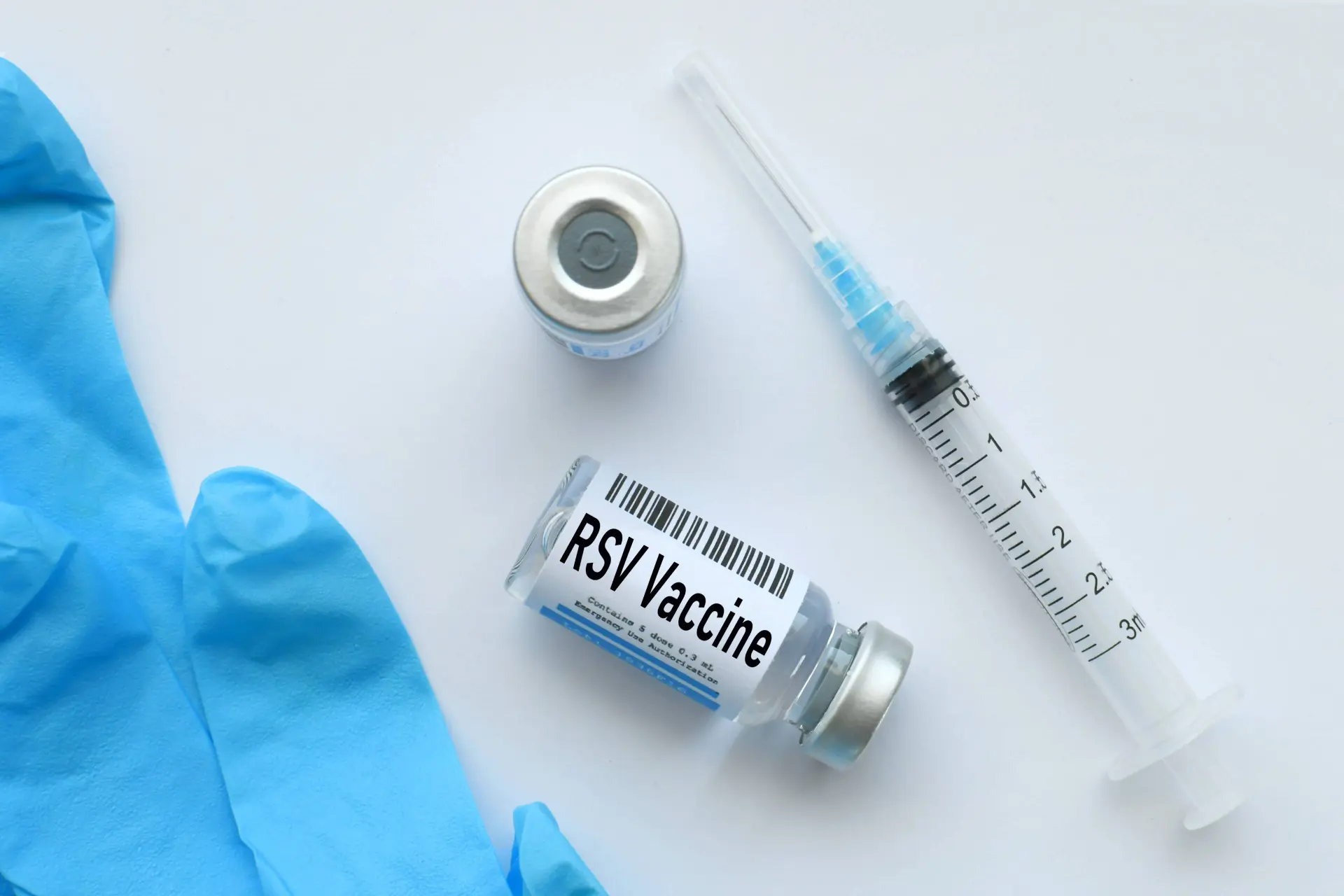
Updated COVID-19 vaccines were associated with lower hospitalization risks across multiple age and risk groups, and no new safety signals were identified, according to a systematic review published in JAMA. The review examined vaccine effectiveness, safety, and US SARS-CoV-2 epidemiology for the 2026-2027 respiratory season.
Investigators searched the Cochrane Central Register of Controlled Trials, PubMed/MEDLINE, Embase, and Scopus from August 1, 2025, through June 29, 2026. Studies were eligible if they assessed the effectiveness, efficacy, or safety of a US-licensed COVID-19 vaccine or SARS-CoV-2 epidemiology in the US. Of 11,829 identified references, 155 publications were eligible: 15 randomized clinical trials, 84 comparative observational studies, 38 single-group product safety studies, and 18 descriptive disease-burden studies.
For the 2025-2026 season, updated vaccines were associated with 53.0% effectiveness against COVID-19-related hospitalization among adults aged 65 years or older (95% CI, 37.0%-65.0%). Among adults aged 18 to 64 years in the 2024-2025 season, estimated effectiveness was 54.0% (95% CI, 1.0%-78.0%).
Maternal vaccination was associated with fewer COVID-19-associated emergency department or urgent care encounters among vaccinated pregnant individuals (vaccine effectiveness, 58.0%; 95% CI, 24.0%-77.0%) and fewer COVID-19-related hospital contacts during the first 2 months of life among their infants (effectiveness range, 50.0%-54.0%), regardless of vaccination trimester. Vaccination was also associated with 76.0% effectiveness against COVID-19-related emergency department or urgent care encounters among children aged 9 months to 4 years and with a lower risk of critical COVID-19 illness among immunocompromised adults (effectiveness range, 32.0%-53.0%).
Safety profiles for adverse events of special interest, including stroke, thrombosis, and myocarditis, were consistent with previous reviews, and no new safety signals were identified. The authors noted that the review covered a defined period and did not represent the totality of evidence; risk-of-bias and generalizability concerns should inform interpretation, and studies without appropriate comparator groups cannot support causal inference.
Source: Lipson RA, Senerth E, Watson MA, et al. COVID-19 vaccine effectiveness and safety for the 2026-2027 respiratory season. JAMA. Published online September 2, 2026. doi:10.1001/jama.2026.18191
Advertisement
Today's Joke
Cartoon Slide Show
Quiz
Medical Trivia 9/9/2026
1 questions · ≈ 1 min
to compete in the ranking.
×
Loading