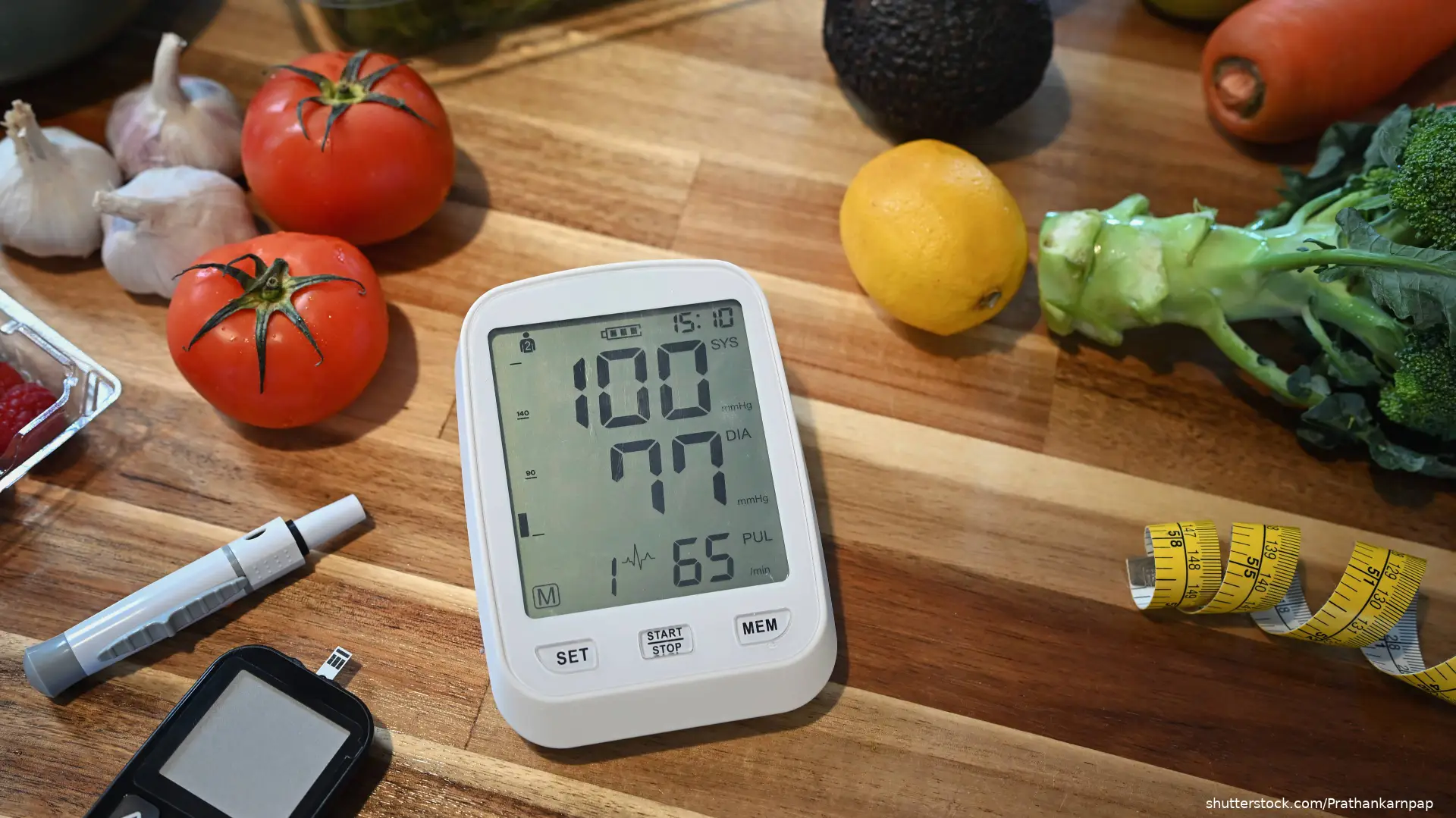
Greater weight loss with glucagon-like peptide-1 receptor agonists (GLP-1RAs) and multi-hormone receptor modulators (MHRMs) was associated with larger reductions in systolic blood pressure (BP) across phase 3 obesity trials, according to a systematic review and meta-regression published in eClinicalMedicine.
The investigators noted that GLP-1RAs and emerging MHRMs induce substantial weight loss alongside modest BP reductions, but the extent to which weight loss is associated with BP lowering across these therapies had remained unclear. MHRMs typically combine GLP-1 receptor agonism with activation of other hormone receptors, such as glucose-dependent insulinotropic polypeptide, glucagon, and amylin receptors.
The analysis included 37 placebo-controlled phase 3 randomized trials, with 50,171 adults with overweight or obesity, that were designed for obesity treatment rather than glycemic control. Agents studied were semaglutide, tirzepatide, liraglutide, cagrilintide-semaglutide, orforglipron, mazdutide, and ecnoglutide. Median treatment duration was 68 weeks; 57% of participants had hypertension and 16% had type 2 diabetes. Mean placebo-adjusted weight loss was 10.1%, accompanied by a 4.9mmHg systolic BP reduction (95% CI, 4.3-5.5). In meta-regression, differences in weight loss explained 76% of the between-trial variance in systolic BP reduction, corresponding to a 0.37mmHg reduction (95% CI, 0.28-0.45) per 1% change in body weight.
Systolic BP fell by 3.1mmHg in trials with less than 5% weight loss and by 8.1mmHg in trials with more than 15% weight loss. Tirzepatide (7.1mmHg) and mazdutide (6.4mmHg) produced the largest systolic BP decreases. Reductions were smaller in trials enrolling participants with diabetes than in those without (3.5 vs 5.4mmHg).
The authors cautioned that the trial-level meta-regression is susceptible to ecological bias and should not be interpreted as evidence of individual-level association or causality. BP was not a primary endpoint in the included trials, and measurements were predominantly in-office. The investigators concluded that the findings support pharmacological weight-loss therapies as an adjunct strategy for BP management in obesity.
Source: Nardone M, Kugathasan L, Daunt L, et al. Weight loss and blood pressure lowering with GLP-1 receptor agonists and multi-hormone receptor modulators in overweight and obesity: a systematic review and meta-regression of phase 3 clinical trials. EClinicalMedicine. 2026;101:104251. doi:10.1016/j.eclinm.2026.104251


Advertisement
Today's Joke
Cartoon Slide Show

Quiz
Medical Trivia 10/30/2026
1 questions · ≈ 1 min
to compete in the ranking.
×
Loading