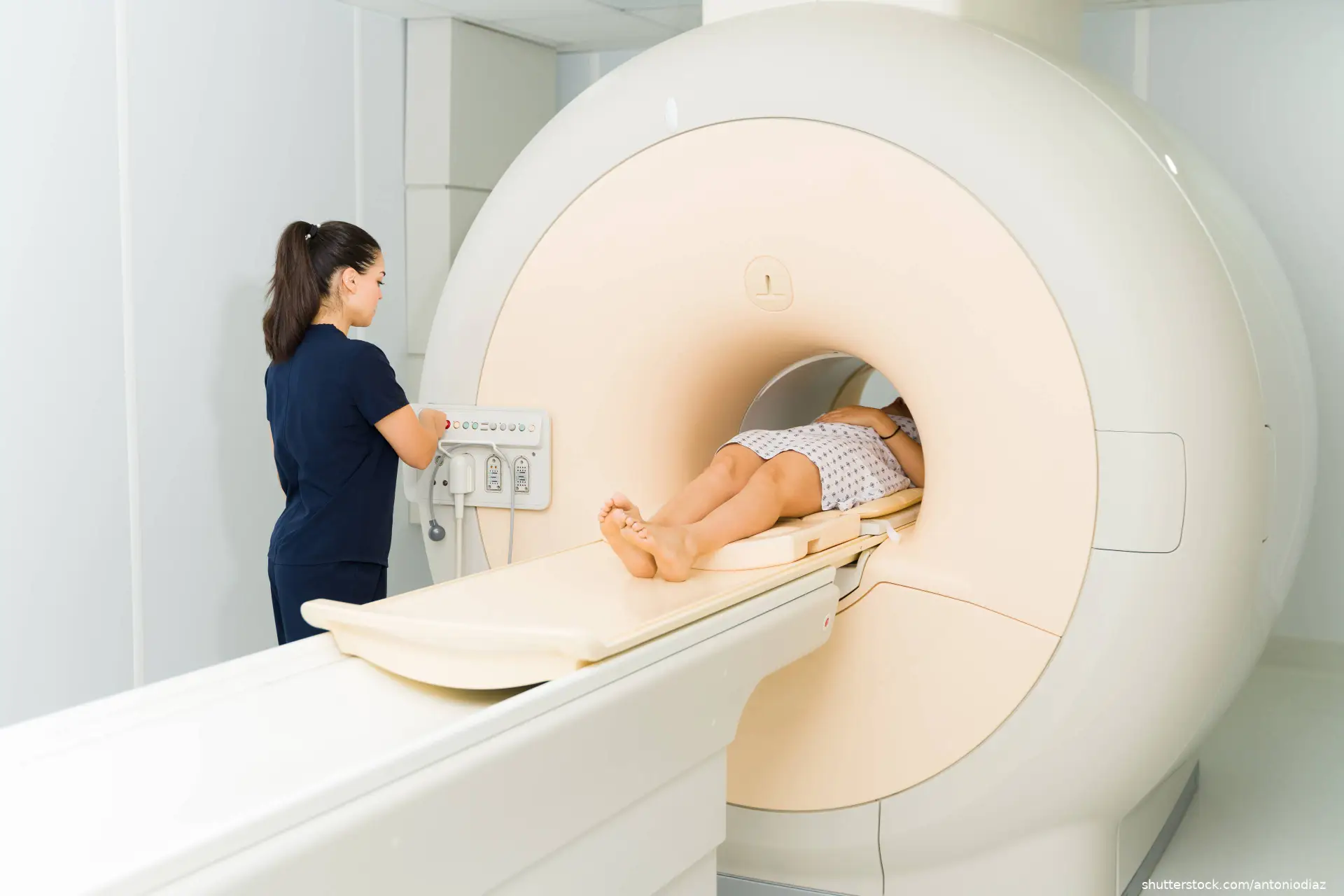
Whole-body magnetic resonance imaging (WBMRI) performed without an evidence-based indication identified a finding in most individuals screened, but most examinations were normal or produced findings that did not require follow-up, according to a systematic review and meta-analysis published in the Journal of General Internal Medicine.
The investigators, most of whom are affiliated with Weill Cornell Medicine, noted that WBMRI is marketed as a multi-disease screening modality, including through direct-to-consumer services, while its diagnostic yield and clinical utility for population-based screening are uncertain. They searched MEDLINE, Embase, and CENTRAL from inception through August 2025 for studies reporting WBMRI findings in populations without an evidence-based indication.
The analysis included 17 studies comprising 18,043 individuals, which the authors described as heterogeneous and low quality. Overall, 78.0% (95% CI, 44.9-93.9) had a finding reported, and 16.9% had no findings. Nonmalignant actionable findings were reported in 14.8% (95% CI, 6.6-30.0), most commonly hepatic steatosis, pulmonary nodules, and uterine fibroids. Among individuals with these findings, 58.2% pursued additional laboratory work and/or imaging, and 20.8% underwent a subsequent procedure.
Pathologically confirmed malignancy was identified in 1.4% (95% CI, 0.9-2.2), estimated from 4,463 participants because several major studies did not report pathologically confirmed outcomes. Results of subsequent evaluation were not reported, so false-positive and overdiagnosis rates could not be calculated. Between-study heterogeneity was substantial (I² >90% across most analyses); all studies came from non-US healthcare systems, and the pooled cohort was 64.9% male. The funnel plot for malignancy demonstrated asymmetry consistent with publication bias or selective reporting.
The authors concluded that clinical outcomes associated with discovery of actionable lesions are unknown and that high-quality observational data or randomized trials are needed to inform the efficacy of WBMRI for multi-disease screening.
Source: Ahsan MD, Frontera N, Gurram A, et al. The diagnostic yield of whole-body MRI as a multi-disease screening modality: a systematic review and meta-analysis. J Gen Intern Med (2026). doi:10.1007/s11606-026-10802-y

Advertisement
Today's Joke
Cartoon Slide Show


Quiz

Medical Trivia 10/30/2026
1 questions · ≈ 1 min
to compete in the ranking.
×
Loading