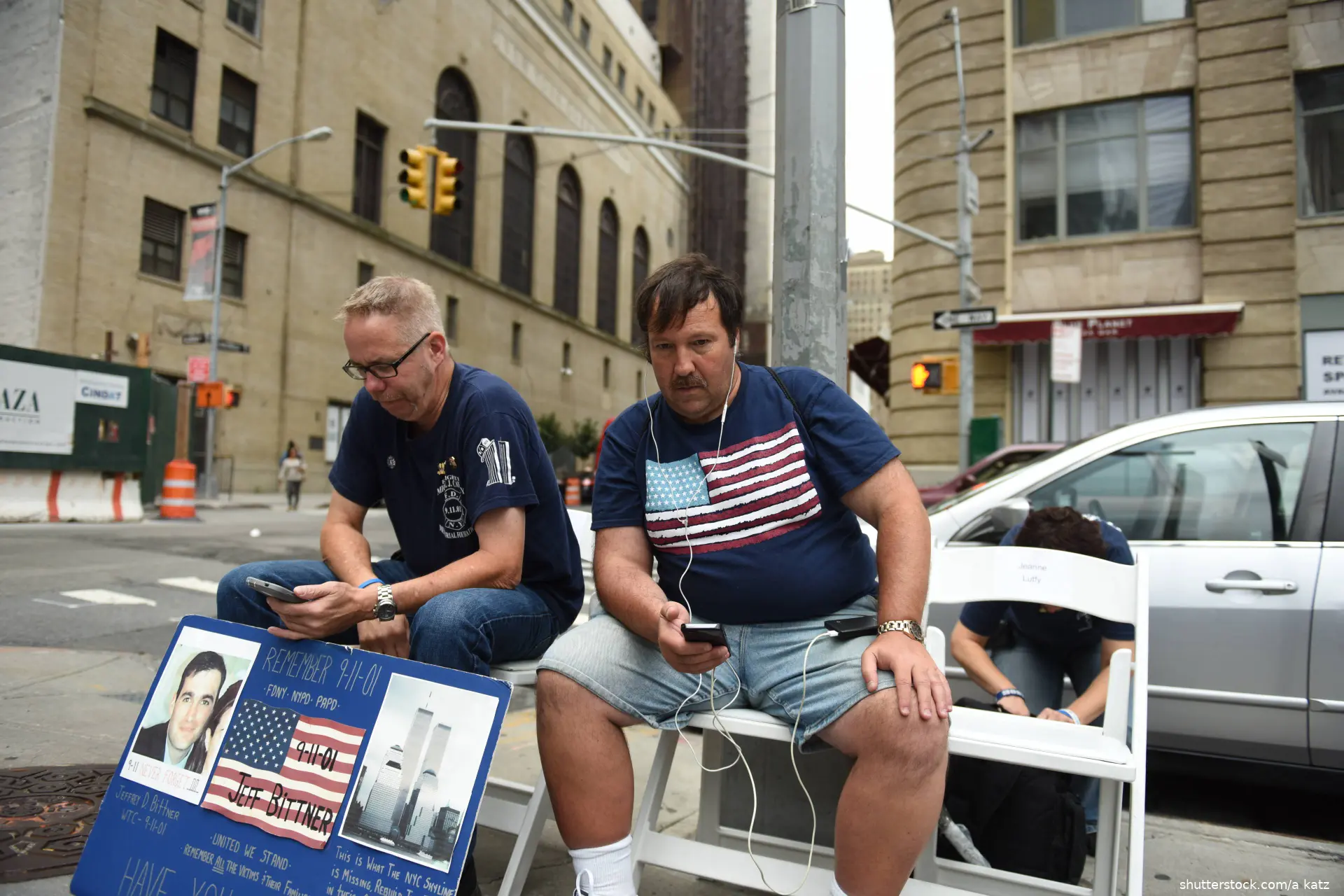
Post-traumatic growth can involve positive psychological changes as people adapt to adversity, according to a CDC World Trade Center (WTC) Health Program resource released ahead of the 25th anniversary of September 11.
Published July 21, 2026, the resource was written by Sandra Lowe, MD, Director of Mental Health at Mount Sinai’s Clinical Center of Excellence, with James Cone, MD, MPH, Medical Director of the WTC Health Registry.
The authors distinguish growth from resilience, which involves regaining previous functioning or “bouncing back.” Growth, or “bouncing forward,” may involve altered priorities, closer relationships, or a stronger sense of meaning. Some members continue to experience grief or symptoms of post-traumatic stress disorder and depression.
Research in WTC-exposed populations suggests associations between growth, social support, and confidence in managing challenges. Time since trauma and healthy coping strategies may also play a role.
The authors describe reflection as potentially helpful for coping and recognizing changing support needs. Members can contact their Clinical Center of Excellence or Nationwide Provider Network about mental health resources. Growth is not universal, and responses to trauma vary.
Source: Lowe S, Cone J. Finding meaning after trauma: reflections on post-traumatic growth. CDC World Trade Center Health Program. July 21, 2026. Accessed September 10, 2026.
Advertisement
Today's Joke
Cartoon Slide Show

Quiz

Medical Trivia 9/9/2026
1 questions · ≈ 1 min
to compete in the ranking.
×
Loading