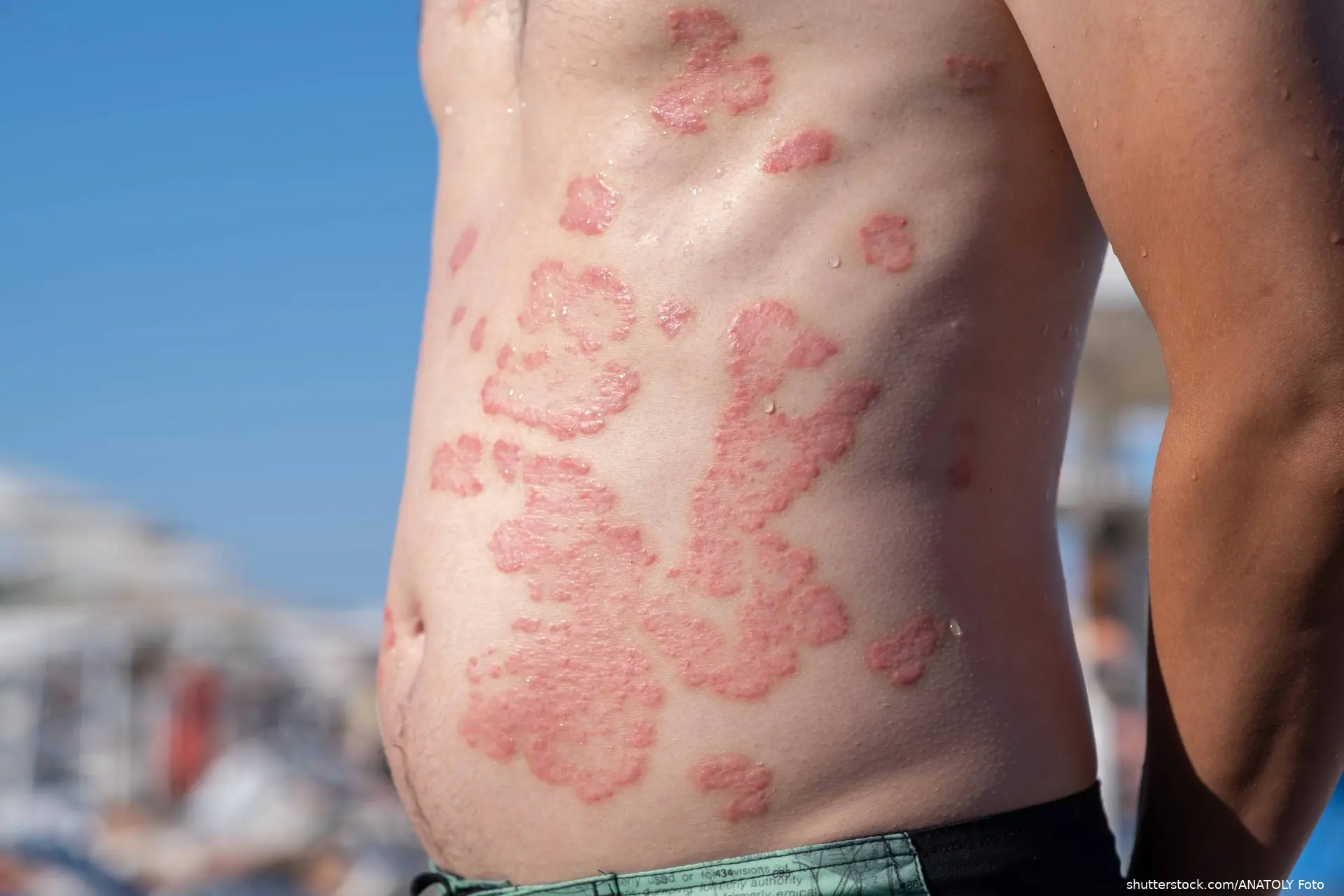
The FDA accepted a new drug application for zasocitinib (TAK-279, Takeda) for Priority Review for adults with moderate-to-severe plaque psoriasis, according to a company announcement. Zasocitinib is an investigational, once-daily oral tyrosine kinase 2 inhibitor. The Prescription Drug User Fee Act target action date is in the first quarter of 2027.
The submission is supported by the phase 3 LATITUDE PsO 3001 and 3002 trials, which enrolled 693 and 1,108 participants, respectively, across 21 countries. The global, multicenter, randomized, double-blind studies compared zasocitinib with placebo and apremilast. Coprimary endpoints were static Physician Global Assessment scores of 0 or 1, indicating clear or almost clear skin, and Psoriasis Area and Severity Index (PASI) 75 responses versus placebo at week 16.
At week 16, clear or almost clear skin was achieved by 71% of zasocitinib recipients versus 11% receiving placebo in LATITUDE PsO 3001, and by 69% versus 13% in LATITUDE PsO 3002. PASI 75 response rates were 76% versus 12% and 71% versus 12%, respectively. These comparisons favored zasocitinib with P<0.001. Takeda reported that the coprimary and all 44 ranked secondary endpoints were met.
Takeda also reported improvements involving the scalp, nails, palms, and soles, with skin clearance increasing through week 52. Common adverse events included upper respiratory tract infection (10.1%), acne (6.5%), and nasopharyngitis (6.2%). Takeda reported no new safety signals and described the safety profile as consistent with previous studies. The application also includes supportive findings from LATITUDE PsO 3003, an open-label study evaluating long-term safety, tolerability, and efficacy.
The European Medicines Agency also accepted a marketing authorization application for zasocitinib in moderate-to-severe plaque psoriasis. Takeda plans additional regulatory submissions internationally. Zasocitinib remains investigational and has not been approved by any regulatory authority.
Source: Takeda. US FDA accepts new drug application under Priority Review for Takeda’s zasocitinib in moderate-to-severe plaque psoriasis, with potential to redefine oral treatment expectations. News release. Takeda; September 14, 2026. Accessed September 15, 2026.

Advertisement
Today's Joke
Cartoon Slide Show


Quiz
Medical Trivia 9/9/2026
1 questions · ≈ 1 min
to compete in the ranking.
×
Loading