ACC Frames 2026 Guideline as Earlier and More Individualized Lipid Risk Assessment
NewsJuly 09, 2026 at 01:51
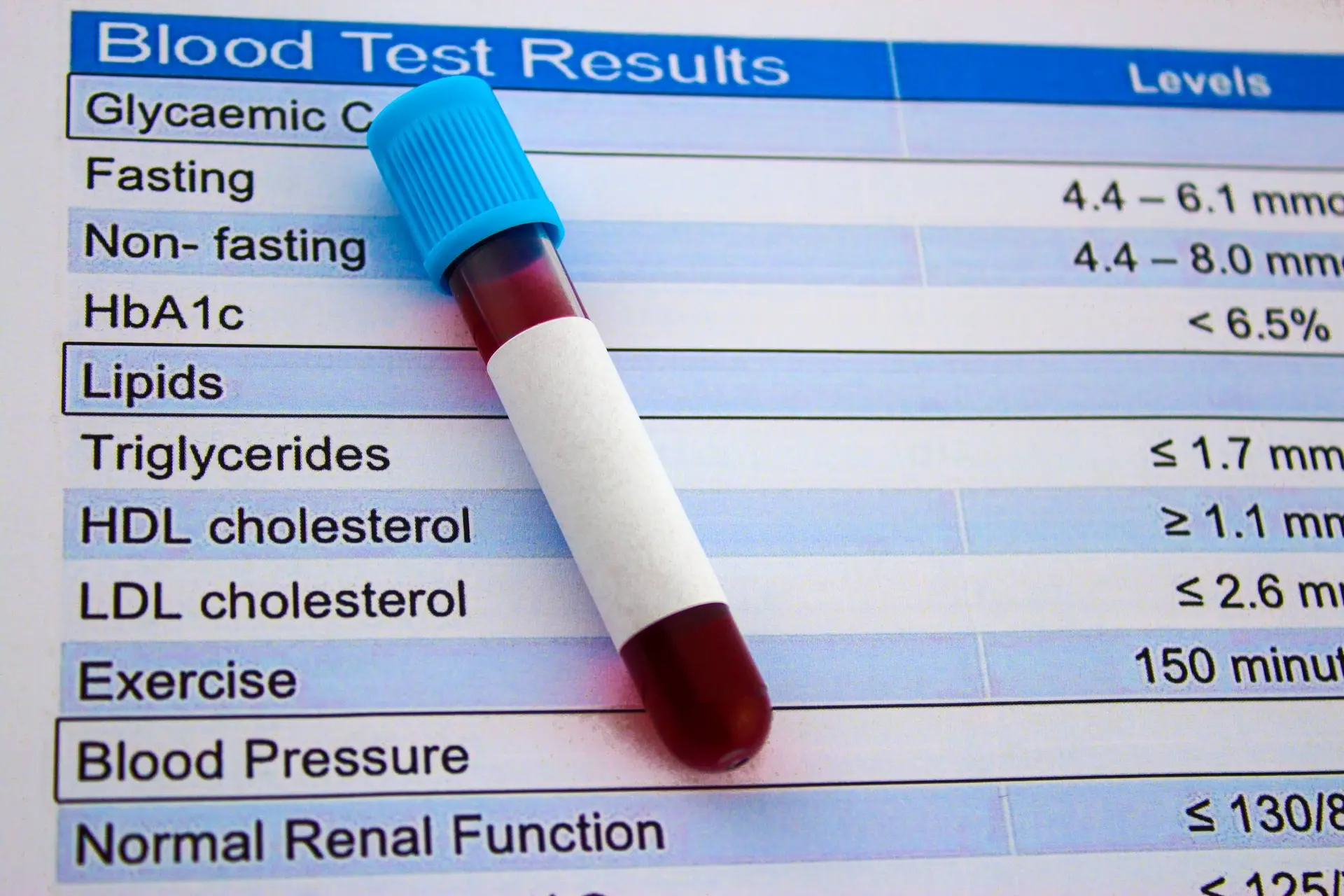
The American College of Cardiology (ACC) highlighted key practice changes from the 2026 American College of Cardiology/American Heart Association (AHA) Dyslipidemia Guideline, emphasizing earlier intervention and lower low-density lipoprotein cholesterol (LDL-C) goals to reduce long-term atherosclerotic cardiovascular disease (ASCVD) risk.
The ACC article describes the guideline as a “one-stop shop” for evaluating, managing, and monitoring dyslipidemias, including high blood cholesterol, hypertriglyceridemia, and elevated lipoprotein(a) (Lp[a]). The guideline introduces a “CPR” model for risk assessment: calculate 10- and 30-year risk using the PREVENT score, personalize risk using factors not included in PREVENT, and reclassify patients based on additional tools such as coronary artery calcium (CAC) scoring.
The guideline reintroduces absolute LDL-C and non–high-density lipoprotein cholesterol (non–HDL-C) treatment goals. For patients with high 10-year PREVENT ASCVD risk of 10% or higher, lipid-lowering therapy (LLT) is recommended to reach LDL-C less than 70mg/dL and non–HDL-C less than 100mg/dL. For adults with borderline or intermediate risk, the goals are LDL-C less than 100mg/dL and non–HDL-C less than 130mg/dL.
The ACC article also notes that Lp(a) measurement is recommended at least once in every adult’s lifetime. According to the article, this is the first time the ACC/AHA guideline has included universal screening and genetic cascade screening recommendations for Lp(a). The guideline also recognizes apolipoprotein B (ApoB) measurement as useful in selected patients and upgrades CAC scoring to a level 1 recommendation for risk stratification beyond PREVENT scores.
The article states that the guideline expands primary prevention considerations to include adults aged 40 to 75 years with chronic kidney disease stage 3 or higher or HIV, regardless of LDL-C or PREVENT score. It also highlights reproductive risk markers, including adverse pregnancy outcomes, early menopause, and polycystic ovarian syndrome, as factors that can support more personalized ASCVD risk assessment.
Sources: Dagen N, McCarthy C, Ramirez V. Prioritizing health | lower sooner: how the 2026 dyslipidemia guideline changes practice. Cardiology Magazine. American College of Cardiology; July 1, 2026. Accessed July 9, 2026.

Advertisement
Today's Joke
Cartoon Slide Show


Quiz

Medical Trivia 9/9/2026
1 questions · ≈ 1 min
to compete in the ranking.
×
Loading