New CKM Syndrome Guideline Reframes Risk
NewsJuly 01, 2026 at 12:59
Updated at September 02, 2026 at 14:04
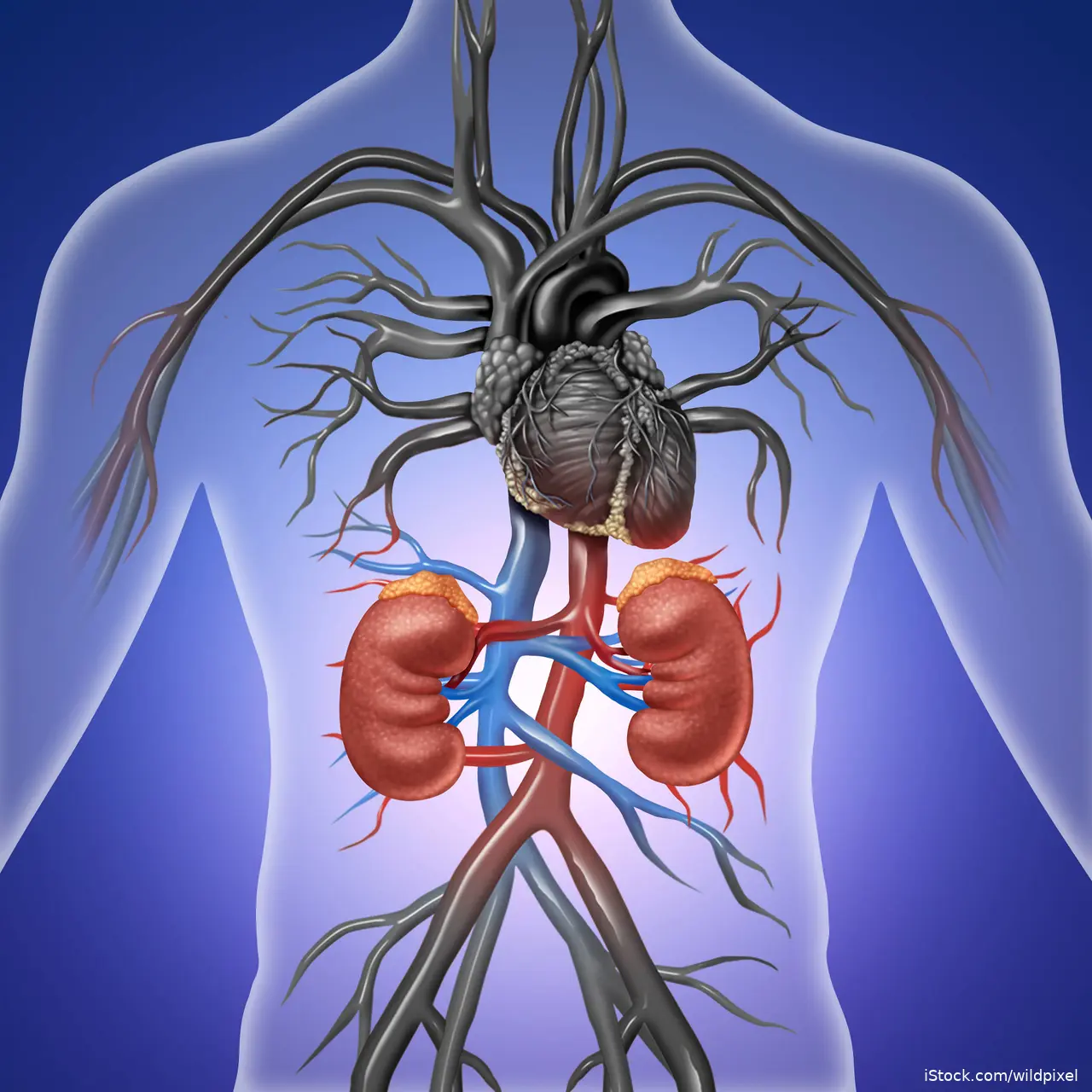
The American Heart Association (AHA), American College of Cardiology (ACC), American Diabetes Association (ADA), and American Society of Nephrology (ASN) issued the first comprehensive clinical practice guideline for cardiovascular-kidney-metabolic (CKM) syndrome. Officially entitled 2026 AHA/ACC/ADA/ASN Guideline for the Prevention, Detection, Evaluation, and Management of Cardiovascular-Kidney-Metabolic Syndrome is intended as a framework to unify risk detection and management across conditions often handled by different specialties. The new guideline expands and replaces the 2013 AHA, ACC and The Obesity Society (TOS) Adult Obesity Guideline, according to the AHA.
The 2026 guideline defines CKM syndrome around the interconnections among metabolic risk factors, chronic kidney disease, and cardiovascular disease. The primary intended audience for this guideline includes cardiologists, endocrinologists, nephrologists, primary care physicians, and other clinicians caring for patients across the CKM spectrum. The guideline highlights outcome-specific risk thresholds for staging, earlier risk detection, routine assessment of metabolic and kidney health, and use of Predicting Risk of Cardiovascular Disease EVENTs (PREVENT) equations for risk-based management. PREVENT equations estimate 10-year and 30-year risk for total cardiovascular disease (CVD), including atherosclerotic CVD (ASCVD) and heart failure (HF). It is the first risk tool to combine cardiovascular, kidney, and metabolic health measures to guide primary prevention-focused treatment decisions.
The guideline was developed after a literature search from October 29, 2024, to April 14, 2025, covering clinical studies, systematic reviews, meta-analyses, and other evidence published since 2015. The societies frame the document as a living, working resource rather than a single-specialty update. For US clinicians, the change is not just terminology: it formally moves obesity, type 2 diabetes, CKD, and cardiovascular disease into one risk construct that may affect screening, referral, preventive pharmacotherapy, and communication across specialties.
Source(s):


Advertisement
Today's Joke
Cartoon Slide Show


Quiz

Medical Trivia 9/9/2026
1 questions · ≈ 1 min
to compete in the ranking.
×
Loading