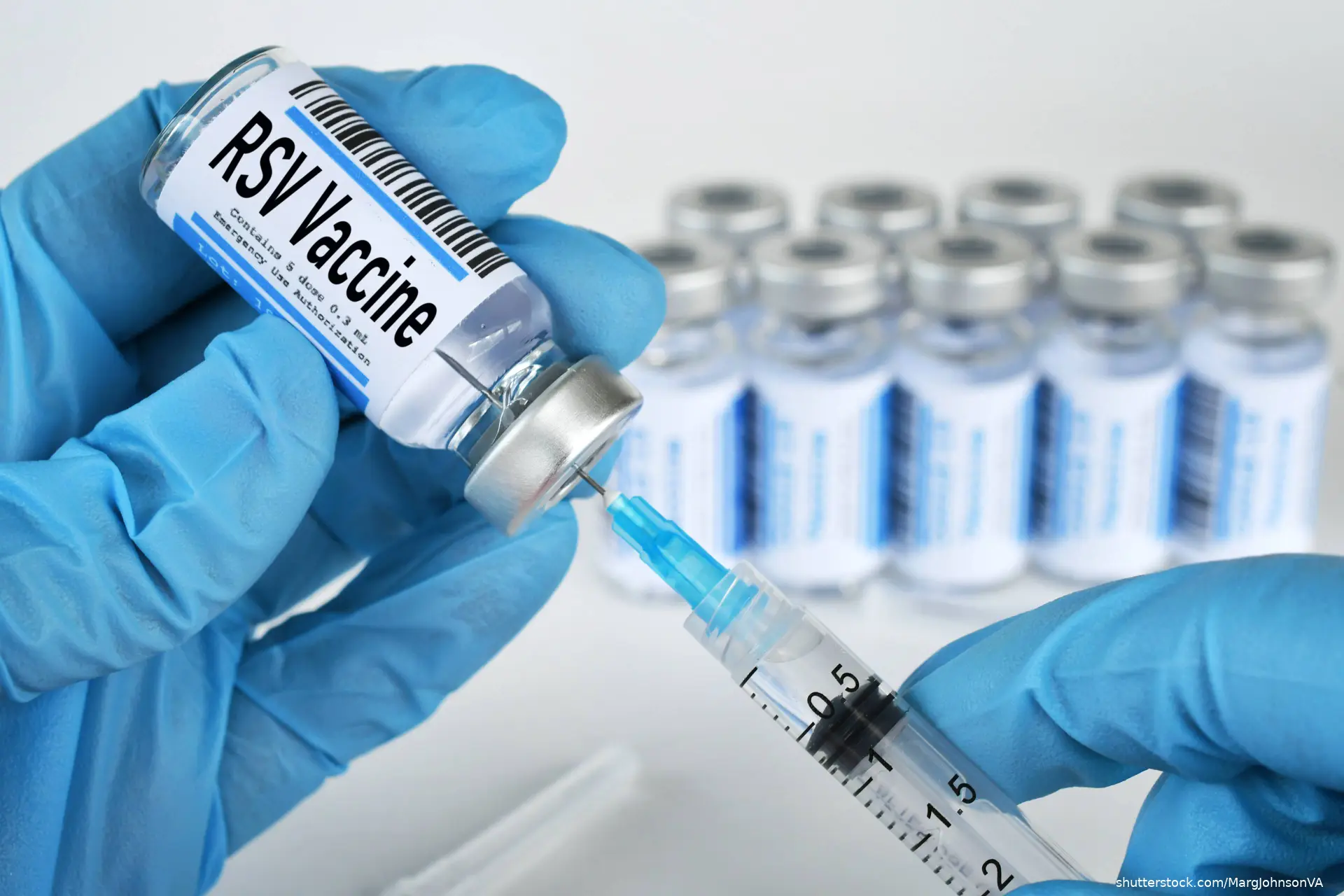
Respiratory syncytial virus (RSV) activity occurred unusually late in most US regions from July 2025 through June 2026, while annual RSV-associated hospitalization rates did not exceed those of 2022 to 2025, according to a CDC report published in Morbidity and Mortality Weekly Report (MMWR).
The report summarized data from 6 public health surveillance systems. Nationally, RSV season onset occurred during the week ending November 29, 2025, activity peaked during the week ending February 28, 2026, and the season ended during the week ending April 25, 2026, later than in past seasons. Most US jurisdictions extended use of RSV monoclonal antibodies for infants into April, the report noted.
RSV-associated hospitalization rates were highest among infants younger than 12 months (790.2 per 100,000), children aged 12 to 23 months (611.9), and adults aged 75 years or older (352.1). The overall annual rate of 97.3 per 100,000 was lower than in 2022 to 2025. Newly established national pediatric mortality surveillance provisionally identified 34 RSV-associated deaths in children; of 17 infants age-eligible for an RSV monoclonal antibody, 3 had received one, 11 had not, and status was unknown for 3. Sequencing found no substitutions associated with reduced susceptibility to the available infant RSV monoclonal antibodies.
SARS-CoV-2 circulated nationally with peaks in August 2025 and January 2026. COVID-19–associated hospitalization rates were highest among adults aged 75 years or older (361.2 per 100,000), infants younger than 6 months (173.3), and adults aged 65 to 74 years (111.4). Among 31 provisionally reported COVID-19–associated pediatric deaths, none of the 18 vaccine-eligible children with known status had received a COVID-19 vaccine. Most lineages were JN.1 descendants, the second consecutive year without a major strain replacement, although detections of BA.3.2, a highly divergent variant, increased.
CDC recommends that infants in their first RSV season be protected through maternal vaccination (Abrysvo, Pfizer) or an infant monoclonal antibody (nirsevimab or clesrovimab), and that a single RSV vaccine dose be given to all adults aged 75 years or older and to adults aged 50 to 74 years at increased risk. The report noted that COVID-19 antivirals remain underused. Limitations included passive, voluntary laboratory reporting, imprecise genomic estimates, and provisional pediatric mortality data that likely undercount deaths.
Source: Winn AK, Anglin O, Anderson EL, et al. Respiratory virus activity — United States, July 2025–June 2026. MMWR Morb Mortal Wkly Rep. 2026;75(45):662-668. doi:10.15585/mmwr.mm7545a2


Advertisement
Today's Joke
Cartoon Slide Show


Quiz

Medical Trivia 11/24/2026
1 questions · ≈ 1 min
to compete in the ranking.
×