Today's Joke
Cartoon Slide Show


Quiz

Medical Trivia 11/24/2026
1 questions · ≈ 1 min
to compete in the ranking.
×
Loading

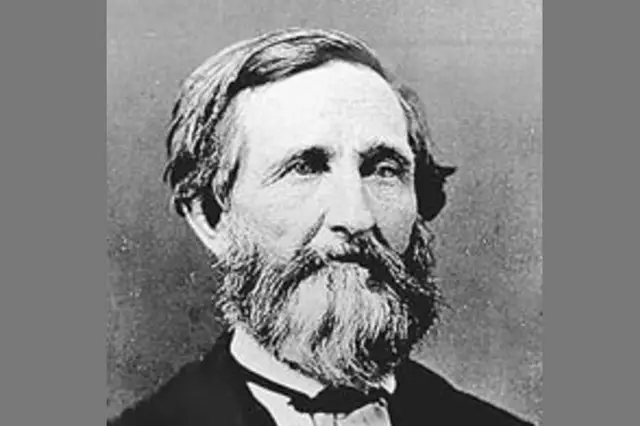
United States | Physician, surgeon, pharmacist
Known for: Early surgical use of ether anesthesia.
Birthday: November 1, 1815
Why he matters: Crawford Long performed one of the earliest documented surgical operations using ether anesthesia, demonstrating that surgery could be conducted without the pain previously considered unavoidable.
At a Glance
Key Milestones
| Date | Contribution |
| March 30, 1842 | Removed a neck tumor from James Venable using ether anesthesia. |
| June 6, 1842 | Removed a second tumor from Venable under ether. |
| July 3, 1842 | Performed a toe amputation using ether anesthesia. |
| December 1849 | Published his account of early ether anesthesia in the Southern Medical and Surgical Journal. |
| June 16, 1878 | Died at age 62, in Athens, Georgia due to a stroke shortly after delivering a baby. |
Impact on Medicine Today: His work is part of the history of surgical anesthesia, which made increasingly complex and humane surgical care possible.
Editorial references: Journal of Investigative Surgery · Smithsonian · New Georgia Encyclopedia
Image Credit: Historical portrait of Crawford W. Long, public domain, via Wikimedia Commons
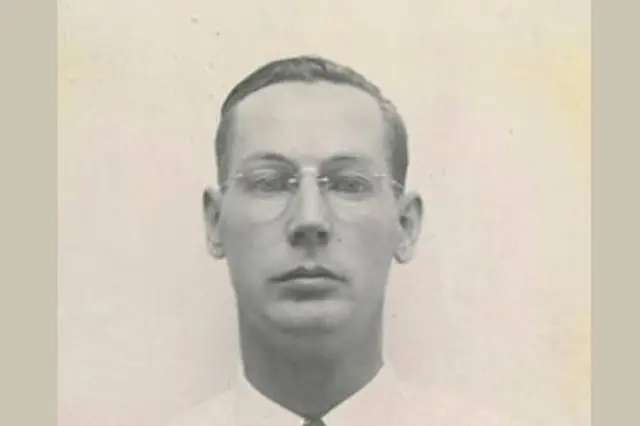
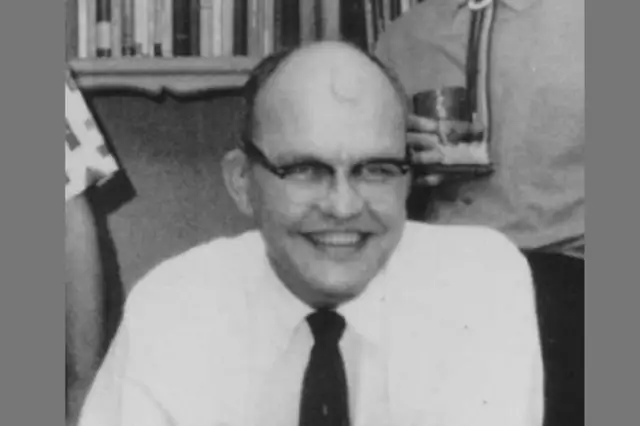
United States | Physics and medical technology
Known for: Inventing the first successful betatron
Birthday: November 1, 1911
Why he matters: Kerst's invention, the betatron, accelerated electrons using magnetic induction, helping establish technologies that contributed to medical radiation physics and modern particle accelerators.
At a Glance
Key Milestones
| Date | Contribution |
| 1937 | Earned his doctorate in physics from the University of Wisconsin. |
| July 15, 1940 | His Betatron operational at the University of Illinois. |
| August 1943 | Selected to lead a physics group at Los Alamos. |
| 1953–1957 | Served as technical director of the Midwestern Universities Research Association. |
| August 19, 1993 | Died at the age of 81 in Madison, Wisconsin due to a brain tumor. |
Impact on Medicine Today: Electron accelerators are central to modern radiation oncology, although contemporary clinical linear accelerators are different machines from Kerst's original betatron.
Editorial References: National Academy of Sciences · University of Illinois
Image Credit: Los Alamos National Laboratory, Attribution, via Wikimedia Commons
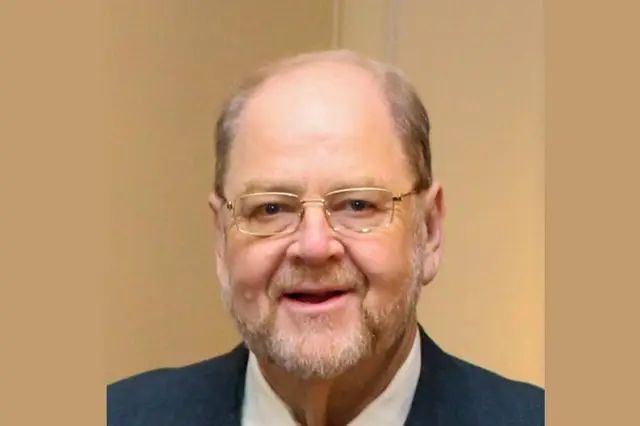
United Kingdom | Embryology and evolutionary biology
Known for: Research connecting development and evolution
Birthday: November 1, 1899
Why he matters: De Beer helped establish the importance of embryonic development in understanding evolution and challenged older assumptions about how anatomical structures arise.
At a Glance
Key Milestones
| Date | Contribution |
| 1922 | Graduated from Oxford and continued his academic work in zoology. |
| 1926 | Published An Introduction to Experimental Embryology. |
| 1930 | Published Embryology and Evolution. |
| 1940 | Published Embryos and Ancestors. |
| June 21, 1972 | Died at the age of 72 in Sussex, England due to a heart attack. |
Impact on Medicine Today: His research contributed to the scientific foundations of developmental biology, a field relevant to congenital abnormalities and craniofacial development. This is a foundational-science contribution rather than a direct clinical breakthrough.
Editorial references: Arizona State University Embryo Project
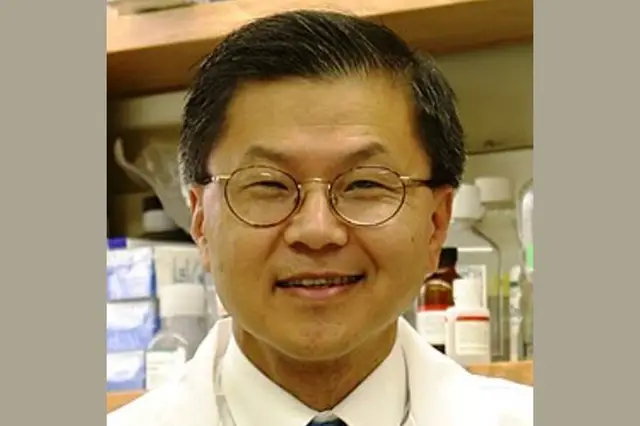
United States | Cell biology and biochemistry
Known for: Molecular machinery controlling vesicle fusion
Nobel Prize: Physiology or Medicine, 2013
Birthday: November 3, 1950
Why he matters: Rothman's research explained how cells deliver molecular cargo to precise destinations, illuminating fundamental mechanisms of secretion and cell communication.
At a Glance
Key Milestones
| Date | Contribution |
| 1971 | Graduated from Yale University. |
| 1976 | Earned his PhD from Harvard University. |
| 1980s–1990s | Conducted foundational research on vesicle transport and membrane fusion. |
| October 7, 2013 | Announced as a recipient of the Nobel Prize in Physiology or Medicine. |
| December 10, 2013 | Attended the Nobel Prize award ceremony in Stockholm. |
Impact on Medicine Today: His discoveries help explain insulin secretion, neurotransmitter release, and other processes involved in normal physiology and disease.
Editorial references: Nobel Prize · Yale University
Image Credit: U.S. Embassy Sweden / Wikimedia Commons, CC BY 2.0 (cropped from original).
Taiwan / United States | Infectious diseases and virology
Known for: HIV viral-dynamics research and combination therapy
Birthday: November 3, 1952
Why he matters: Ho helped establish that HIV replicates continuously and rapidly, providing important evidence supporting aggressive suppression of viral replication with combination antiretroviral treatment.
At a Glance
Key Milestones
| Date | Contribution |
| 1978 | Earned his MD from Harvard Medical School. |
| January 12, 1995 | Published influential research on rapid HIV turnover in Nature. |
| 1996 | Recognized as Time magazine's Person of the Year for his HIV research. |
Impact on Medicine Today: Combination antiretroviral therapy has transformed HIV infection into a manageable chronic condition for many patients, although the development of modern HIV treatment involved numerous researchers and clinical teams.
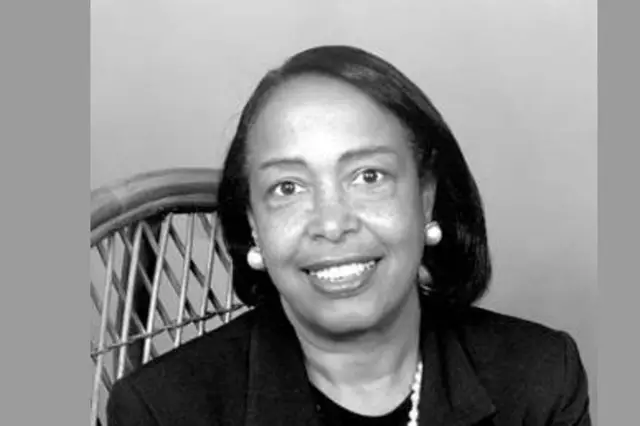
United States | Ophthalmology and medical invention
Known for: Laserphaco cataract-removal technology
Birthday: November 4, 1942
Why she matters: Bath combined cataract-surgery innovation with advocacy for equitable eye care, making significant contributions to ophthalmology and the prevention of blindness.
At a Glance
Key Milestones
| Date | Contribution |
| 1968 | Graduated from Howard University College of Medicine. |
| 1973 | Became the first African American to complete a residency in ophthalmology at New York University (NYU) |
| 1976 | Co-founded the American Institute for the Prevention of Blindness. |
| 1981 | Conceived the Laserphaco device. |
| December 1986 | Filed the patent application for her cataract-removal apparatus. |
| May 1988 | Received U.S. Patent 4,744,360 for her invention. |
| May 30, 2019 | Died in San Francisco at age 76 from complications of cancer. |
Impact on Medicine Today: Bath's work contributed to advances in cataract surgery and remains influential in discussions of health equity, ophthalmic innovation, and access to vision care.
Editorial references: Smithsonian · U.S. Patent
Image Credit: National Library of Medicine, Public Domain via Wikimedia Commons.
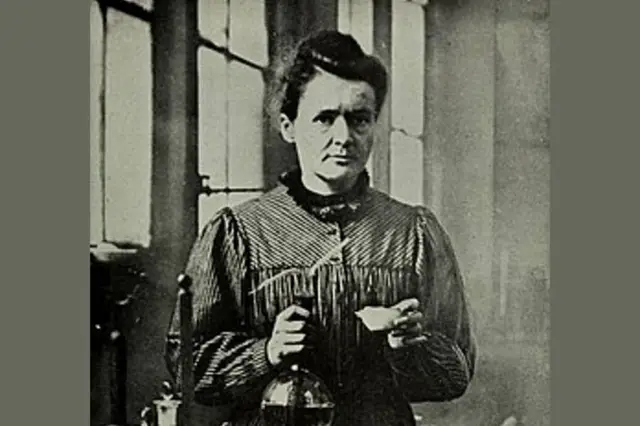
Poland / France | Physics and chemistry
Known for: Pioneering research on radioactivity
Nobel Prizes: Physics in 1903 and Chemistry in 1911
Birthday: November 7, 1867
Why she matters: Curie's discoveries helped establish the scientific foundations of radioactivity research and contributed to the development of medical imaging and radiation-based treatment. She was the first woman to win a Nobel Prize and remains the only person ever to win Nobel Prizes in two different scientific disciplines.
At a Glance
Key Milestones
| Date | Contribution |
| July 1898 | Marie and Pierre Curie announced evidence of polonium. |
| December 1898 | Announced evidence for radium with Pierre Curie and Gustave Bémont. |
| December 1903 | Shared the Nobel Prize in Physics with Pierre Curie and Henri Becquerel. |
| December 1911 | Received the Nobel Prize in Chemistry. |
| 1914–1918 | Organized mobile radiography services, and trained hundreds of operators, for wounded soldiers during World War I. |
| July 4, 1934 | Died at the age of 66, in Haute-Savoie, France of aplastic anemia, likely caused by years of radiation exposure. |
Impact on Medicine Today: Curie's research helped establish the foundations for medical uses of radioactivity, including nuclear medicine and radiotherapy. Her wartime work also expanded the practical use of X-ray imaging.
Editorial references: Nobel Prize · Curie family · Library of Congress
Image Credit: "Wide World Photos" and "Underwood and Underwood, New York", Public domain, via Wikimedia Commons.
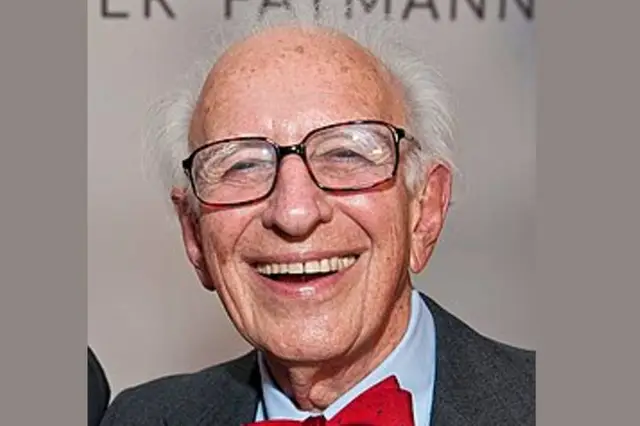
Austria / United States | Psychiatry and neuroscience
Known for: Cellular and molecular mechanisms of memory
Nobel Prize: Physiology or Medicine, 2000
Birthday: November 7, 1929
Why he matters: Kandel helped establish how changes in synaptic signaling and neuronal connections contribute to learning and memory.
At a Glance
Key Milestones
| Date | Contribution |
| 1956 | Earned his MD from New York University School of Medicine. |
| 1960s | Began foundational studies of learning and memory using Aplysia. |
| July 15, 1988 | Received the National Medal of Science at a White House ceremony. |
| December 8, 2000 | Delivered his Nobel lecture on the molecular biology of memory storage. |
Impact on Medicine Today: Kandel's discoveries inform research into learning, cognition, memory disorders, and the biological mechanisms underlying psychiatric and neurological conditions.
Editorial references: Nobel Prize · National Science Foundation · Original Nobel lecture
Image Credit: SPÖ Presse und Kommunikation, CC BY-SA 2.0, via Wikimedia Commons
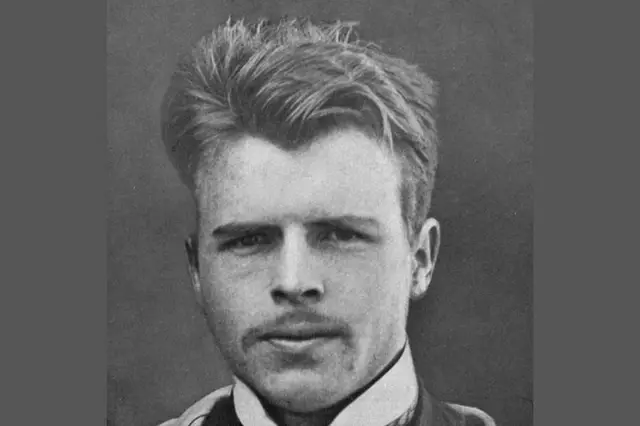
Switzerland | Psychiatry and psychological assessment
Known for: Developing the Rorschach inkblot test
Birthday: November 8, 1884
Why he matters: Rorschach developed a method of psychological assessment based on responses to ambiguous inkblot images. His work became influential in psychiatry and psychology, although the reliability and clinical validity of different uses of the test remain debated.
At a Glance
Key Milestones
| Date | Contribution |
| 1909 | Completed his medical studies at the University of Zurich. |
| 1912 | Completed his doctoral dissertation. |
| 1921 | Published Psychodiagnostik, introducing his inkblot method. |
| April 1922 | Died at age 37 in Appenzell Ausserrhoden, Switzerland from peritonitis caused by a ruptured appendix. |
Impact on Medicine Today: The Rorschach test remains historically influential in psychiatric and psychological assessment. Some standardized approaches continue to be used, but their clinical value depends on the specific application and supporting evidence.
Editorial references: University of Bern · British Journal of Psychiatry
Image Credit: Anonymous/Unknown author, Public domain, via Wikimedia Commons
United States | Electrical engineering and microelectronics
Known for: Developing the integrated circuit
Nobel Prize: Physics, 2000
Birthday: November 8, 1923
Why he matters: Kilby's invention helped revolutionize electronics by making complex circuits smaller, more reliable, and more affordable. Although not a medical researcher, his work contributed to the technologies underlying modern medical monitoring, imaging, and implantable devices. Beyond the microchip, Kilby co-invented the handheld electronic calculator (e.g., the Pocketronic) in the late 1960s and the semiconductor-based thermal printer. He also held over 60 U.S. patents.
At a Glance
Key Milestones
| Date | Contribution |
| 1947 | Graduated from the University of Illinois with a degree in electrical engineering. |
| September 1958 | Demonstrated his first working integrated circuit. |
| 2000 | Awarded the Nobel Prize in Physics. |
| June 2005 | Died in Dallas, Texas at the age of 81 due to cancer. |
Impact on Medicine Today: Integrated circuits are essential to medical technologies including portable diagnostic equipment, cardiac pacemakers, infusion pumps, imaging systems, and patient monitors.
Editorial references: Nobel Prize · National Inventors Hall of Fame
Image Credit: James R. Biard, CC BY-SA 4.0, via Wikimedia Commons (cropped)