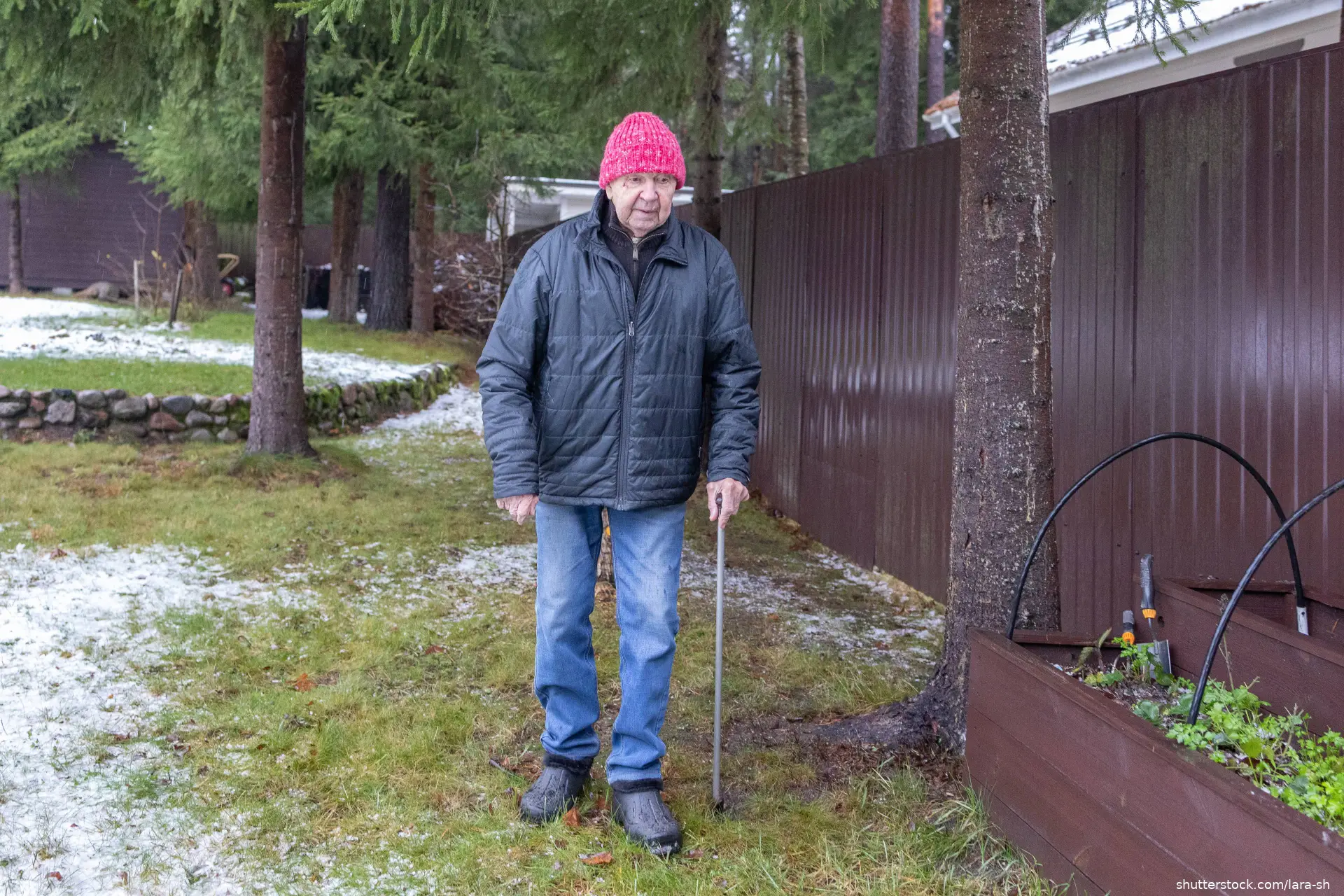
Colder daily ambient temperatures were associated with increased heart failure (HF) hospitalizations among older Medicare beneficiaries, whereas warmer temperatures were not, according to a national case-crossover study published in JAMA Network Open.
The investigators noted that the U-shaped association between ambient temperature and cardiovascular mortality is well established, but less is known about how temperature relates to HF hospitalizations among older adults in the US. They assessed the association nationally and across 9 US climate regions.
Using a 50% national random sample of Medicare fee-for-service beneficiaries aged 65 years or older, the researchers identified 1,517,756 emergency department visits leading to HF hospitalization among 996,312 patients from 2007 to 2022. Each patient served as their own control, and daily mean temperature was linked by residential ZIP code, with 75°F as the reference. Nationally, colder temperatures were associated with higher odds of HF hospitalization over a cumulative 14-day period; the odds of HF hospitalization at the 5th-percentile temperature were higher than at 75°F.
The largest cold-related associations were seen in the West North Central, West, Northwest, and Southwest regions, while associations at the regional 5th percentile temperature were not statistically significant in the East North Central and Central regions. Temperatures above 75°F were not meaningfully associated with HF hospitalization nationally or in most regions. The cold association depended on lag length: models with 0- or 2-day lags generally showed fewer HF hospitalizations at colder temperatures, whereas 7- and 21-day lags showed an increase.
The authors noted that claims data lacked clinical detail such as ejection fraction, that time-varying confounding and ZIP code–based exposure misclassification were possible, and that the findings may not generalize to younger adults or Medicare Advantage enrollees. They concluded that the U-shaped temperature-cardiovascular risk association did not apply to HF hospitalizations among older US adults and that ongoing region-specific surveillance of heat- and cold-related HF hospitalization risk will be essential.
Source: Kuhrt N, Parthasarathi A, Bisno DI, et al. Ambient temperature and heart failure hospitalizations in older adults in the US. JAMA Netw Open. 2026;9(10):e2641051. doi:10.1001/jamanetworkopen.2026.41051
Advertisement
Today's Joke
Cartoon Slide Show


Quiz

Medical Trivia 11/24/2026
1 questions · ≈ 1 min
to compete in the ranking.
×