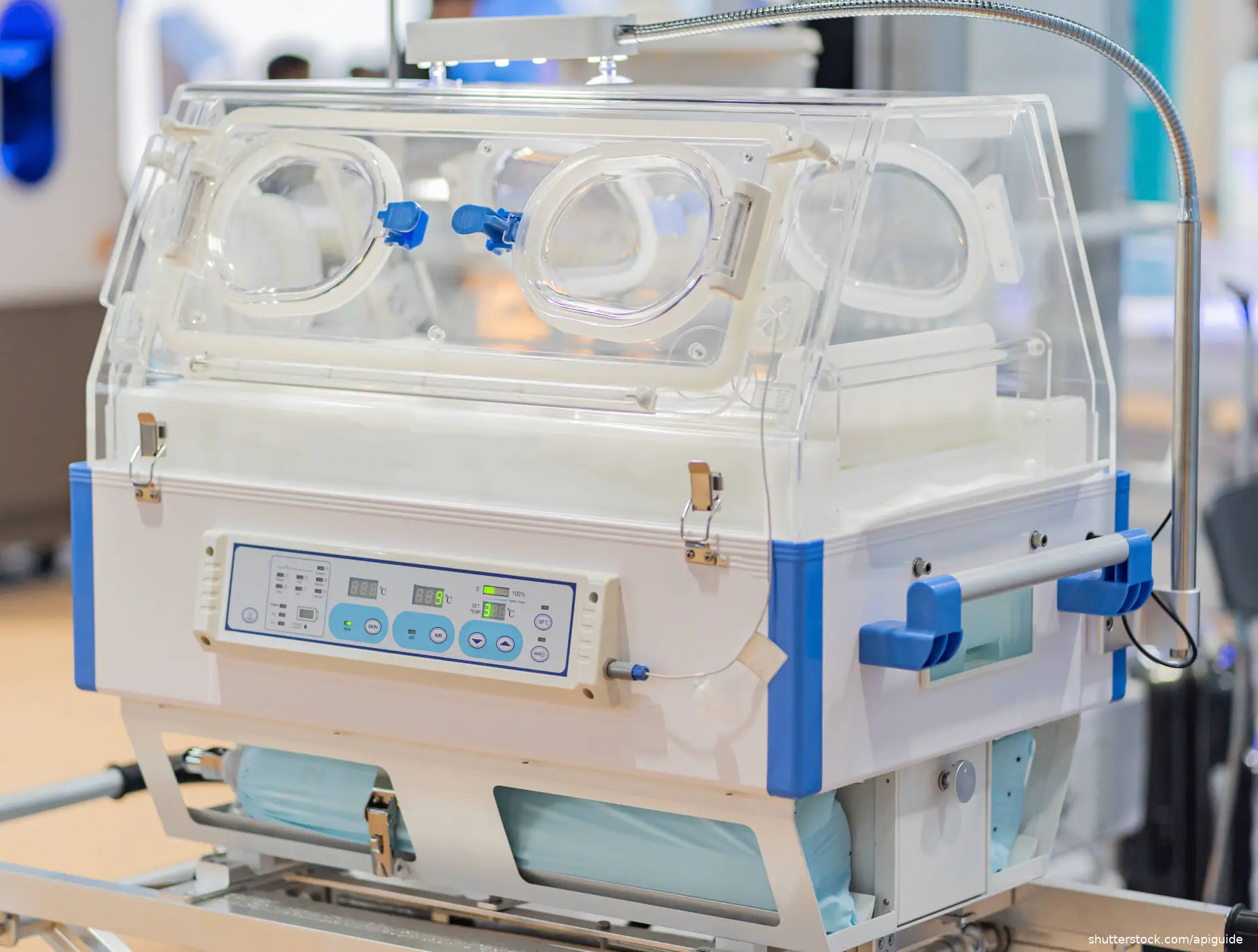
Two clusters of cutaneous aspergillosis among extremely preterm neonates in level IV neonatal intensive care units (NICUs) in Michigan and New York during 2023–2024 were described in a report published in CDC’s Morbidity and Mortality Weekly Report.
Cutaneous aspergillosis is a rare, life-threatening infection caused by Aspergillus species, which are ubiquitous environmental molds, the report noted. Extremely preterm neonates, born before 28 weeks’ gestation, are at increased risk because of immature immune defenses, underdeveloped skin barriers, and frequent exposure to invasive medical devices.
In Michigan, two neonates born at less than 24 weeks’ gestation developed skin lesions during the first week of life in October 2023, and cultures grew Aspergillus fumigatus. Both received amphotericin B. One infant died during the second week of life; the death was attributed to septic shock from aspergillosis, Pseudomonas species infection, and extreme prematurity. In New York, three neonates born at less than 24 weeks’ or 24 to 25 weeks’ gestation developed lesions during July–September 2024. One isolate was confirmed as A. fumigatus and two as Aspergillus quadrilineatus, which whole-genome sequencing suggested were closely related. All three received antifungal treatment and survived.
No definitive environmental source was identified. In Michigan, one air sample collected near a corridor used for linen transport grew A. fumigatus and environmental testing was not conducted in New York. Both facilities implemented mitigation measures, including revised linen handling, air-handling changes, and enhanced skin assessments. As of September 1, 2026, no additional cases had been identified in either unit.
The authors noted that multiple measures were implemented simultaneously, preventing evaluation of individual interventions, and that requiring a positive skin-lesion culture might have led to undercounting. According to the report, clinicians and infection preventionists should consider cutaneous aspergillosis when evaluating new suspicious skin lesions in extremely preterm neonates, and mitigation should not be delayed while awaiting identification of a definitive environmental source.
Source: Naraharisetti R, Baker D, McFadden J, et al. Cutaneous aspergillosis among extremely preterm neonates in neonatal intensive care units — Michigan and New York, 2023–2024. MMWR Morb Mortal Wkly Rep. 2026;75(43):640-643. doi:10.15585/mmwr.mm7543a2

Advertisement
Today's Joke
Cartoon Slide Show


Quiz

Medical Trivia 11/24/2026
1 questions · ≈ 1 min
to compete in the ranking.
×