Diabetes Technology Brings Benefits and Burdens
NewsJuly 22, 2026 at 13:39
Updated at August 10, 2026 at 14:22
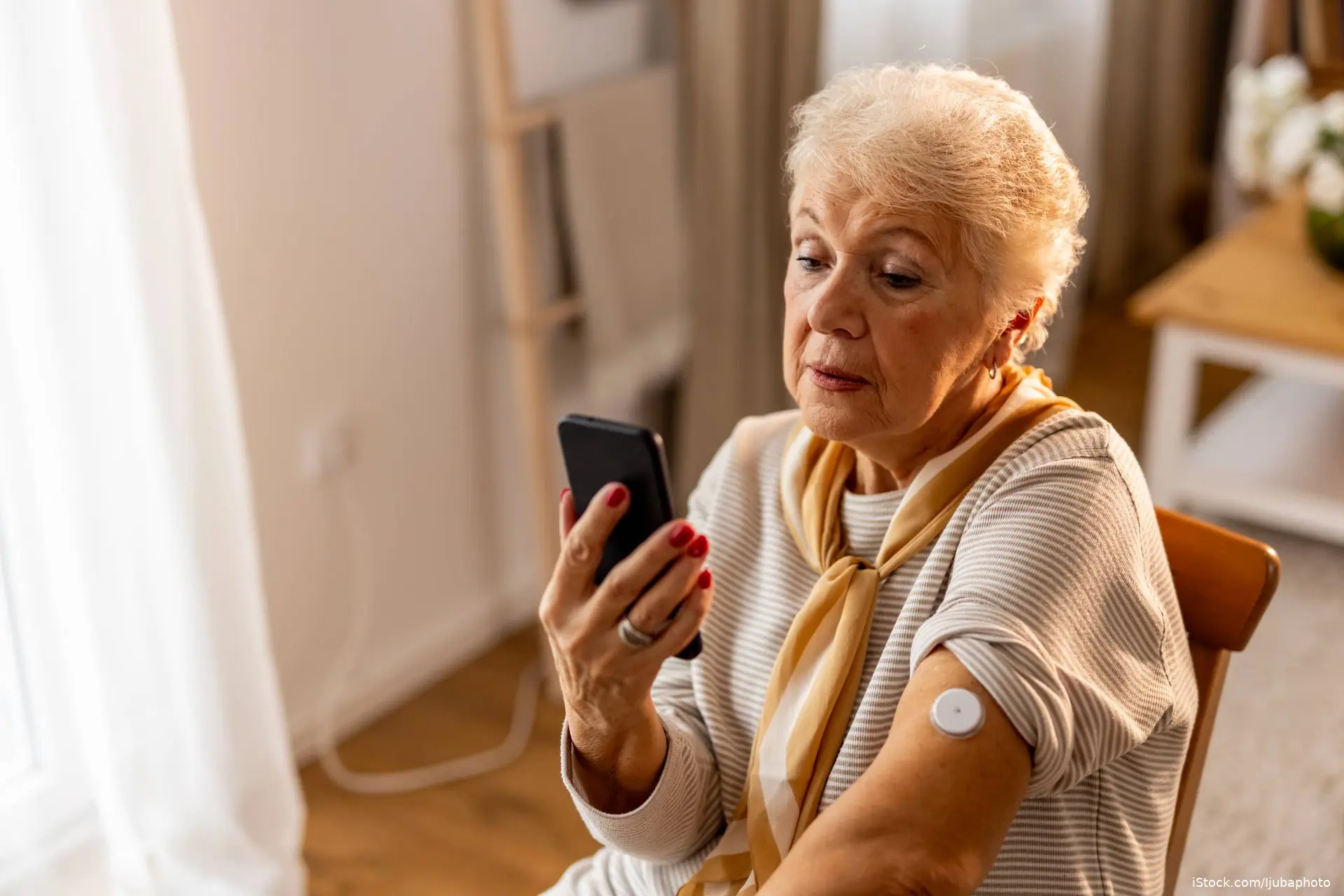
A qualitative study published in JAMA Network Open found that adults with type 1 diabetes described diabetes technology as offering meaningful benefits while also creating psychosocial, practical, and structural burdens that extend beyond glycemic management.
Researchers analyzed free-text survey responses collected from August 1, 2024, through February 28, 2025, among adults with type 1 diabetes receiving care in the UCLA Health system. Of 5,650 people invited, 945 eligible patients responded to the survey and 535 provided free-text responses included in the qualitative analysis. Participants had a mean age of 48 years, and their median diabetes duration was 25 years. Overall, 508 participants (95.0%) used continuous glucose monitors and 369 (69.0%) used insulin pumps.
The thematic analysis identified 4 major areas: psychosocial and emotional effects, daily functioning and lifestyle, environmental effects, and device performance and user experience. Participants reported benefits such as greater security from real-time glucose information and increased confidence during sleep or exercise. Others described anxiety from continuous data, financial stress, disruptive alarms, device visibility, wearability problems, and interruptions at work or during daily activities.
Less-explored concerns included nonrecyclable device waste, the need to carry backup supplies while traveling, inconsistent airport screening procedures, difficulty obtaining replacements after device failures, insurance restrictions on backup supplies, and concerns about privacy, hacking, and smartphone-dependent systems.
The authors said patient-centered device design, streamlined system processes, and transparent cybersecurity protections may improve the acceptability of advanced diabetes technologies. They noted that the voluntary, single-center survey may be subject to response bias and that the sample—largely White, highly educated, and experienced with technology—may limit the findings’ generalizability.
Source: Everett EM, Shaw E, Escobar Barrios B, Moin T, Wisk LE. Contemporary diabetes technology and the patient experience. JAMA Netw Open. 2026;9(7):e2624260. doi:10.1001/jamanetworkopen.2026.24260
Advertisement
Today's Joke
Cartoon Slide Show

Quiz

Medical Trivia 9/9/2026
1 questions · ≈ 1 min
to compete in the ranking.
×
Loading