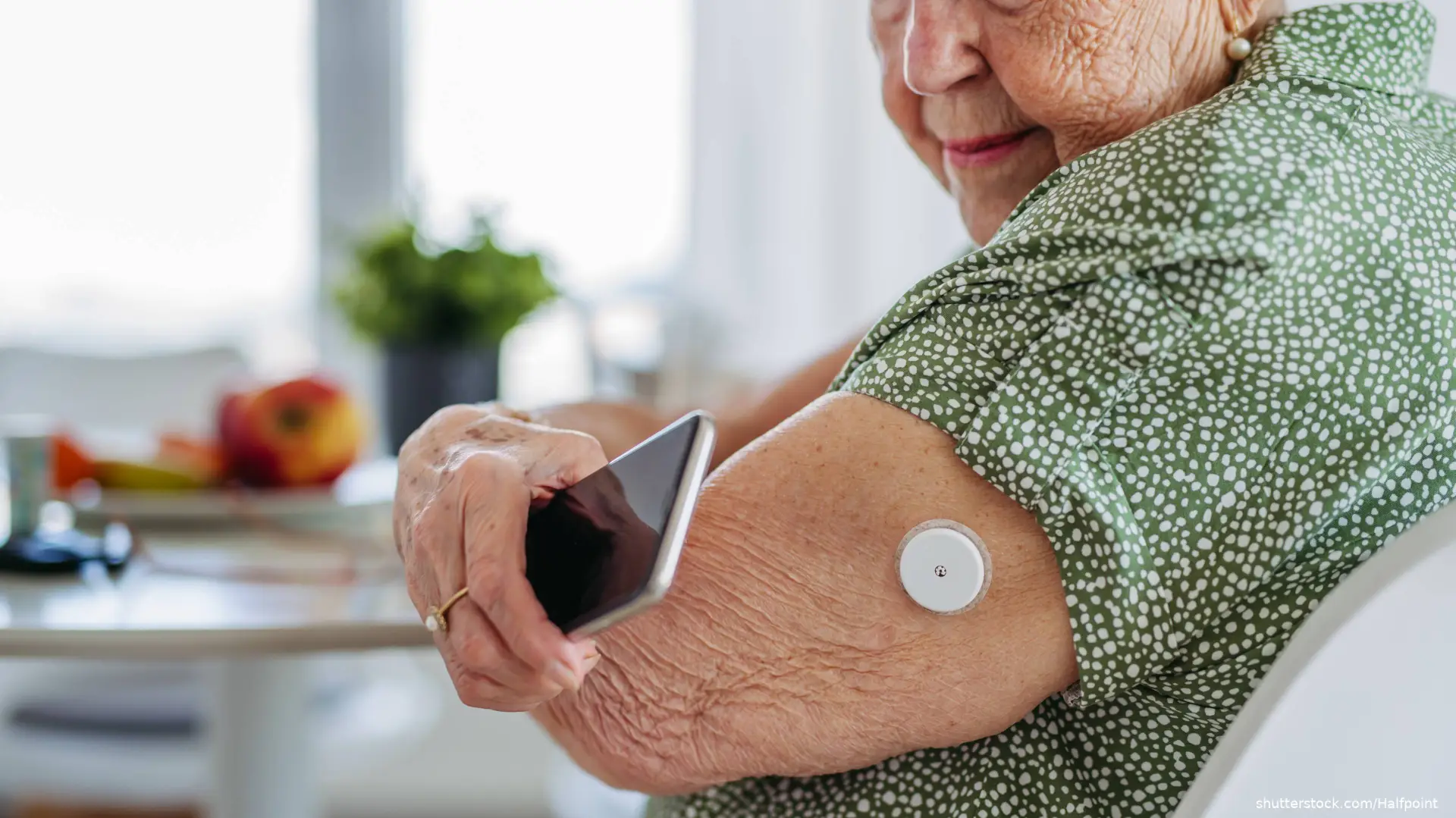
Enabling high glucose alerts on continuous glucose monitoring (CGM) was associated with more time in range and lower average glucose in a retrospective study published in JAMA Network Open. Low glucose alerts showed a different pattern.
Investigators analyzed Dexcom G6 CGM reports from 2,387 people in a large US health system, including 844 with type 1 diabetes and 1,521 with type 2 diabetes. Mean age was 42.7 years, and 51.4% were women. They compared glycemic measures by alert use and threshold, adjusting for age, sex, and diabetes type.
With high glucose alerts enabled, mean time in range was 58.14%, versus 53.30% with alerts disabled; mean glucose was 172.70 versus 182.43 mg/dL. In adjusted analyses, enabling a high alert was associated with 3.83 percentage points more time in range (95% CI, 2.03-5.63) and average glucose 7.07 mg/dL lower (95% CI, 4.03-10.11 mg/dL lower). Lower high alert thresholds were also associated with more time in range.
Enabling a low glucose alert was associated with less time at 54 to 70 mg/dL. Time at 180 to 250 mg/dL was numerically higher with the alert enabled, but the adjusted association did not meet the study’s corrected significance threshold. With high alerts enabled, mean time at 54 to 70 mg/dL was 1.72%, versus 1.51% with alerts disabled; the association was evident in type 1 diabetes. The investigators did not assess behavior in response to alerts.
The observational design does not establish that alert settings caused the glycemic differences. The authors cited possible residual confounding or reverse causation and unavailable treatment information, including use of automated insulin delivery systems. They called for further evaluation of individualized alert settings.
Source: Zheng Y, Johnson SB, Iturrate E, et al. Continuous glucose monitoring alert settings and glycemic control in people with diabetes. JAMA Netw Open. 2026;9(9):e2635687. doi:10.1001/jamanetworkopen.2026.35687
Advertisement
Today's Joke
Cartoon Slide Show


Quiz

Medical Trivia 10/30/2026
1 questions · ≈ 1 min
to compete in the ranking.
×
Loading