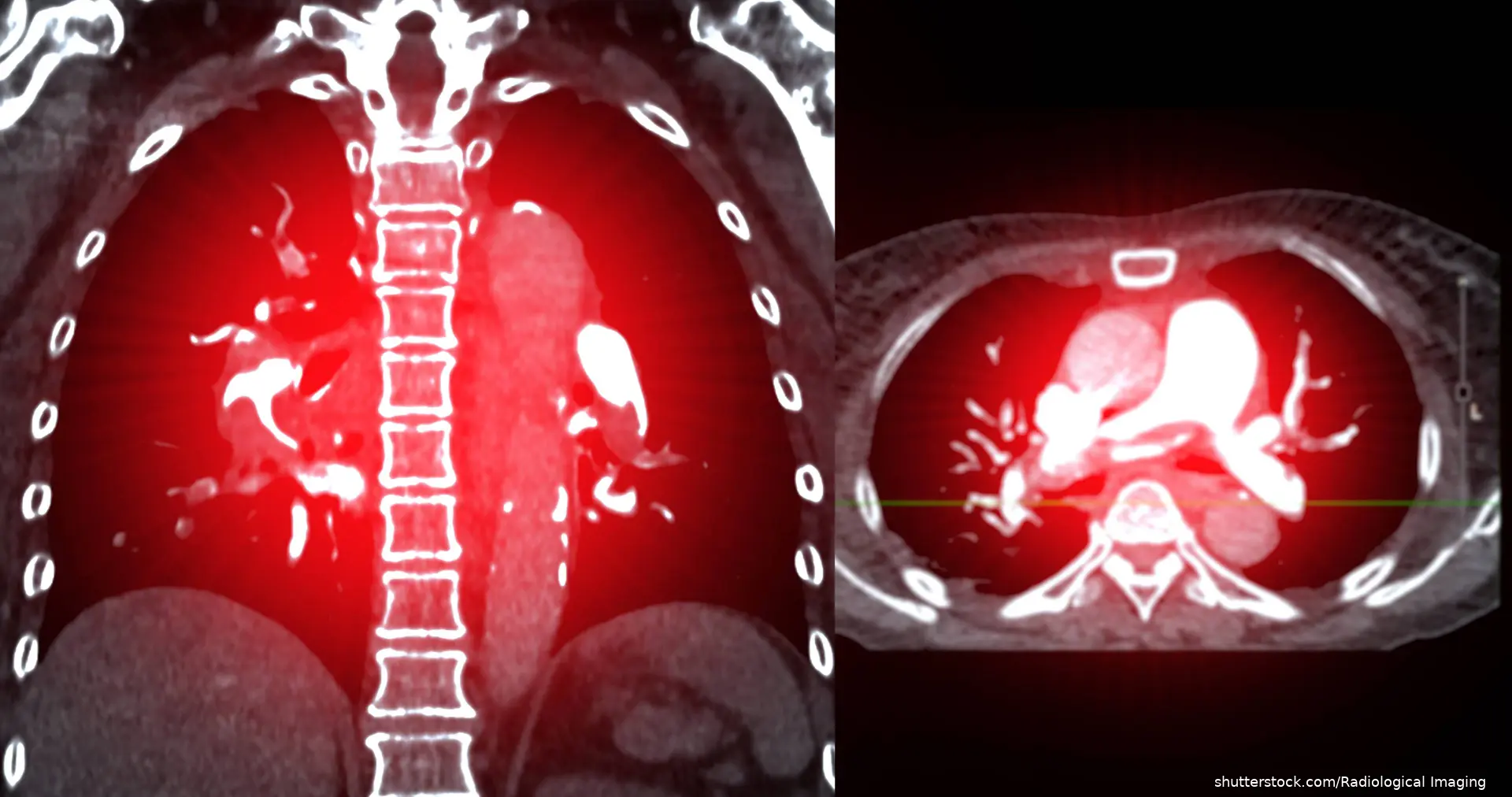
The FDA has approved an update to the US prescribing information for Winrevair (sotatercept-csrk) that adds efficacy and safety data from the phase 3 HYPERION trial in adults recently diagnosed with pulmonary arterial hypertension (PAH), according to a Merck news release.
HYPERION was a global, double-blind, placebo-controlled trial involving 320 adults with World Health Organization (WHO) functional class II or III PAH diagnosed within 12 months of screening. Participants at intermediate to high risk of disease progression were randomly assigned to receive subcutaneous Winrevair at a target dose of 0.7 mg/kg or placebo every 3 weeks, each added to background PAH therapy.
Winrevair reduced the risk of death or a first confirmed morbidity event by 76% compared with placebo (hazard ratio, 0.24; 95% CI, 0.14-0.41; P<0.0001), according to Merck. A first clinical worsening event occurred in 10.6% of patients receiving Winrevair and 36.9% receiving placebo. The composite endpoint included all-cause death, an unplanned PAH-related hospitalization lasting at least 24 hours, atrial septostomy, lung transplantation, or a qualifying decline in 6-minute walk distance accompanied by other evidence of worsening PAH.
Participants had been diagnosed a mean of 7.2 months earlier; 72% were receiving double background therapy, 28% were receiving triple therapy, and 17% were receiving prostacyclin infusion therapy. HYPERION was stopped early after positive interim results from the separate ZENITH trial and a review of the overall Winrevair clinical program.
The most common adverse reactions with Winrevair were epistaxis (31.9% vs 6.9%), telangiectasia (26.3% vs 11.3%), and increased hemoglobin (11.3% vs 1.3%). The updated label includes warnings regarding serious hypersensitivity reactions, erythrocytosis, thrombocytopenia, and bleeding. Merck reported that adverse reactions were generally consistent with those observed in the STELLAR trial.
Source: Merck. US FDA approves update to the label for WINREVAIR (sotatercept-csrk) to include data from the phase 3 HYPERION trial evaluating adults recently diagnosed with pulmonary arterial hypertension. News release. Merck; September 22, 2026. Accessed September 23, 2026.
Read also


Peter is a physician with experience in clinical research and evidence-based medical content, specializing in translating complex clinical research and emerging medical evidence into accurate, accessible, and clinically relevant information for HCPs.
Advertisement
Today's Joke
Cartoon Slide Show


Quiz

Medical Trivia 9/9/2026
1 questions · ≈ 1 min · 12 players
to compete in the ranking.
×
Loading