Pulmonary Embolism Diagnostic Yield Varies With Clinician Testing Frequency
NewsSeptember 23, 2026 at 13:30
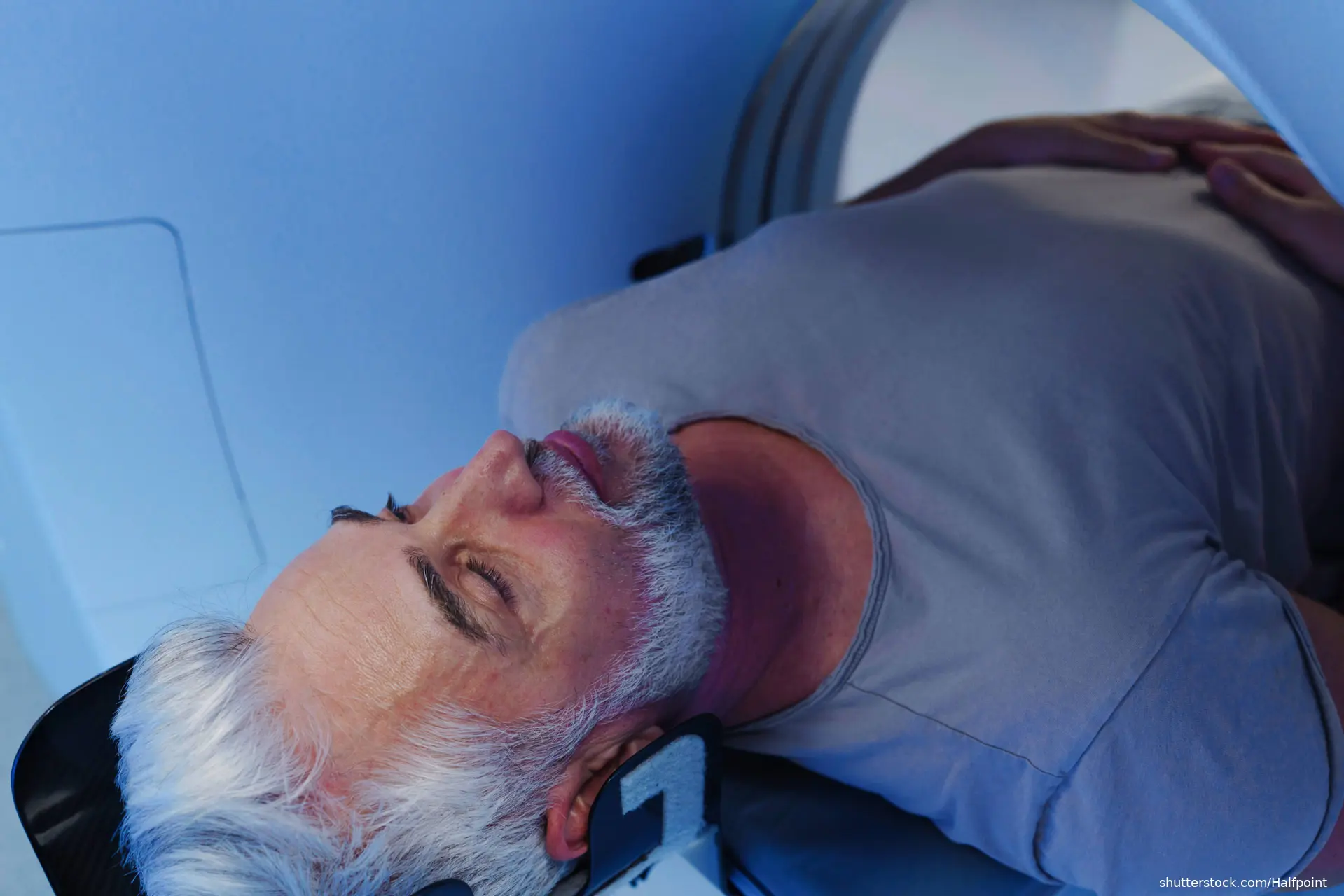
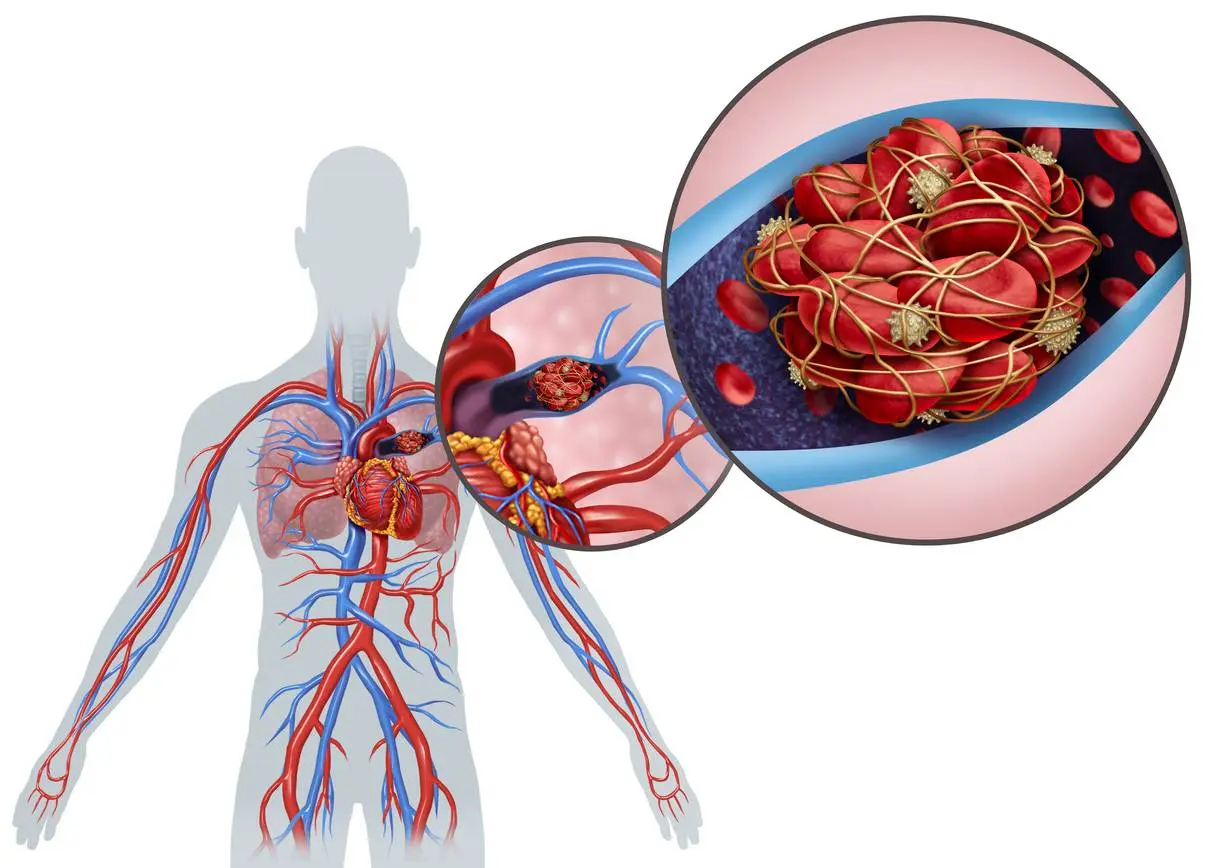
A large retrospective cohort study found that emergency department clinicians' initial decision to test for pulmonary embolism was associated with computed tomographic pulmonary angiography yield, with lower yield among clinicians who tested more often. The findings were published in JAMA Network Open.
Investigators analyzed 4,180,159 visits managed by 747 clinicians at 29 Michigan emergency departments from January 2023 through November 2025. They evaluated 3 decision moments: whether to test using a D-dimer assay or computed tomographic pulmonary angiography (CTPA), whether to proceed directly to CTPA, and whether to obtain CTPA after a negative age-adjusted D-dimer result. Diagnostic yield was the proportion of CTPAs positive for acute pulmonary embolism (PE).
For the initial testing decision, pooled CTPA yield was 9.6% (95% CI, 9.0%-10.1%) among clinicians in the lowest-testing quintile and 6.4% (95% CI, 5.5%-7.3%) among those in the highest-testing quintile, a difference of −3.2 percentage points (95% CI, −4.2 to −2.1 percentage points). Choice of initial testing modality was also associated with yield, whereas obtaining CTPA after a negative age-adjusted D-dimer result was not.
Among 13,530 acute PE cases, investigators identified 189 potential missed opportunities to diagnose PE (1.4%), defined as a new diagnosis during an emergency department revisit within 10 days after discharge. Rates declined from 6.6 per 100,000 visits in the lowest-testing quintile to 3.5 per 100,000 in the highest-testing quintile.
The authors noted that the registry lacked prospective measures of pretest probability and clinician reasoning and did not capture all downstream outcomes. Because the observational findings do not establish causation, they called for research focused on standardizing the initial testing decision while anchoring improvement efforts to meaningful clinical outcomes.
Source: Janke AT, Fung CM, Bombard MC, et al. Decision moments and pulmonary embolism diagnostic quality in the emergency department. JAMA Netw Open. 2026;9(9):e2635312. doi:10.1001/jamanetworkopen.2026.35312

Pete Halecky, RPhEditor
Peter is a practicing pharmacist and medical journalist, he brings firsthand knowledge of patient care, medication management, and the clinical management of patients.
Advertisement
Today's Joke
Cartoon Slide Show

Quiz
Medical Trivia 9/9/2026
1 questions · ≈ 1 min · 12 players
to compete in the ranking.
×
Loading