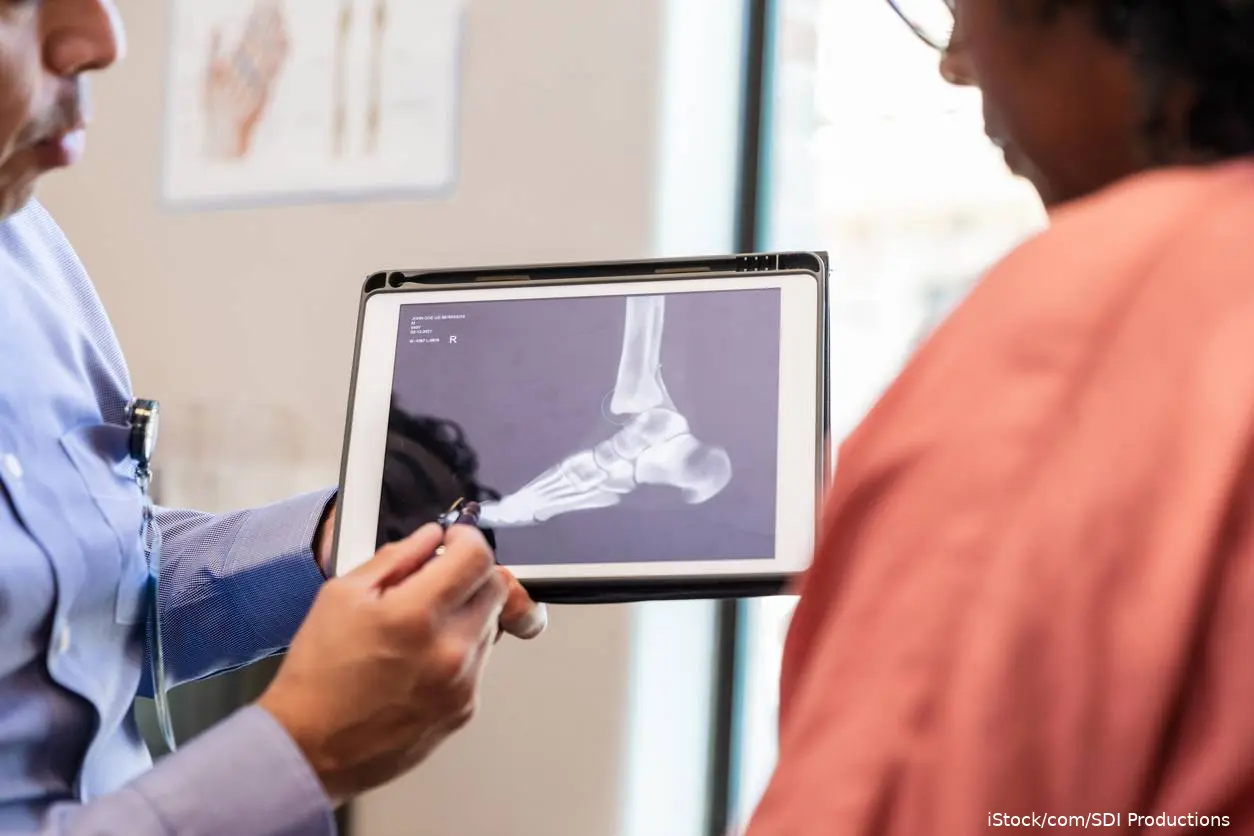
The FDA updated its safety communication for the Hintermann Series H3 Total Ankle Replacement System (H3 TAR System) after reviewing postmarket and registry data showing an elevated long-term risk of device failure. The agency now recommends considering other available treatment options where possible.
The H3 TAR System, manufactured by DT MedTech LLC (also known as Hintegra by the previous manufacturer NewDeal/Integra Life), is a non-cemented total ankle prosthesis used to replace painful arthritic ankle joints caused by osteoarthritis, post-traumatic osteoarthritis, or inflammatory disease. The FDA said the safety communication is based on higher-than-expected revision surgery risk and polyethylene fracture. The agency said its June 3 update reflects additional information on the system and a new recommendation to consider other available treatment options where possible.
Patients who have already received the H3 TAR System should be closely monitored for device problems such as loosening, fractures of the plastic implant component, and polyethylene wear-related complications of the device. For suspected device problems, the FDA recommends X-ray or CT scan to further evaluate the device integrity, and advises that changes can be subtle to detect with either.
The FDA said it is continuing to review mandated postmarket studies, published literature, real-world registry data, adverse event reports, and information from the manufacturer. The agency also noted that the Australian Therapeutic Goods Administration cited increased revision risk in registry data and no longer allows sale or distribution of the H3 TAR System in Australia as of May 5, 2026.
Ankle arthroplasty patients may present with pain, instability, or revision questions years after implantation. The FDA recommends careful documentation of implant type and timely referral for symptomatic patients and following health system reporting procedures when applicable and encourages MedWatch reporting for device problems.
Source(s): FDA Update
Advertisement
Today's Joke
Cartoon Slide Show

Quiz
Medical Trivia 9/9/2026
1 questions · ≈ 1 min
to compete in the ranking.
×
Loading