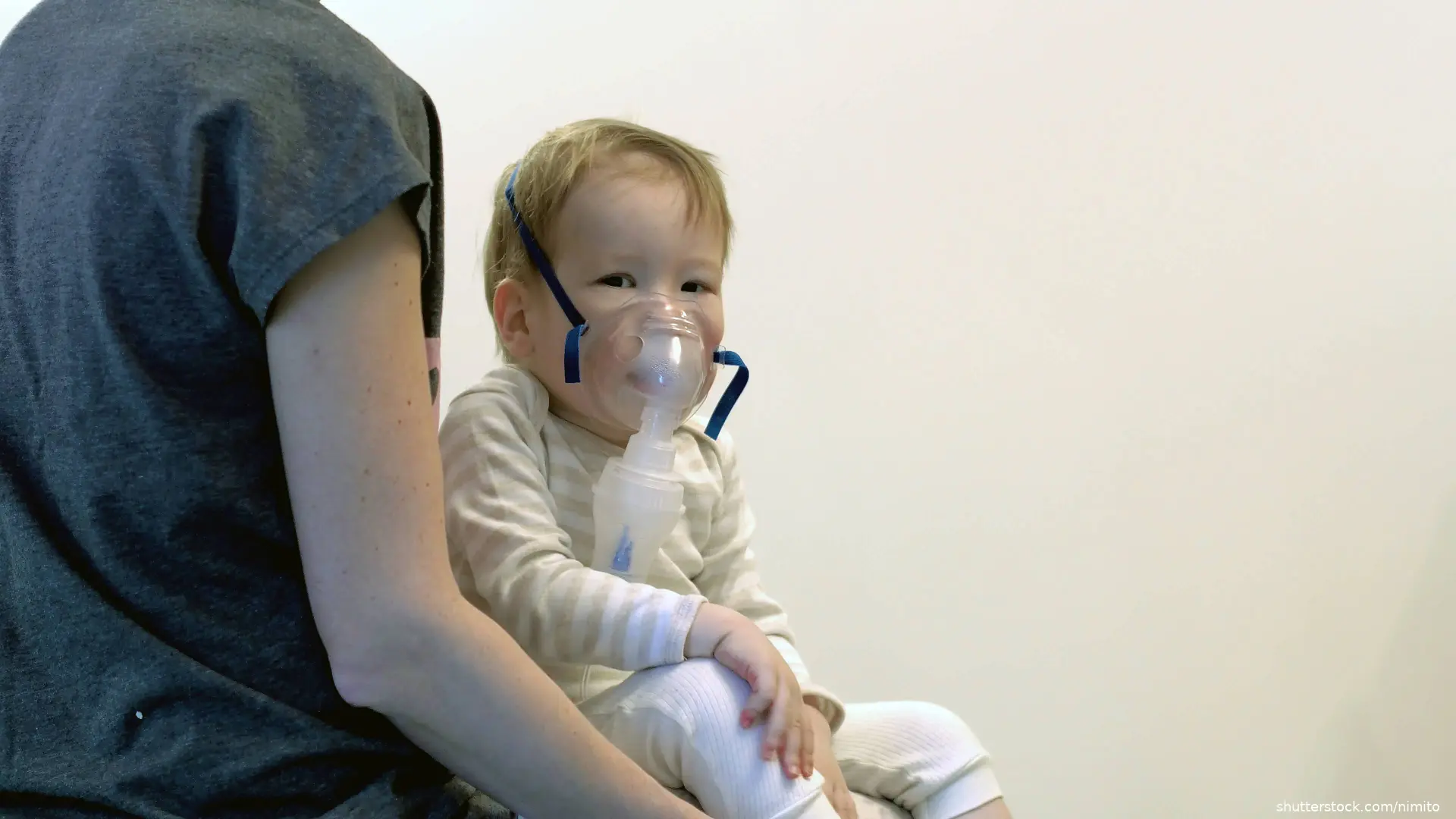
Nirsevimab (Beyfortus, Sanofi) was associated with fewer respiratory syncytial virus (RSV)–related emergency department (ED) visits, hospitalizations, and intensive care unit (ICU) admissions among infants, according to a Canadian study published in JAMA Network Open. The long-acting monoclonal antibody is administered once per RSV season.
The test-negative case-control study included 1,942 encounters involving symptomatic infants younger than 12 months at seven tertiary care pediatric hospitals in Ontario and Quebec between October 27, 2024, and March 1, 2025. Median age was 3 months. Infants were considered immunized if they received nirsevimab at least 7 days before RSV testing. Infants whose mothers received an RSV vaccine and those given palivizumab (Synagis, Sobi) were excluded.
The primary outcome was laboratory-confirmed RSV infection, with infants classified by the highest level of care required within 14 days of testing. Investigators identified 683 RSV-positive cases and 1,259 RSV-negative controls. Nirsevimab receipt was documented in 7.0% of cases and 30.3% of controls. Analyses adjusted for age, sex, testing week, prematurity, hospital, neighborhood income, and comorbidities.
Overall adjusted effectiveness against laboratory-confirmed RSV was 78% (95% CI, 68%-84%). Estimates were 77% against ED visits, 79% against hospitalizations (95% CI, 66%-87%), and 97% against ICU admissions (95% CI, 85%-100%). Sensitivity analyses excluding infants with influenza or SARS-CoV-2, or those with missing information on maternal RSV vaccination or palivizumab receipt, produced similar results. Estimated effectiveness was also high among premature infants and those with comorbidities, although these subgroup estimates had wider confidence intervals.
The investigators noted that testing and admission practices varied and that caregiver reports could misclassify nirsevimab exposure. Findings from tertiary care hospitals may not generalize to other settings. The median interval from immunization to testing was 41 days, limiting assessment of protection over longer periods. The authors concluded that universal nirsevimab programs could reduce severe RSV disease requiring hospital-based care.
Source: Buchan SA, Xie J, Bhatt M, et al. Respiratory syncytial virus–related hospitalizations among infants receiving nirsevimab. JAMA Netw Open. 2026;9(9):e2633621. doi:10.1001/jamanetworkopen.2026.33621
Advertisement
Today's Joke
Cartoon Slide Show

Quiz
Medical Trivia 9/9/2026
1 questions · ≈ 1 min
to compete in the ranking.
×
Loading