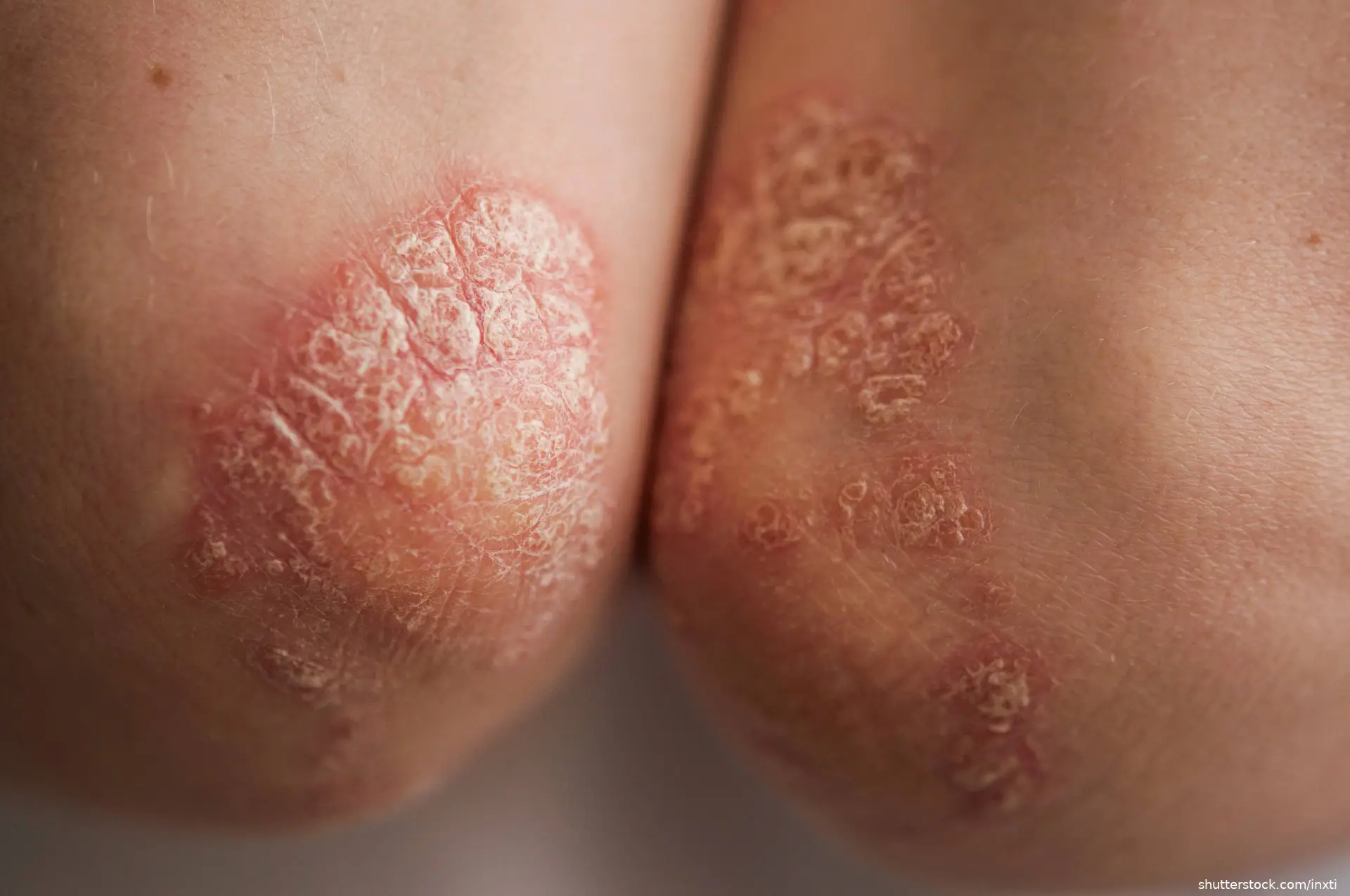
Higher baseline low-density lipoprotein cholesterol (LDL) was associated with a lower likelihood of achieving at least 75% improvement in the Psoriasis Area and Severity Index (PASI75) at week 16 among patients with moderate-to-severe plaque psoriasis treated with secukinumab, according to a retrospective cohort study published in Dermatologic Therapy.
Investigators at Ruijin Hospital, Shanghai Jiao Tong University School of Medicine, in China, examined whether baseline LDL was associated with clinical response to secukinumab, a monoclonal antibody targeting interleukin-17A. The authors noted that this relationship had not been well characterized in real-world patients.
The single-center study included 325 patients treated between 2019 and 2021 who received secukinumab 150mg (n = 113) or 300mg (n = 212) for at least 16 weeks. Dose was selected in routine practice rather than by randomization. Each 1 mmol/L increase in baseline LDL was associated with lower odds of week-16 PASI75 (odds ratio [OR], 0.696; 95% CI, 0.497-0.976). A multiple-imputation sensitivity analysis yielded an adjusted OR of 0.718 (P = .049). PASI75 was achieved by 85.2% of patients with low LDL vs 66.7% of those with high LDL.
In exploratory dose-stratified analyses, the association was observed primarily in the 300mg group (85.3% vs 57.7% for low vs high LDL); no significant difference by LDL category was observed with 150mg. After propensity score weighting, week-16 PASI75 rates were similar between doses (76.2% vs 76.7%). Selected inflammatory and metabolic biomarkers, including C-reactive protein and triglycerides, decreased during 16 weeks of treatment, but LDL and high-density lipoprotein cholesterol did not improve significantly.
The authors cited limitations including the retrospective single-center design, potential residual confounding, missing baseline LDL in 67 patients, a small high-LDL subgroup (n = 36), and 16-week follow-up. They described LDL as a hypothesis-generating candidate factor and said prospective studies are needed to determine whether it predicts biologic response.
Source: Chen L, Yang Q, Wang H, et al. Association between baseline LDL cholesterol and week-16 secukinumab response in moderate-to-severe plaque psoriasis: a retrospective cohort study. Dermatol Ther. 2026;2026(1):5218624. doi:10.1155/dth/5218624
Advertisement
Today's Joke
Cartoon Slide Show


Quiz

Medical Trivia 10/30/2026
1 questions · ≈ 1 min
to compete in the ranking.
×
Loading