Link Between Prenatal Influenza and Childhood Neuropsychiatric Disorders Attenuated and Not Statistically Significant
News
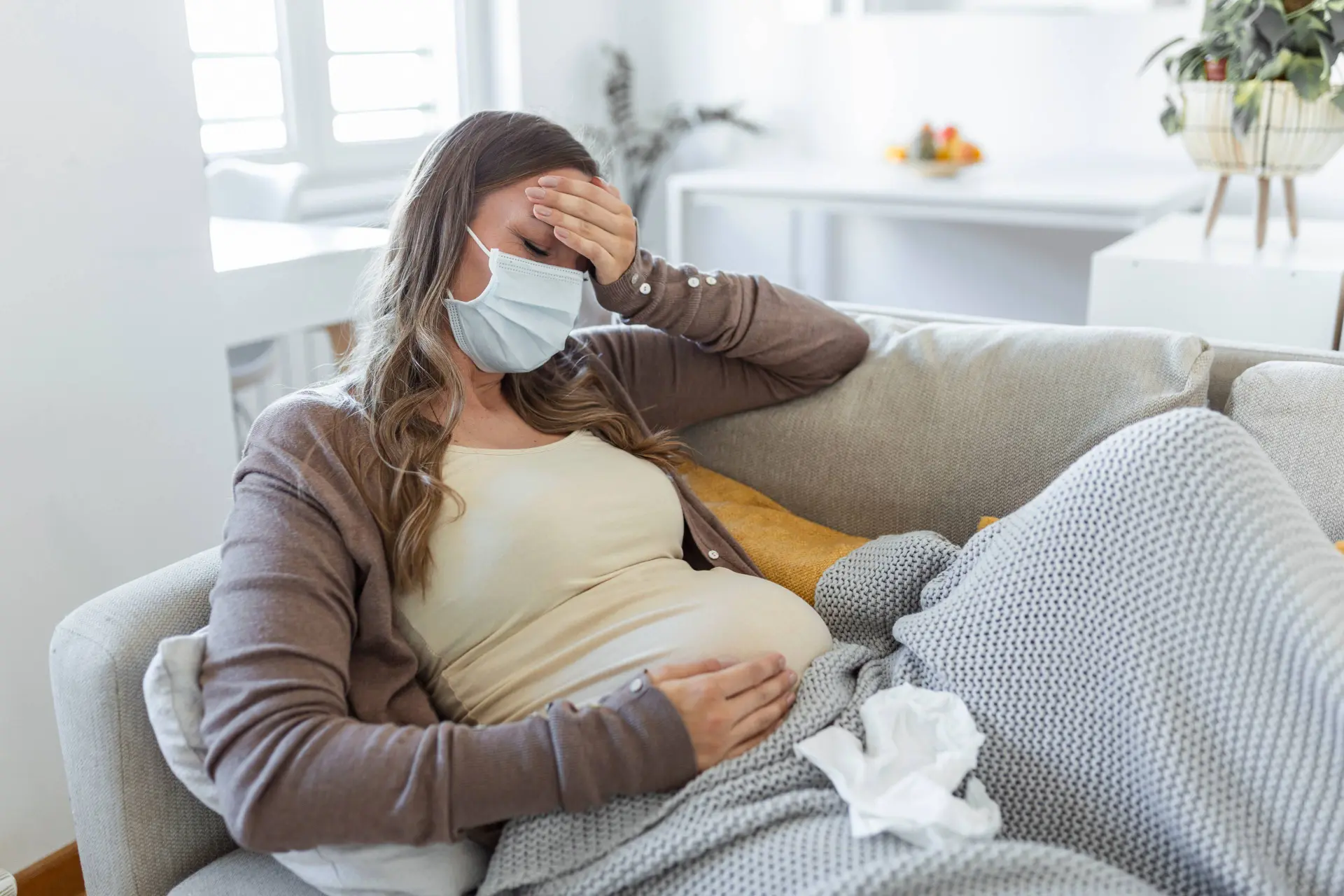
A modest association between maternal influenza infection during pregnancy and neuropsychiatric disorders in offspring was attenuated and not statistically significant in sibling comparisons, according to a binational cohort study published in JAMA Network Open.
Evidence on this association has been inconsistent and limited by methodologic concerns, the investigators noted. The study used birth cohorts from South Korea (discovery cohort) and Japan (replication cohort), including children born from 2010 to 2017 and followed up through 2023.
The discovery cohort included 2,564,435 mother-child pairs, of whom 35,973 (1.4%) were exposed to maternal influenza during pregnancy, and the replication cohort included 181,681 pairs, of whom 11,198 (6.2%) were exposed. The primary outcome was a first diagnosis of any neuropsychiatric disorder, including severe neuropsychiatric disorders, obsessive-compulsive disorder (OCD), attention-deficit/hyperactivity disorder (ADHD), autism spectrum disorder, and intellectual disability. In weighted population analyses, maternal influenza was associated with an increased risk of any neuropsychiatric disorder in both the discovery cohort (adjusted hazard ratio [AHR], 1.09; 95% CI, 1.04-1.14) and the replication cohort (AHR, 1.10; 95% CI, 1.02-1.19).
In the South Korean cohort, risks were elevated for OCD (AHR, 1.37; 95% CI, 1.14-1.64) and ADHD (AHR, 1.13; 95% CI, 1.07-1.19), and the ADHD association was also observed in the Japanese cohort (AHR, 1.26; 95% CI, 1.11-1.43). However, in sibling-comparison analyses of 33,191 pairs in South Korea and 7842 pairs in Japan, the association with any neuropsychiatric disorder was not statistically significant (AHR, 0.98; 95% CI, 0.89-1.09 and AHR, 1.04; 95% CI, 0.88-1.22, respectively).
The investigators noted that the sibling analyses had limited statistical power, so the loss of significance should not be taken as definitive evidence of familial confounding. Other limitations included identification of influenza through diagnostic codes rather than laboratory confirmation and follow-up to about age 13 years. They concluded that the population-level association should be interpreted cautiously because familial factors may partly account for it.
Source: Kong J, Hong S, Jo H, et al. Maternal influenza infection during pregnancy and neuropsychiatric disorders in offspring. JAMA Netw Open. 2026;9(10):e2637902. doi:10.1001/jamanetworkopen.2026.37902

Advertisement
Today's Joke
Cartoon Slide Show


Quiz

Medical Trivia 10/30/2026
1 questions · ≈ 1 min
to compete in the ranking.
×
Loading