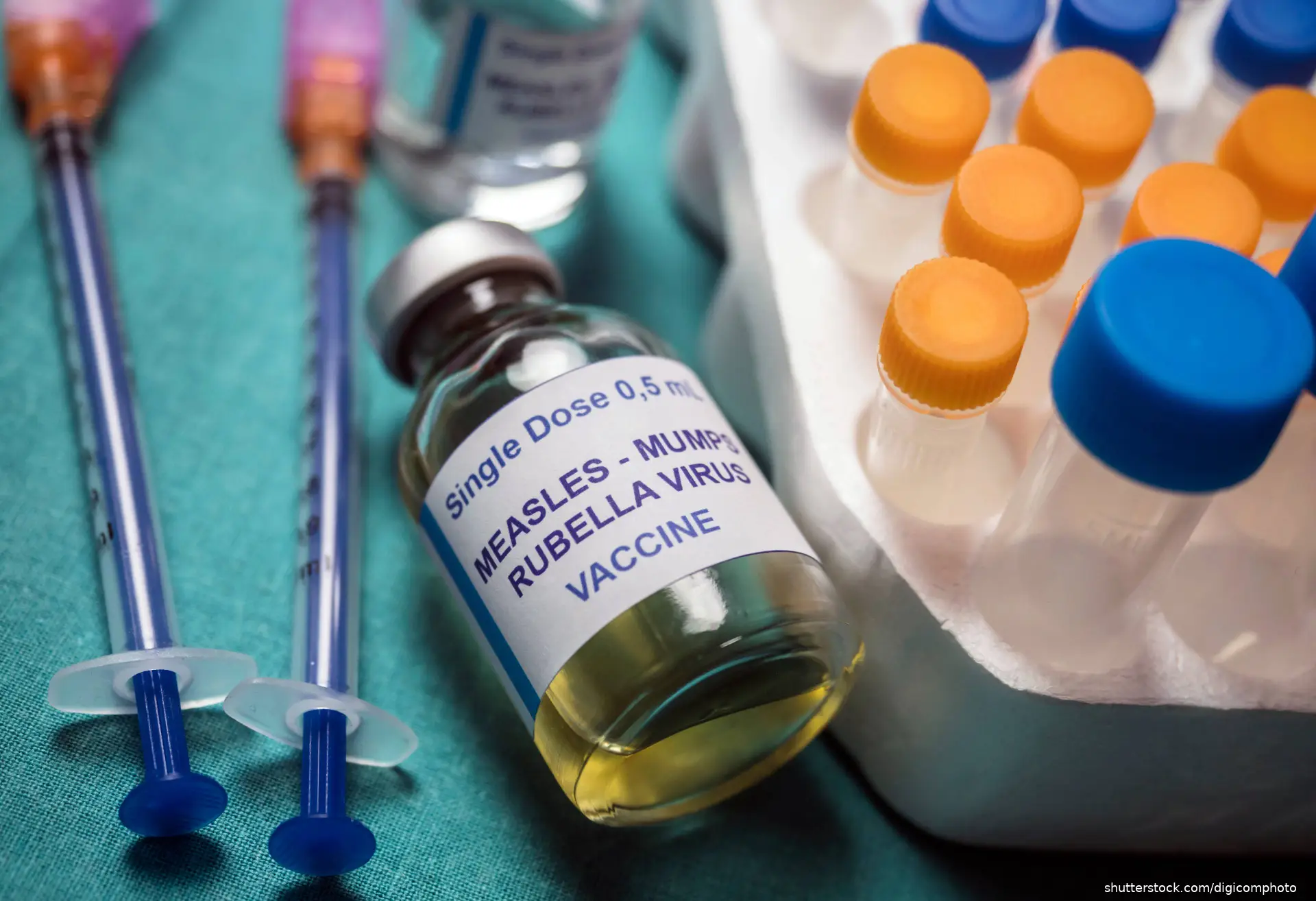
A total of 112 confirmed measles cases among pregnant women and 13 cases of congenital measles were reported to the CDC during multiple large US outbreaks from January 1, 2025, to September 28, 2026, according to a preliminary analysis by CDC investigators published in NEJM Evidence. Almost all of the women (98%) had not received measles-mumps-rubella (MMR) vaccination before pregnancy or had unknown vaccination status.
The investigators noted that the outbreaks included the first documented measles cases among pregnant women in the US since 2019. Cases were reported by 16 US jurisdictions, and 96% were identified as part of large outbreaks of 50 or more cases. One woman had 1 documented MMR dose and another had 2 doses before pregnancy; none had documentation of receiving immunoglobulin as postexposure prophylaxis.
Twenty-six women (23%) were hospitalized for non–labor-related causes, and 11 developed pneumonia. Among 37 women with reported pregnancy outcomes, 21 outcomes occurred within 14 days of maternal rash onset: 19 live births, 1 spontaneous abortion, and 1 stillbirth. Of those 19 live births, 8 were preterm, and 8 infants were admitted to the neonatal intensive care unit. Of 16 neonates tested by reverse transcription–polymerase chain reaction (RT-PCR), 13 were positive within 10 days of birth, meeting the investigators’ definition of congenital measles. Six RT-PCR–positive infants developed measles-related symptoms, including 1 with symptoms compatible with meningoencephalitis.
The investigators cautioned that the data are preliminary and that data collection is ongoing. Pregnancy outcomes were unknown for 56 women, and 19 were presumed to have ongoing pregnancies. They identified the extent of missing data as a limitation and called for linked mother–infant longitudinal surveillance.
The authors noted that MMR is a live vaccine that is not recommended during pregnancy, so protection relies on vaccination before pregnancy and high community MMR coverage. According to the report, the CDC recommends postexposure prophylaxis with intravenous immunoglobulin for exposed pregnant women without documented MMR vaccination or other evidence of immunity, and immunoglobulin is recommended at birth for neonates exposed to measles in utero.
Source: Lewis EL, Chang D, Wiley N, et al. Outcomes among pregnant women with measles and their infants in the United States — preliminary analysis, 2025–2026. NEJM Evid. Published online November 16, 2026. doi:10.1056/EVIDpha2600416
Advertisement
Today's Joke
Cartoon Slide Show


Quiz

Medical Trivia 11/24/2026
1 questions · ≈ 1 min
to compete in the ranking.
×