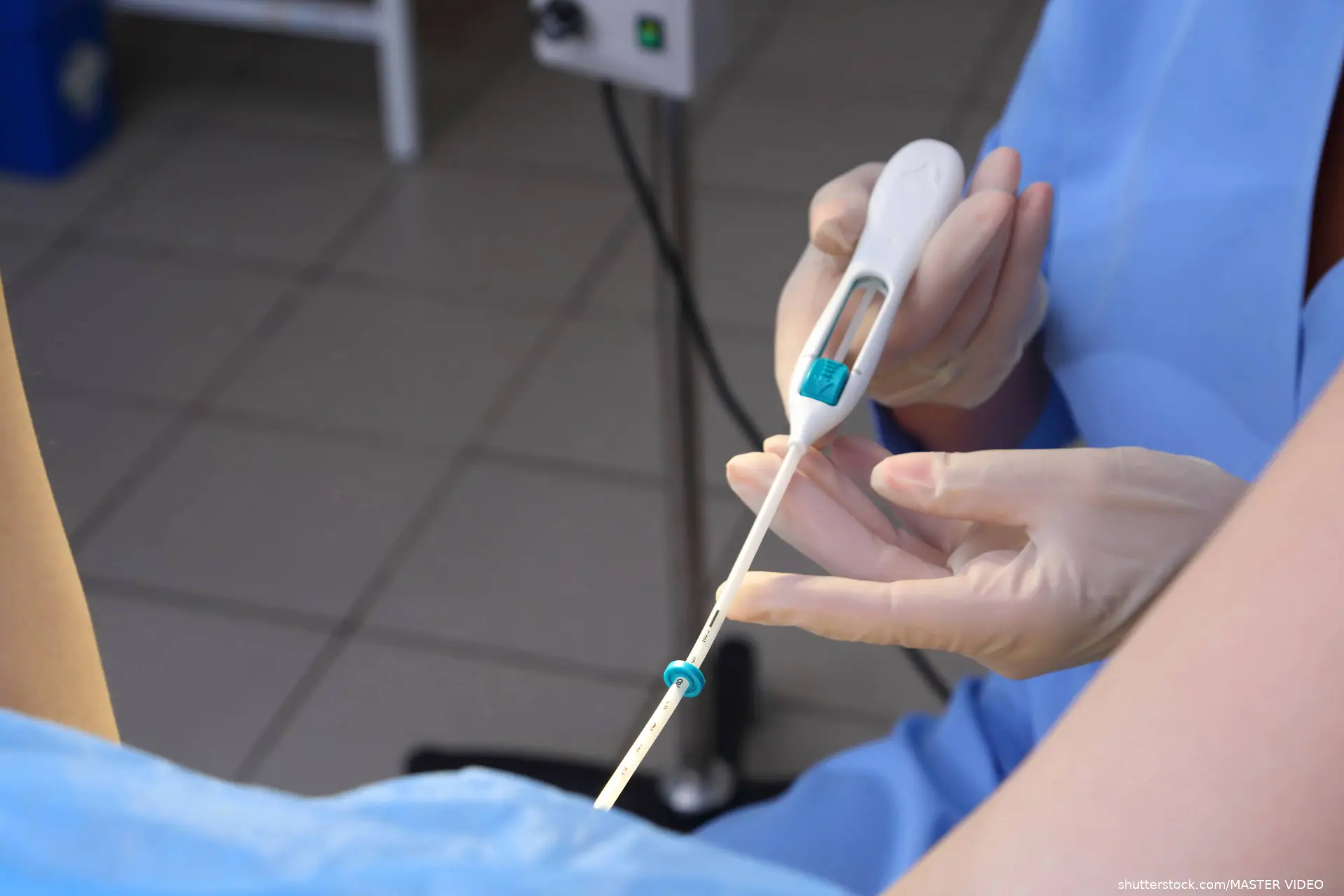
Intrauterine instillation of mepivacaine reduced pain during intrauterine device (IUD) placement among nulliparous individuals in a randomized clinical trial published in JAMA. Concern about placement pain is common and can affect IUD selection, the investigators noted.
The multicenter, double-blind, placebo-controlled trial enrolled 370 participants aged 18 to 31 years at 11 outpatient gynecology, maternal health, and youth clinics in Sweden from May 2021 through June 2024. Eligible participants selected IUDs with smaller-diameter placement tubes: levonorgestrel 19.5mg or 13.5mg, or a copper IUD. Participants were randomly assigned 1:1 to 10mL of mepivacaine 20mg/mL or sodium chloride 9mg/mL, instilled through a hydrosonography catheter 2 minutes before placement. Participants, clinicians, and outcome assessors were blinded.
The primary outcome was the clinician-adjusted difference in pain during placement, measured on a 100-mm visual analog scale. Mean pain scores were 43.8 mm with mepivacaine and 58.6 mm with placebo, for an unadjusted mean difference of 14.8 mm (95% CI, 10.0-19.6; P < 0.001). Adjustment for individual clinician produced a similar difference of 14.2 mm (95% CI, 9.7-18.6; P < 0.001).
Tolerable pain was reported by 172 of 175 participants (98.3%) in the mepivacaine group and 159 of 174 (91.4%) in the placebo group. The relative risk was 1.08 (95% CI, 1.02-1.13), with a number needed to treat of 15 (95% CI, 9-43).
The investigators concluded that intrauterine mepivacaine significantly reduced pain and improved tolerability compared with saline. The findings were derived from nulliparous participants aged 18 to 31 years undergoing placement of the specified smaller-diameter IUDs, defining the population and procedures represented by the trial.
Source: Elgemark K, Envall N, Kopp Kallner H. Intrauterine mepivacaine instillation vs placebo for pain during IUD placement: a randomized clinical trial. JAMA. Published online September 17, 2026. doi:10.1001/jama.2026.14217

Peter is a physician with experience in clinical research and evidence-based medical content, specializing in translating complex clinical research and emerging medical evidence into accurate, accessible, and clinically relevant information for HCPs.
Advertisement
Today's Joke
Cartoon Slide Show

Quiz
Medical Trivia 9/9/2026
1 questions · ≈ 1 min · 12 players
to compete in the ranking.
×
Loading