A prospective analysis published in Clinical Infectious Diseases found that an estimated 75% of untreated histologically confirmed anal high-grade squamous intraepithelial lesions (hHSIL) regressed within 5 years among men who have sex with men living with HIV. No anal cancers were diagnosed during follow-up.
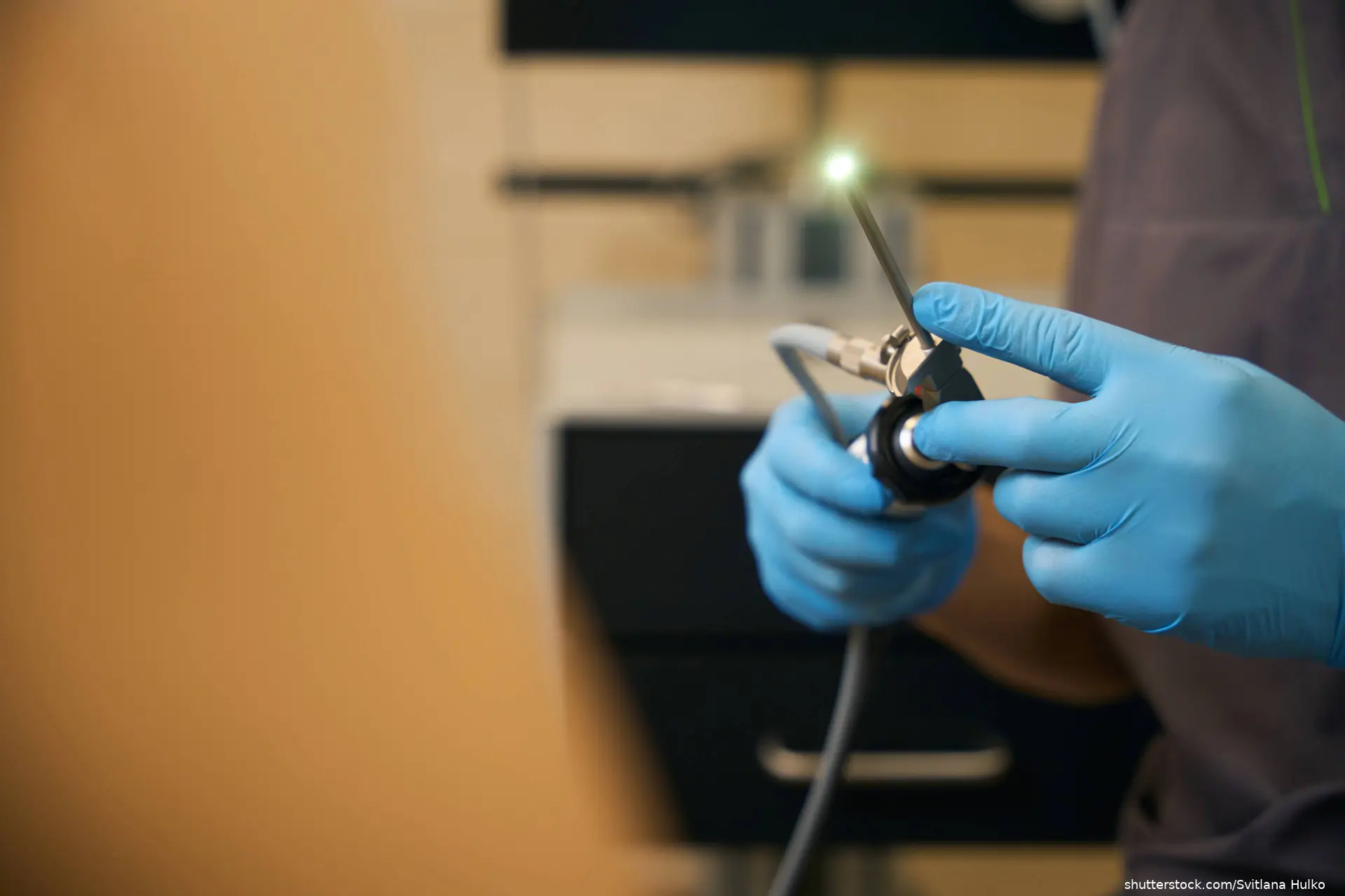
The ANRS-EP57-APACHES study recruited 513 participants aged 35 years or older from six French teaching hospitals. Participants underwent three annual visits with anal cytology, human papillomavirus (HPV) testing, and high-resolution anoscopy (HRA) with lesion-directed biopsies. Lesions detected during those visits were monitored every 6 months without protocol-directed treatment for as long as 72 months.
The analysis included 127 hHSIL from 61 participants, representing 243 lesion-years. Investigators observed regression in 66 lesions: 33 had biopsy-confirmed histology below hHSIL and 33 disappeared on HRA. Kaplan-Meier estimates placed regression at 21% by 1 year, 41% by 2 years, and 75% by 5 years. No anal cancers occurred during 300 person-years among the 61 participants.
Regression was less likely with concurrent high-grade anal cytology (adjusted hazard ratio [aHR], 0.41; 95% CI, 0.19-0.88), persistent HPV16 at 12 months (aHR, 0.46; 95% CI, 0.21-0.98), or positivity for both ASCL1 and ZNF582 methylation markers (aHR, 0.39; 95% CI, 0.18-0.82). Five-year regression estimates ranged from about 30% for marker-positive lesions with high-grade cytology to about 90% for marker-negative lesions without high-grade cytology. Yet at least one-third of lesions positive for both markers regressed, leaving room for further risk stratification.
The authors noted that individual genotyping for persistent high-risk HPV types beyond HPV16 was unavailable, HRA practices and high-grade lesion diagnosis varied across centers and time, some lesion regression was determined visually without histology, and the small sample size may have limited analysis of HIV-related factors. They concluded that methylation markers, HPV16 persistence, and high-grade cytology were associated with lesion persistence and may inform risk stratification and management protocols.
Source: Etienney I, Singh D, Ressiot E, et al. Evolution of untreated anal high-grade squamous intraepithelial lesions in high-risk men: a prospective 5-year clinical follow-up in the ANRS-EP57-APACHES study. Clin Infect Dis. 2026. doi:10.1093/cid/ciag477
Advertisement
Today's Joke
Cartoon Slide Show

Quiz
Medical Trivia 9/9/2026
1 questions · ≈ 1 min
to compete in the ranking.
×
Loading