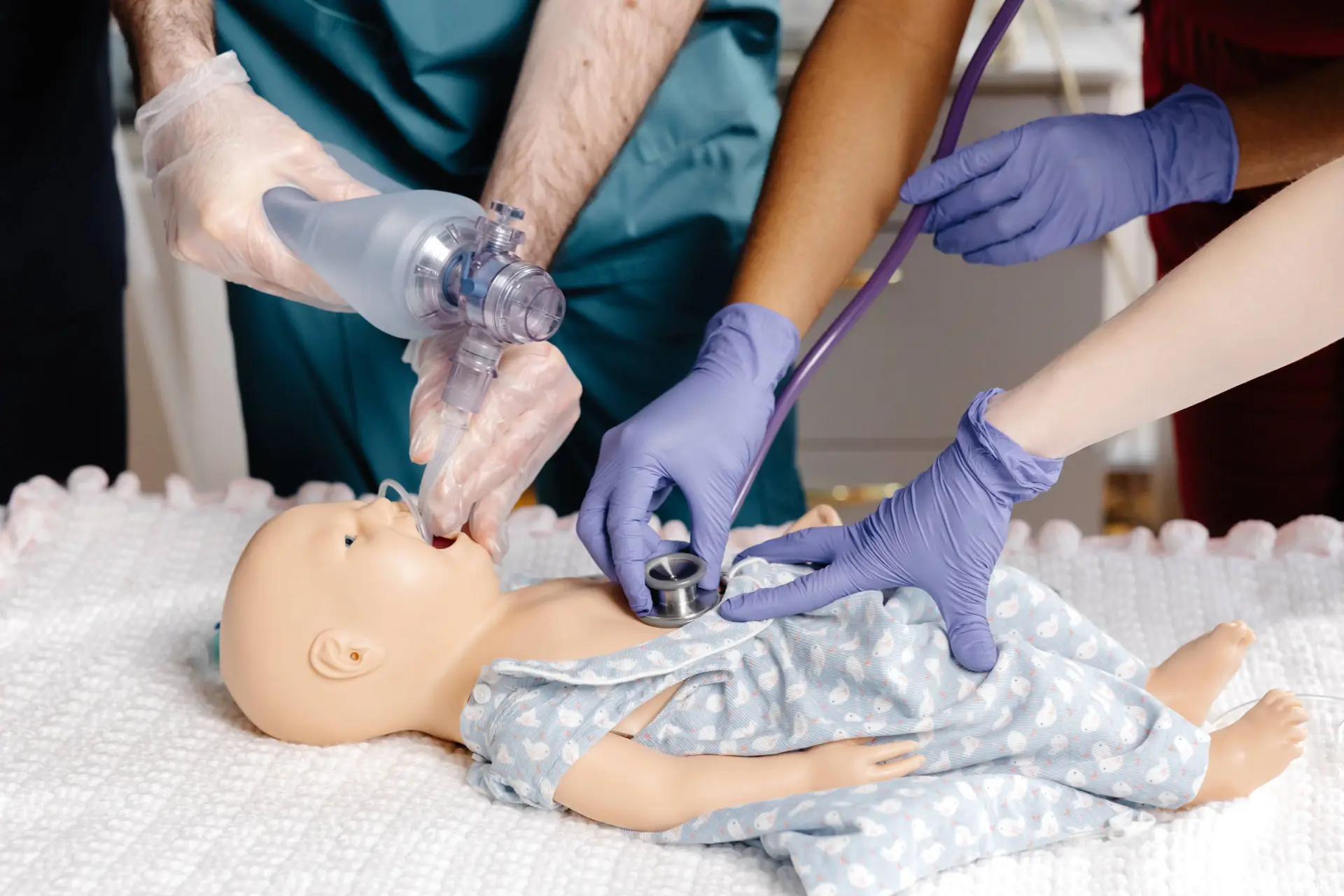
Among children with out-of-hospital cardiac arrest (OHCA) in Japan, bystander cardiopulmonary resuscitation (CPR) that included rescue breathing was associated with higher 30-day neurologically favorable survival than compression-only CPR, even as rescue-breathing CPR declined and compression-only CPR rose over 19 years, according to a cohort study published in JAMA Network Open.
The investigators noted that compression-only CPR has been widely promoted to encourage bystander intervention in OHCA, but long-term trends in pediatric bystander CPR and outcomes by CPR type remained unclear. They also noted that pediatric cardiac arrest most commonly results from respiratory failure or asphyxia and that international guidelines recommend CPR with rescue breathing for children.
The retrospective study used the nationwide All-Japan Utstein Registry to identify 26,785 patients aged 17 years or younger with OHCA from 2005 through 2023 whose bystander CPR type was known. Overall, 24.4% received rescue-breathing CPR, 34.0% received compression-only CPR, and 41.6% received no bystander CPR. The primary outcome, 30-day neurologically favorable survival, occurred in 16.0%, 9.5%, and 3.6% of these groups, respectively. After adjustment, rescue-breathing CPR was associated with significantly higher rates of neurologically favorable survival, 30-day survival, and prehospital return of spontaneous circulation than compression-only CPR, whereas no bystander CPR was associated with lower rates.
The adjusted probability of compression-only CPR rose from 14.6% in 2005 to 55.1% in 2023, while that of rescue-breathing CPR fell from 41.7% to 10.4%. The adjusted probability of no bystander CPR plateaued at approximately 35.0% after 2013. The association favoring rescue-breathing CPR was more pronounced in noncardiac than cardiac arrests and persisted across guideline eras and in both the prepandemic and postpandemic periods.
The authors concluded that the findings support the continued importance of rescue breathing in pediatric resuscitation. They noted that the registry lacked data on CPR quality; that missing comorbidity data and inconsistently recorded arrest location left potential for residual confounding; that CPR type was disproportionately unclassifiable after 2011, which may have introduced selection bias in the trend estimates; and that Japan’s context may limit generalizability.
Source: Obara T, Naito H, Nojima T, et al. Bystander CPR type and outcomes after pediatric out-of-hospital cardiac arrest. JAMA Netw Open. 2026;9(11):e2644991. doi:10.1001/jamanetworkopen.2026.44991
Advertisement
Today's Joke
Cartoon Slide Show


Quiz

Medical Trivia 11/24/2026
1 questions · ≈ 1 min
to compete in the ranking.
×